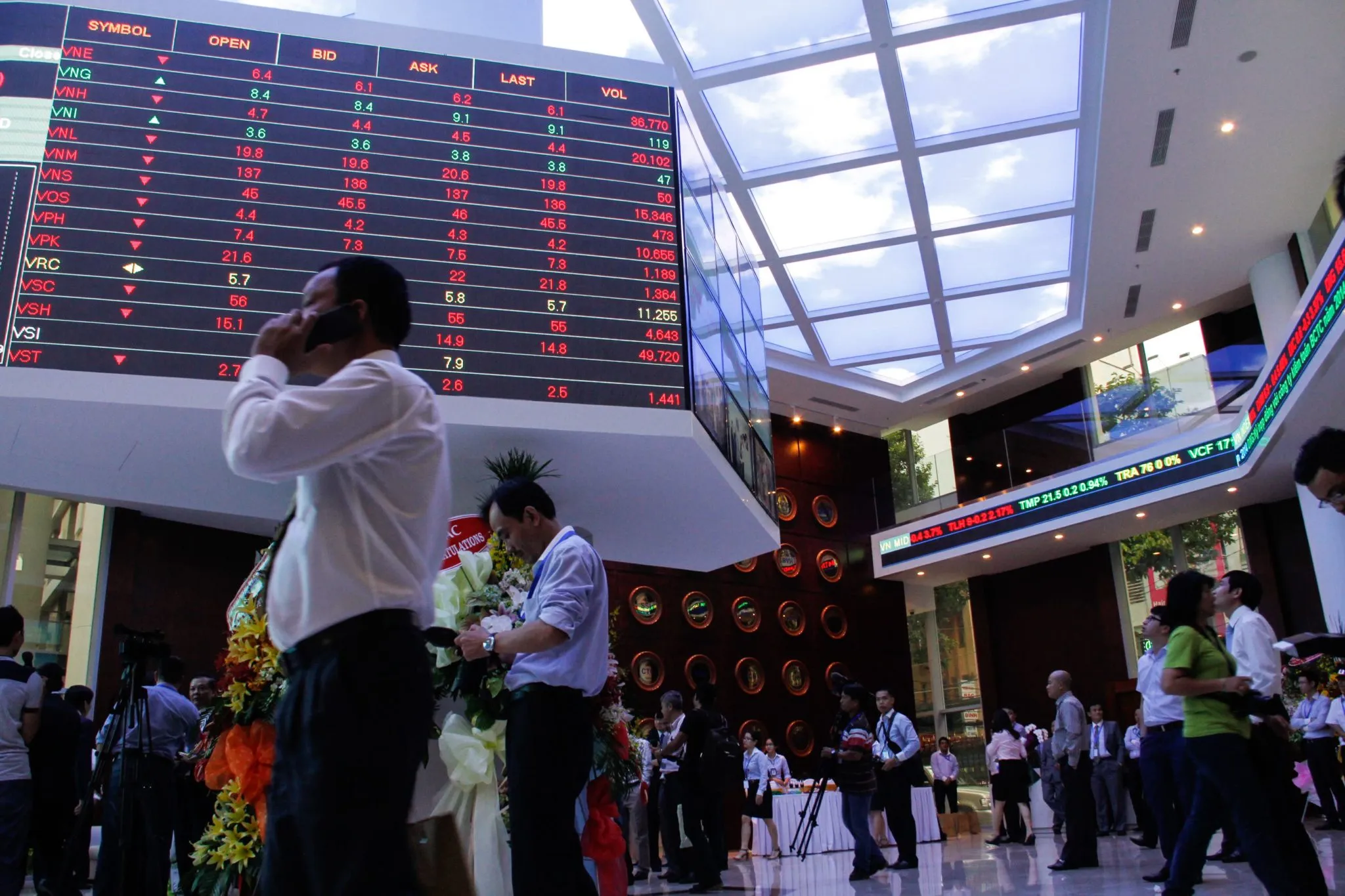
Chinese equities entered a bear market after shedding more than $3 trillion in market value, wiping out a year of tech-driven gains for approximately 250 million domestic retail traders.
Trading volumes dried up across mainland exchanges following the longest unbroken selling streak on record, pulling major benchmark indices back toward levels recorded before Beijing introduced stimulus support in 2024.
Individual accounts hold roughly 30 percent of Chinese equities by value but generate approximately 70 percent of total market turnover. That structural imbalance magnified swings throughout 2026, when millions of day traders rushed into initial public offerings tied to artificial intelligence, robotics, and semiconductors. Many of those listings were oversubscribed thousands of times over during the initial surge, before aggressive institutional selling quickly cut valuations.
State priorities continue to trigger aggressive capital allocation into targeted technology fields, but that factory floor expansion rarely safeguards margins for public shareholders. Local administrations across China race to fund identical supply chains, creating rapid manufacturing capacity that strips operating companies of basic pricing power.
For consumer brands and retail operators, the equity retreat removes a vital support for household balance sheets already pressured by a multi-year property contraction. Domestic consumers who turned to equity trading to recoup residential real estate losses now face dual balance-sheet erosion, restricting discretionary spending across major metropolitan centres.
6 percent for the US S&P 500 Index. That performance trailed despite China expanding its nominal gross domestic product by roughly 7 percent annually over the same ten-year window and producing global manufacturing leaders like BYD and DeepSeek.
Source link