

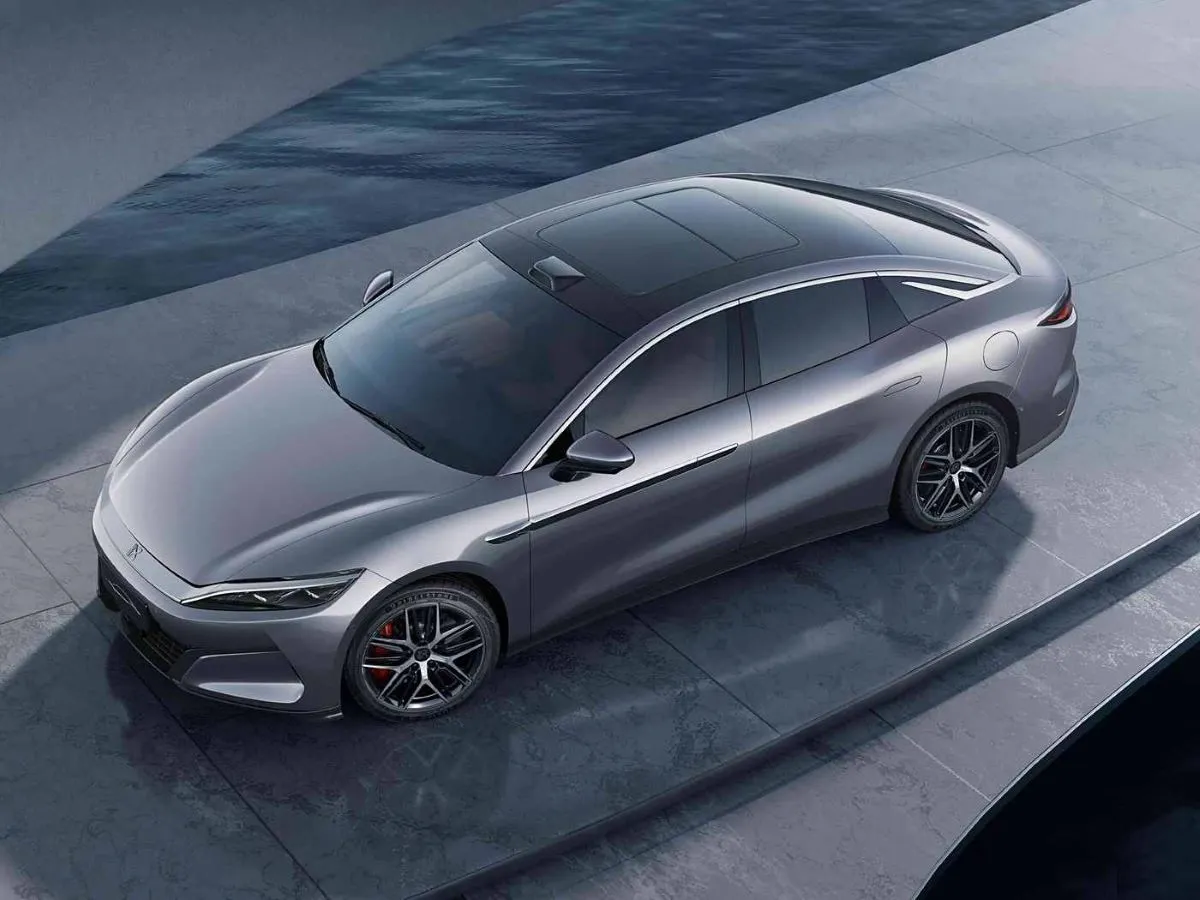
BYD widened its global electric vehicle lead over Tesla in the third quarter of 2026. Deliveries of pure battery passenger cars hit 762,478 units across the three-month stretch.
Deliveries at Tesla reached 486,532 vehicles globally over the same period. That beat market expectations of 463,761 units, though it fell 2.13 per cent short of the year-earlier total.
The gap between the two carmakers reached 275,946 pure electric vehicles between July and September. It expanded sharply from the second quarter, when BYD led Tesla by 76,964 units. BYD increased third-quarter passenger battery sales by 30.89 per cent year-on-year. Quarter-on-quarter, sales rose 36.87 per cent.
Entry models drove most of Tesla’s volume. The Model 3 sedan and Model Y crossover accounted for 478,237 units, or 98.30 per cent of all deliveries between July and September. Remaining lines, including the Model S, Model X, Cybertruck and Semi, yielded 8,295 deliveries combined.
Factory output at Tesla trailed final customer handovers. The Austin-based carmaker produced 464,391 vehicles during the quarter and drew down inventory by 22,141 units. In the same window, it installed 13.7 gigawatt-hours of stationary energy storage products.
These BYD figures exclude plug-in hybrid electric vehicles and commercial fleet sales. The tally isolates pure passenger battery models for direct comparison against Tesla’s all-electric lineup.
Across the first nine months of 2026, BYD sold 1,629,957 passenger battery electric vehicles globally, up 1.50 per cent year-on-year. Tesla handed over 1,324,681 cars during the same period, recording an 8.77 per cent increase.
Cumulative year-to-date numbers give the Shenzhen-based automaker an advantage of 305,276 pure electric cars.
Source link





