

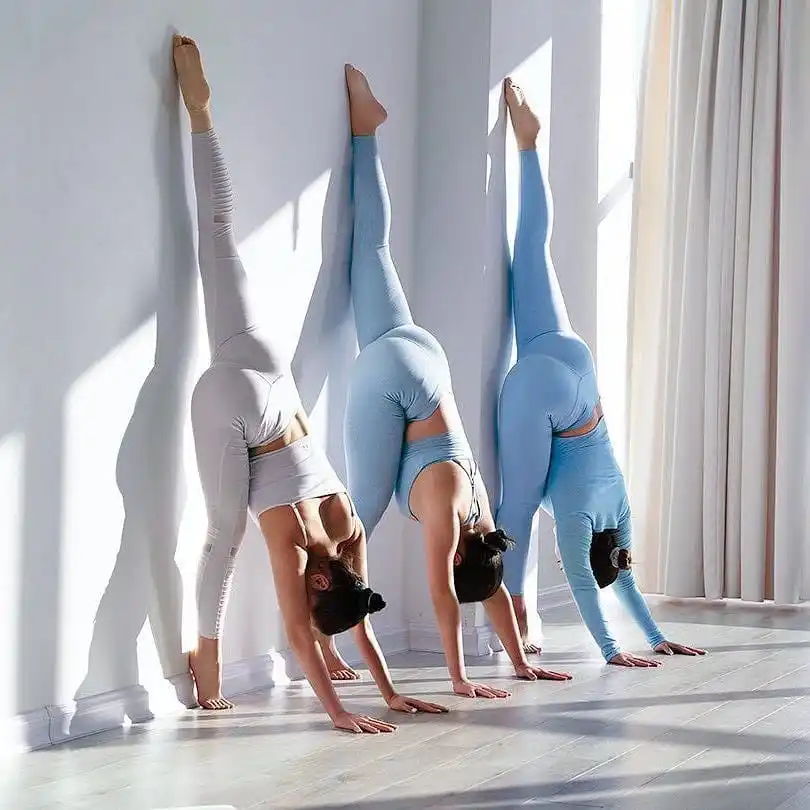
Alo Yoga is testing its international expansion in mainland China, positioning its stores and pricing against established premium athletic apparel labels across tier-1 retail districts.
The push tests whether consumers in China will pay top-tier prices for another Western athleisure brand as premium fashion spending has grown selective over recent quarters.
Entering the Chinese market requires securing flagship locations in high-traffic commercial centers alongside rivals such as Lululemon. Premium shopping developments in cities such as Shanghai and Beijing allocate ground-floor footprints to proven revenue generators, forcing newer entrants to compete aggressively for leasing terms.
Retail landlords have welcomed lifestyle activewear labels to fill space vacated by traditional department store formats. However, foot traffic alone does not guarantee conversion at premium price points, especially as property owners demand strong sales productivity per square meter.
Lululemon already commands significant market share and deep community loyalty across major Chinese metropolitan centers. Domestic players have also elevated product quality and brand marketing to capture consumers seeking performance apparel at lower price brackets.
Alo relies heavily on its celebrity following, studio aesthetic, and streetwear crossover appeal. Differentiating its offer in China requires translating that West Coast lifestyle narrative to local shoppers who prioritize functional performance and fabric innovation alongside aesthetics.
Chinese consumer sentiment in luxury and premium fashion has grown selective over recent quarters. Shoppers increasingly scrutinize price-to-value ratios, creating margin risks for brands attempting to establish top-tier positioning without localized brand equity.
Discounting remains a hazard in the market. Premium labels that resort to promotional pricing on major domestic e-commerce platforms risk diluting the prestige required to sustain flagship store operations.
Source link





