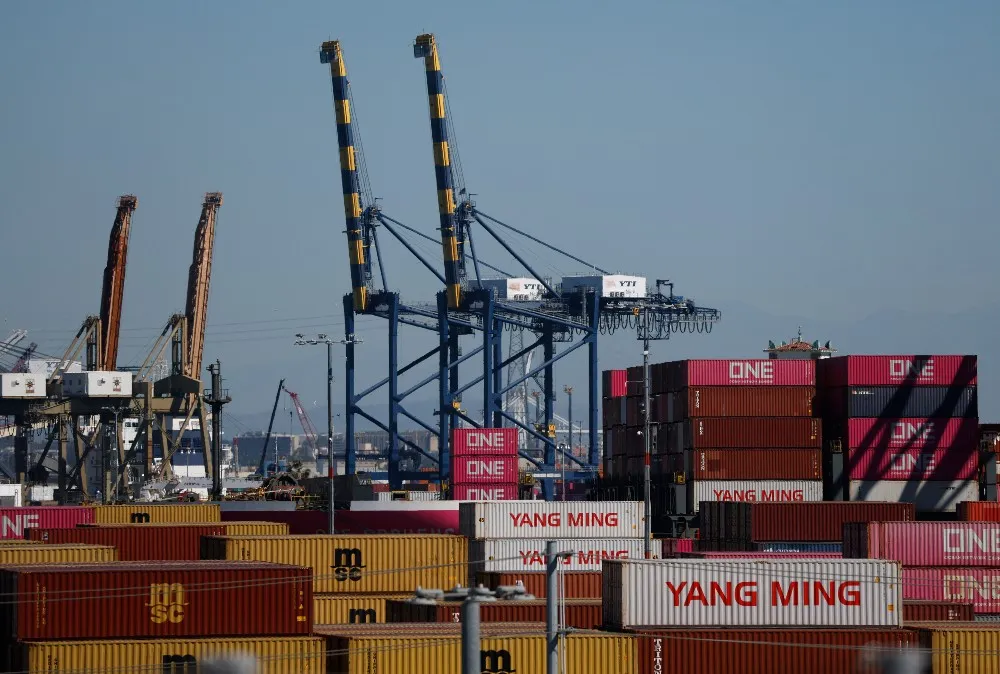
With around 97 percent of the clothes and shoes purchased in the United States hailing from other countries—and 95 percent of consumers buying American-made fashion living outside U.S. borders—the industry depends on access to both international suppliers and shoppers for its survival.
As such, burdensome trade practices perpetuated by governments both at home and abroad must be recognized and rectified to ensure the health of the sector, according to the American Apparel and Footwear Association (AAFA). Last week, the Washington, D.C.-based trade organization wrote to the Office of the U.S. Trade Representative (USTR) to submit comments for its 2027 National Trade Estimate (NTE) Report on Foreign Trade Barriers.
Related Stories

Democrats' Midterm Blowout a Referendum on Trump's Trade, Economic Policies
Canadian SMEs to Government: Prioritize Tariff Relief
The AAFA identified issues spanning 12 countries with which U.S. firms do business, including problems related to import licensing requirements, customs valuation and enforcement practices, labeling regulations, technical barriers to trade and intellectual property protection concerns.
In addition to underscoring the critical nature of reducing regulatory inconsistencies, upping customs coordination and improving market access for U.S. firms selling into or sourcing from foreign markets, the group highlighted the need for more certainty when it comes to the future of U.S. tariff policy, which has, over the past year and a half, roiled supply chains across the globe.
While the vast majority of production for apparel, footwear and travel goods takes place overseas, between 70-75 percent of the value of imported clothing is a reflection of operations that take place stateside, from design to marketing, compliance, logistics and retail.
Source link