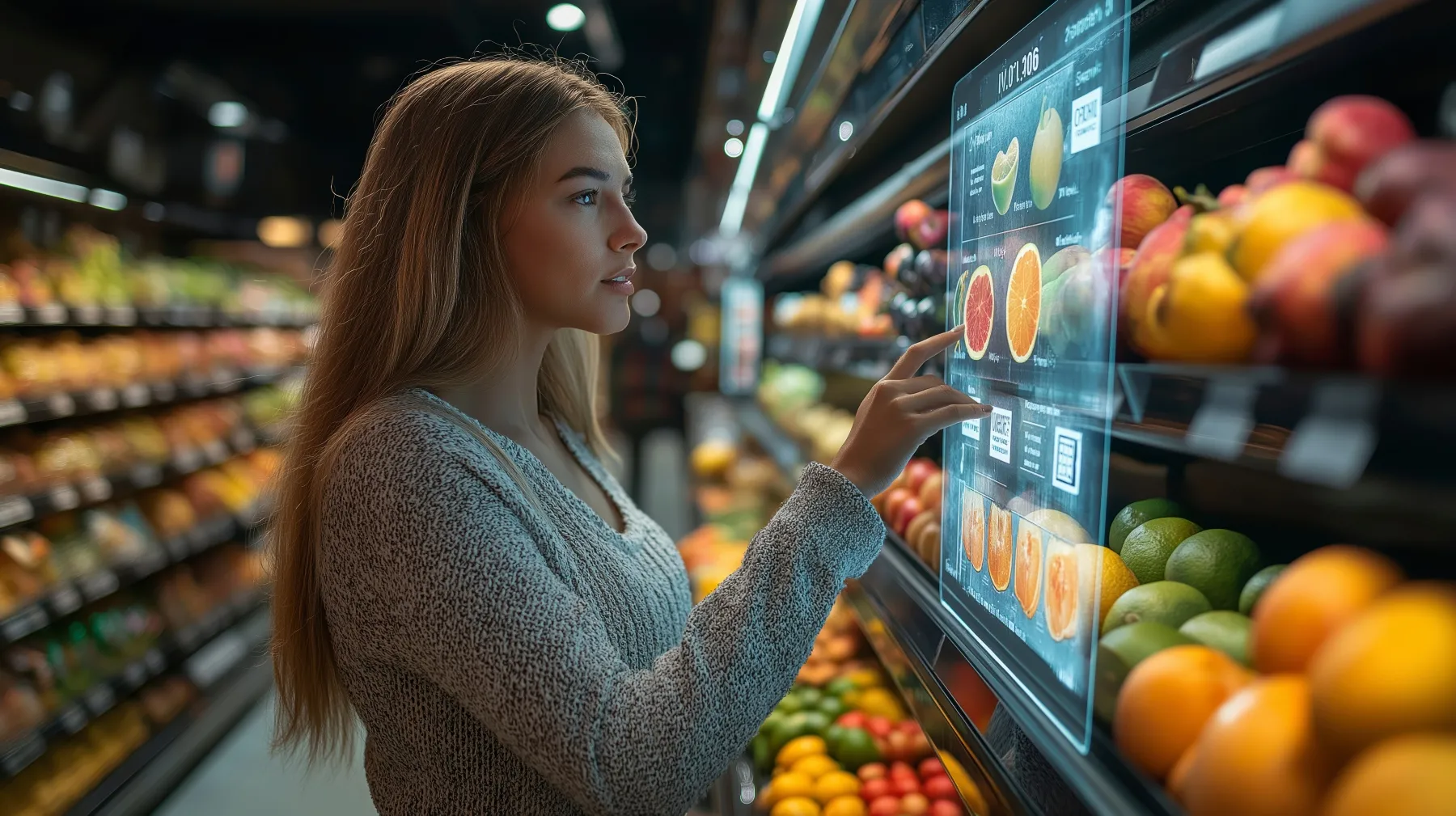
More than half of consumers will delegate online grocery orders to artificial intelligence if the technology saves up to 30 minutes on a large shop, according to research published by professional services firm EY.
The study found 58 per cent of shoppers back algorithmic buying to remove decision fatigue from routine pantry replenishment, while 61 per cent will provide personal data to tools that reliably trim their weekly planning time.
The shift alters how consumer packaged goods brands win shelf space across digital platforms. Richard Rome, associate partner for consumer industry at EY, pointed out that grocery shopping forces dozens of micro-decisions over nutrition, cupboard stock, household taste, and waste reduction that leave buyers mentally drained.
Automating transactions offers basic speed, yet consumers expect systems to interpret broader health and dietary parameters. About 26 per cent of surveyed buyers want automated systems to grasp personal preferences, and the same share wants direct help selecting healthier alternatives.
Another 23 per cent want digital agents to audit ingredients and packaging claims. Support for dietary restrictions registered at 16 per cent, while 14 per cent sought verification of ethical and environmental claims.
Those demands mean standard catalog assets will fail to convert autonomous agents. Pack photographs and net weights no longer suffice when machine buyers parse nutritional breakdowns, farm provenance, manufacturing processes, and verified supply chain footprints.
Understanding how consumers frame requests, and why AI recommends one product over another, will become an important commercial capability.
Product visibility will depend on whether back-end technical data satisfies automated filters rather than standard digital advertising banners.
Source link