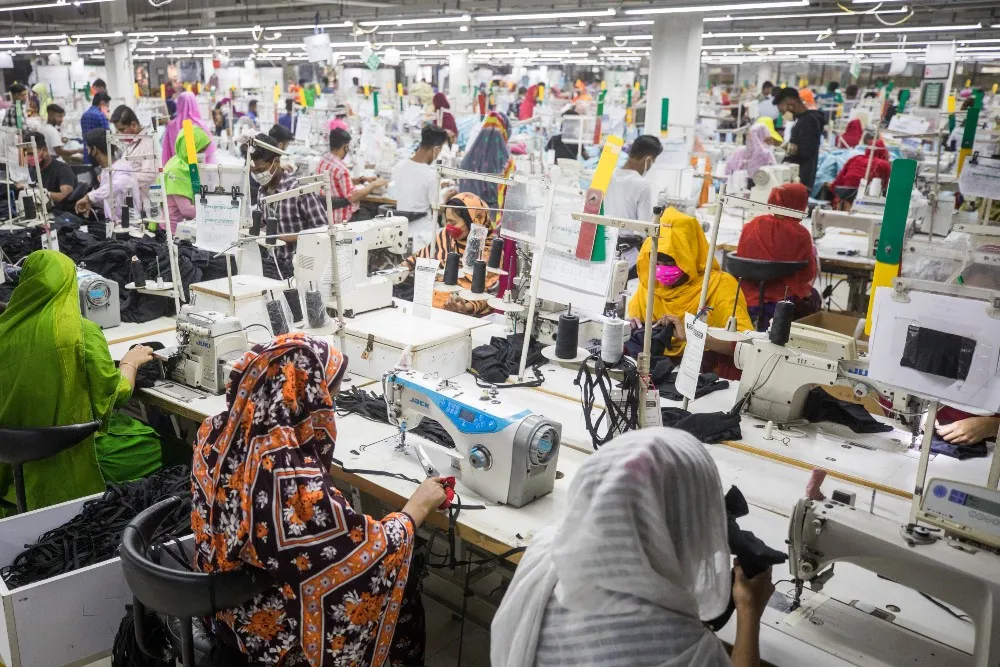
Having crossed a historic milestone of 300 signatories, the International Accord is preparing for its next phase of factory safety and expansion.
The framework now covers more than 2,000 factories across Bangladesh and Pakistan, representing approximately $26 billion in annual sourcing and 3.4 million workers.
“This is the highest number of brands that we have to date,” Joris Oldenziel, executive director of the International Accord for Health and Safety in the Garment and Textile Industry told Sourcing Journal, emphasizing the scale of accountability the framework now commands. “This represents a very strong commitment to workplace health and safety,” he said.
Related Stories

Modern Syntex Secures $50M Loan to Expand Polyester Capacity
Rajby Textiles Launches New Karachi Apparel Facility
Bangladesh‘s manufacturers, who have spent more than 13 years remediating factories since the Rana Plaza collapse and the birth of the original Accord, are increasingly pushing back against the framework’s direction.
Nafis Ud Doula, director of the Bangladesh Garment Manufacturers and Exporters Association (BGMEA) and a member of the RSC board, is emphatic about the industry’s position.
“From the industry, we are saying, ‘It is enough! We don’t want any external gatekeeper. We are mature enough to handle ourselves. We do not want the Accord as a gatekeeper. We want to change the protocols; to change the process.’”
Global unions, meanwhile, are pressing for changes to its governance and a broader approach to worker protection as negotiations begin over the renewal of the Bangladesh Safety Agreement.
Source link