The Office has been off the air for more than a decade, but its influence on television is still easy to see. Created by Ricky Gervais and Stephen Merchant, the original 2001 UK version followed David Brent (Gervais) and the employees of a paper company called Wernham Hogg. It only ran for 14 episodes and two Christmas specials, but its approach to workplace comedy became extremely popular.
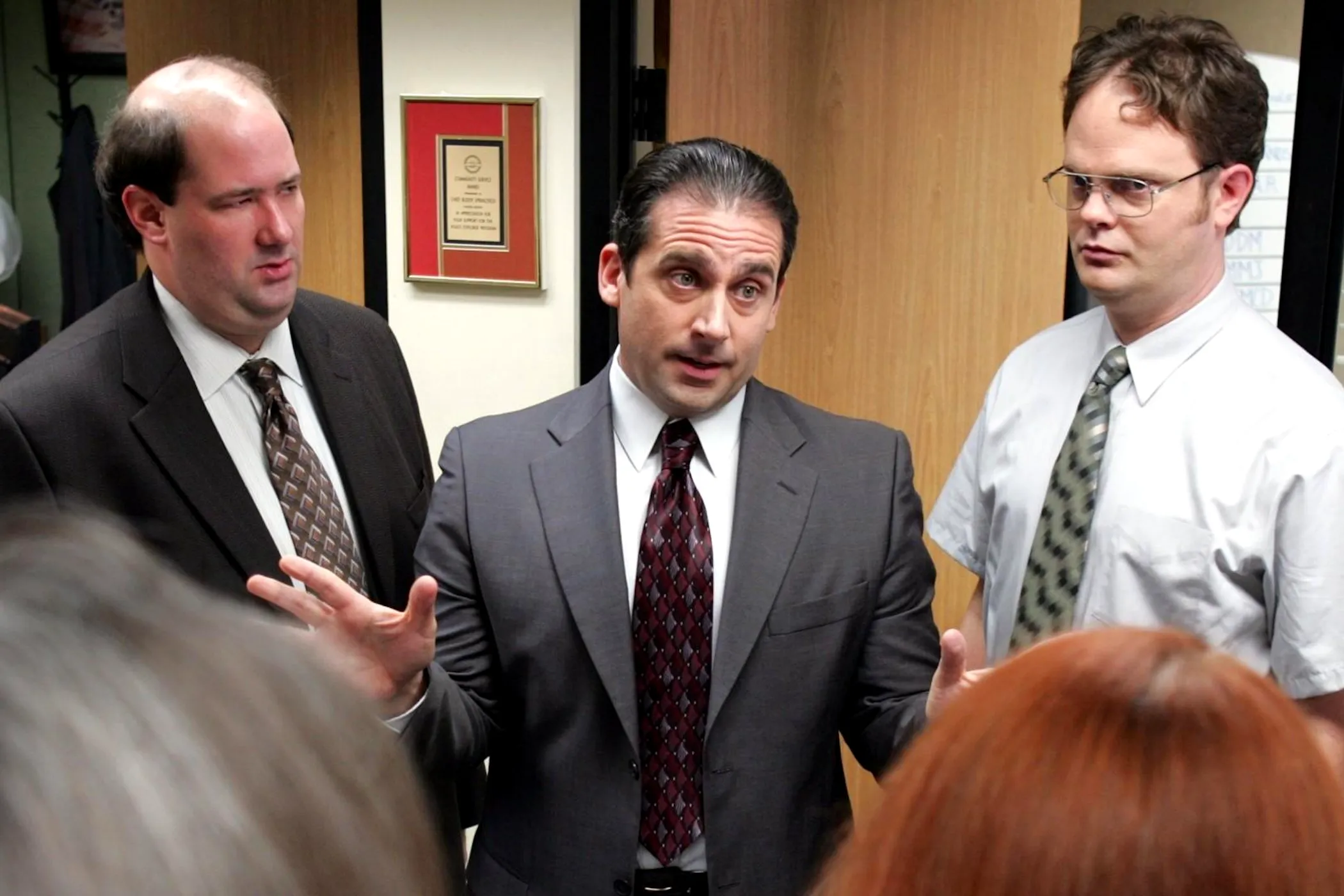
The US version of The Office followed in 2005 and eventually ran for nine seasons on NBC. While the British series established the basic idea of mockumentary storytelling, the American version gave it more time to develop, and the series led by Michael Scott (Steve Carell), the manager of the Scranton branch of the Dunder Mifflin Paper Company, has become iconic (not to mention its theme tune!).
What made The Office unique is that its premise is built around mundane things. For instance, Michael could spend an entire episode worrying about an office party. Jim Halpert (John Krasinski) and Dwight Schrute (Rainn Wilson) would get into a trivial disagreement just for fun. Or corporate could throw a new office rule into the mix that would mess up everyone's day.
That would normally be considered rather boring. But the secret to The Office's success was that each character's reaction mattered more than whatever exaggerated crisis they were thrown at. A person could explain what they think happened in a talking-head interview, only for the next scene to show something that contradicts their version of events.
Source link