Security teams have more alerts, logs, and monitoring tools than ever. Yet when an attack happens, one simple question can still take too long to answer: Who or what is behind this activity, and what can they access?
A suspicious login might belong to an employee. An unusual API call could come from a machine account. Or an AI agent might be accessing sensitive systems using permissions nobody has reviewed recently.
Your SIEM or EDR may catch the activity. But without knowing who owns that identity, what permissions it has, and which systems it can reach, your SOC is missing a critical part of the story.
And that missing context can turn a manageable incident into a much bigger problem.
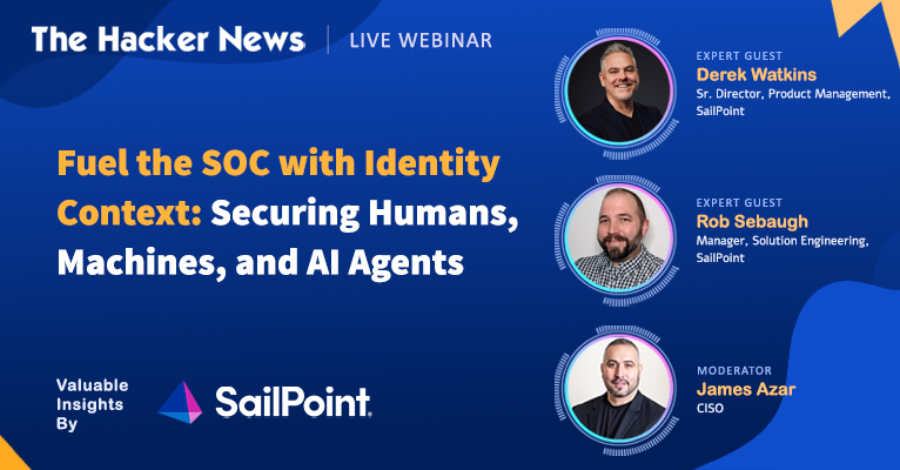
Join this expert-led webinar to learn how real-time identity context can help your SOC investigate threats faster, understand what's at risk, and respond with confidence.
Identity and access management (IAM) teams know who has access to what. Security operations teams monitor suspicious activity and respond to threats.
But these teams often work with different tools, different data, and different priorities.
When an alert comes in, SOC analysts may know what happened but still struggle to understand what it means.
Consider a compromised service account. An analyst might detect suspicious activity, but several questions remain:
These answers matter. Blocking the wrong identity can disrupt production. Waiting too long can give an attacker more room to move.
And with machine identities and autonomous AI agents becoming part of everyday operations, the problem is getting more complicated.
Source link