Three distinct threat activity clusters with shared infrastructure and malware code similarities have been observed targeting telecommunications providers, government organizations, military entities, research institutions, and critical infrastructure across Latin America, Asia, and Europe over the past year.
Check Point Research is tracking the clusters under the names SilentDelivery, OceanGate, and DarkWire. Although initially assumed to be independent sets of attacks, each with its own backdoors and post-exploitation tooling, they have all been linked through a malware ecosystem called Sparrow.
The entity behind the Sparrow framework has been codenamed CopperDragon, and is assessed to be a digital quartermaster developing tools for China-nexus threat actors, including FamousSparrow, Earth Estries, Tropic Trooper, UAT-9244, and UAT-8302.
"Each cluster employed a different toolset and different initial access techniques, including compromising internet-facing infrastructure and highly selective watering hole attacks," Check Point said in a technical report published today. "The compromised websites that were used for watering hole attacks were of government, shipping, and IT and research sectors."
Attacks mounted by FamousSparrow are known for deploying backdoors like SparrowDoor (and its variants Crowdoor and TernDoor), SparroWocky, and HemiGate. It's also assessed to share some degree of overlap with Salt Typhoon. However, the precise nature of the relationship remains unclear.
The cyber espionage ecosystem linked to CopperDragon is driven by three prominent clusters -
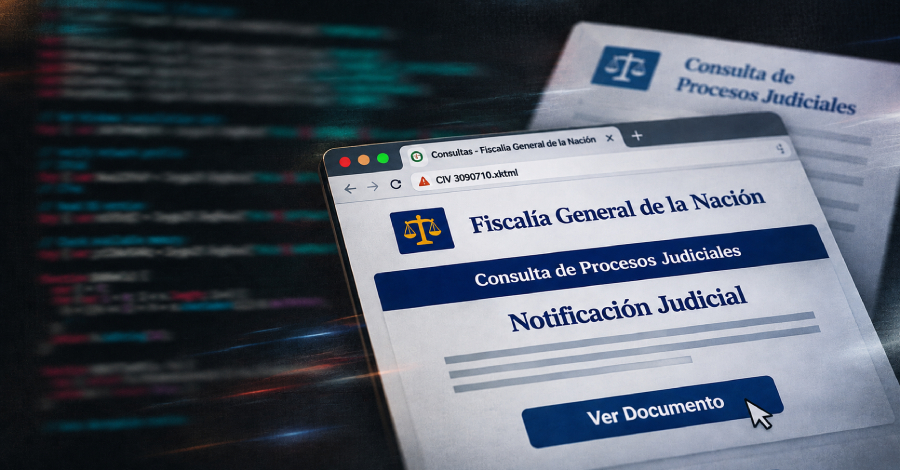
The SilentDelivery chain begins with the attacker injecting heavily obfuscated JavaScript into legitimate websites frequented by their intended targets. Visitors to the sites are greeted by a Google Chrome SSL certificate warning that instructs users to install a "Certificate Fix" utility to restore access.
Source link