Every modern enterprise depends on credentials. This is how humans, systems, and now AI, all connect to data, services, and each other securely. GitGuardian helps secure that credential layer through three connected capabilities: Detect, Remediate, and Prevent. The journey starts with detection, because organizations first need to understand what credentials exist, where they live, and what they can access. This is the first of three articles we are releasing that explain the reason behind our mission.
Software production is accelerating beyond the growth assumptions that shaped many of today's security controls. GitHub COO Kyle Daigle said the platform had gone from roughly 1 billion commits during all of 2025 to 2.9 billion commits in August 2026, an annualized pace of over 14 billion for the 2026 reporting year. GitHub's own engineering team has gone further in its capacity planning, saying it moved from preparing for 10x scale to designing for a future that requires 30x today's scale as agentic development accelerated.
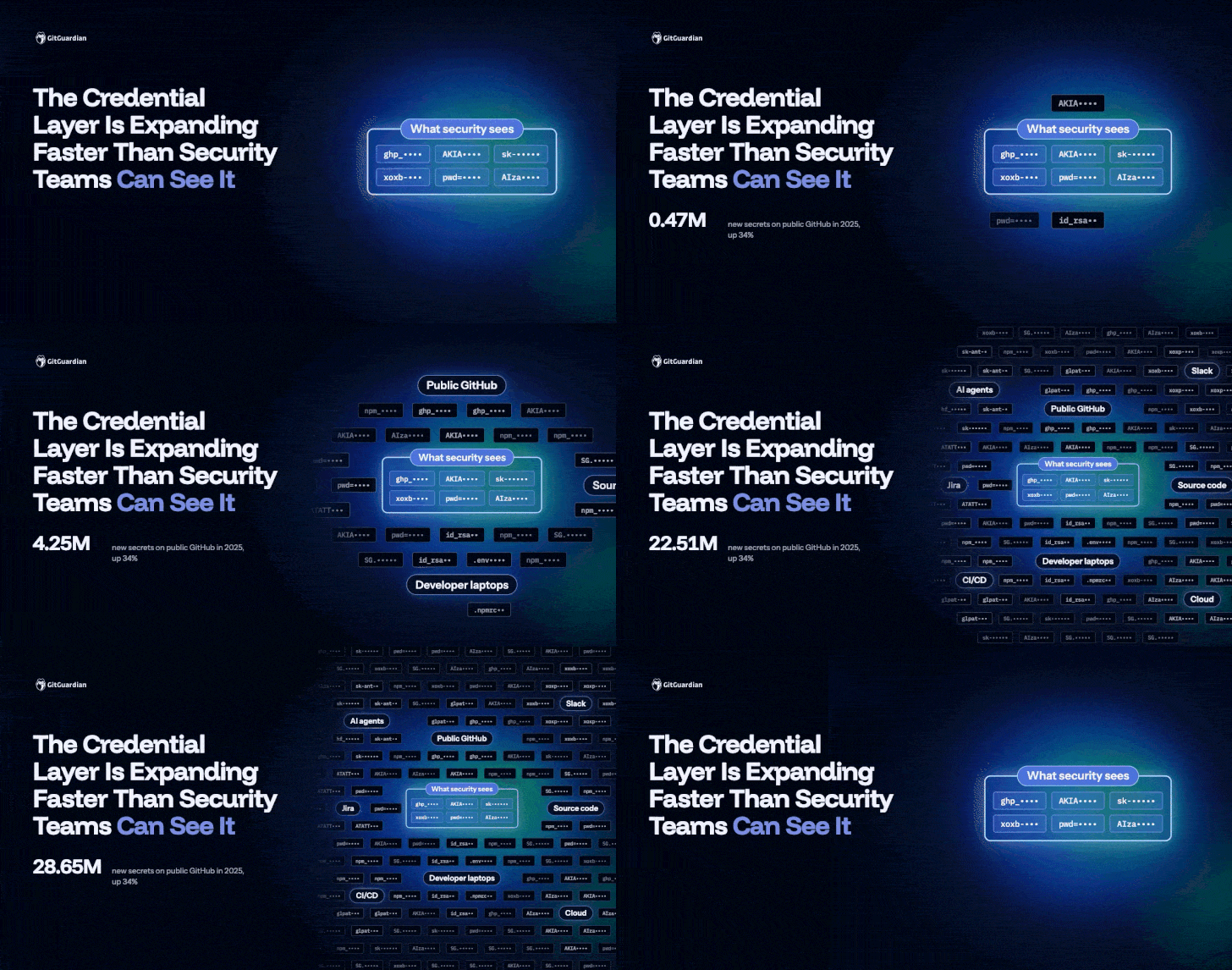
All of this code prodiction means more infrastructure and more secrets. More applications, new types of integrations, automations, and now agents, mean more systems need to authenticate to something else. Credential exposure has already been a problem of increasing scale. GitGuardian detected 28.65 million new hardcoded secrets in public GitHub commits in 2025, up 34% year over year. Leaked credentials associated with AI services increased 81%.
Security teams need to establish visibility into that expanding credential layer right now.
GitGuardian approaches credential-layer security through three connected stages: Detect, Remediate, and Prevent.
Source link