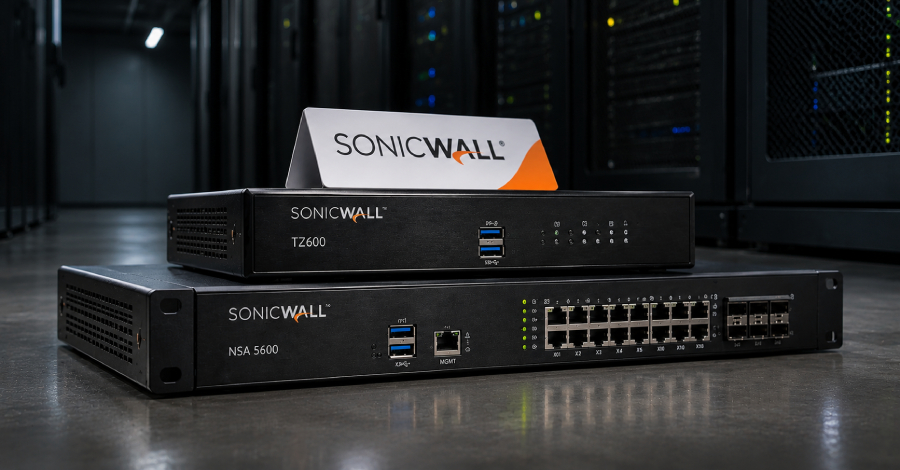
SonicWall has urged all customers still running Generation 6 firewalls to retire and replace them immediately and stop exposing the devices on the internet edge, citing security risks fueled by AI-assisted attacks.
"Attackers now use automation and AI to find and exploit unsupported edge devices faster than ever," SonicWall said. "We expect internet-facing Gen 6 firewalls to be actively targeted. Treat any Gen 6 firewall still in service as a high-risk exposure, and migrate to a supported Gen 8 firewall running SonicOS 8."
In recent years, threat actors have increasingly targeted edge devices as a launch point to obtain initial access, even as the window between disclosure and confirmed exploitation has collapsed significantly, in part driven by threat actors' use of automation and AI to scan the internet for unsupported devices, analyze patches and vulnerability disclosure announcements, and build working exploits faster.
According to Google Mandiant's M-Trends report published in March 2026, the mean time to exploit vulnerabilities has turned negative, reaching an estimated -7 days, meaning exploitation, on average, begins before a patch is available, down from 63 days in 2018 and -1 day in 2024.
"This trend is compounded by threat actors' evolving interest in security appliances and networking infrastructure," Google said. "Because these assets provide critical inspection of data ingress and egress points, they grant significant visibility and permissions to those who gain access to them."
Cisco Talos' 2025 Year in Review report has also found that 23% of CVEs discovered in the year directly impact network devices like VPN appliances, next-generation firewalls (NGFWs), load balancers, routers, and others.
Source link