A malicious webpage could extract a Meta Muse user's private conversations and stored memories from the assistant without triggering any approval prompt, researchers have shown.
The same attack could be extended to reach the credentials Muse stores for the user's connected accounts.
The work was a laboratory demonstration, not an attack on real users, and it stayed inside the individual user's cloud machine. NebuSec, the security firm that published it yesterday, says Muse's team has since fixed every weakness it describes.
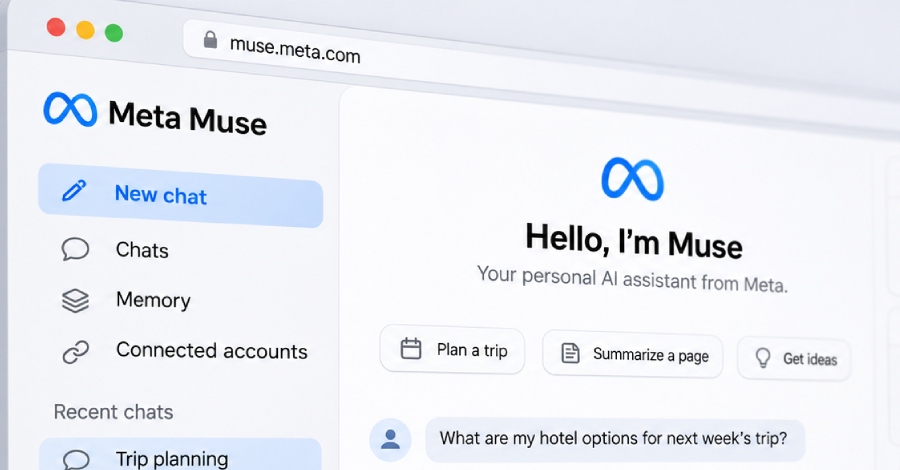
Muse is Meta's personal AI agent, launched on September 8, that works through the online accounts a user connects to it and can make purchases on their behalf. Each person's agent runs on its own cloud computer.
There, a monitoring layer called Sentinel is meant to be the single gate for anything the agent sends out, and the passwords and tokens for connected accounts are supposed to stay beyond the agent's reach.
Muse's team described the aim at launch: "So we designed the system to assume the agent may be under attack and limit the potential damage."
In the demonstration, a malicious page the agent opened could pull a user's conversation history and stored memories to an external server and alter them, with no prompt shown to the user, according to the firm's research write-up.
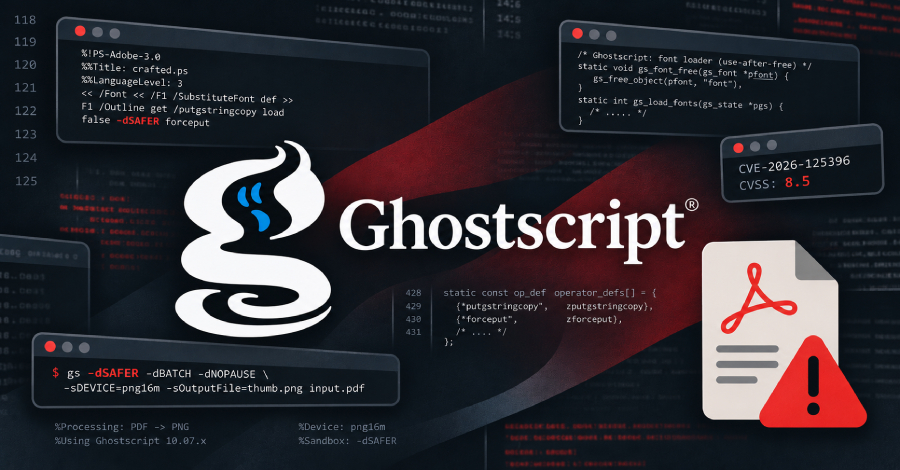
From there, the researchers chained a flaw in Muse's built-in browser, which the assistant uses for tasks such as creating PDFs, to a Linux kernel flaw, thereby taking full control of the user's cloud machine.
Source link