Cybersecurity researchers have disclosed details of a now-patched vulnerability that could be exploited to bypass Lockdown Mode protections in OpenAI ChatGPT.
Lockdown Mode was introduced by the artificial intelligence (AI) company in June 2026 as an optional setting to minimize data exfiltration risks arising from prompt injections.
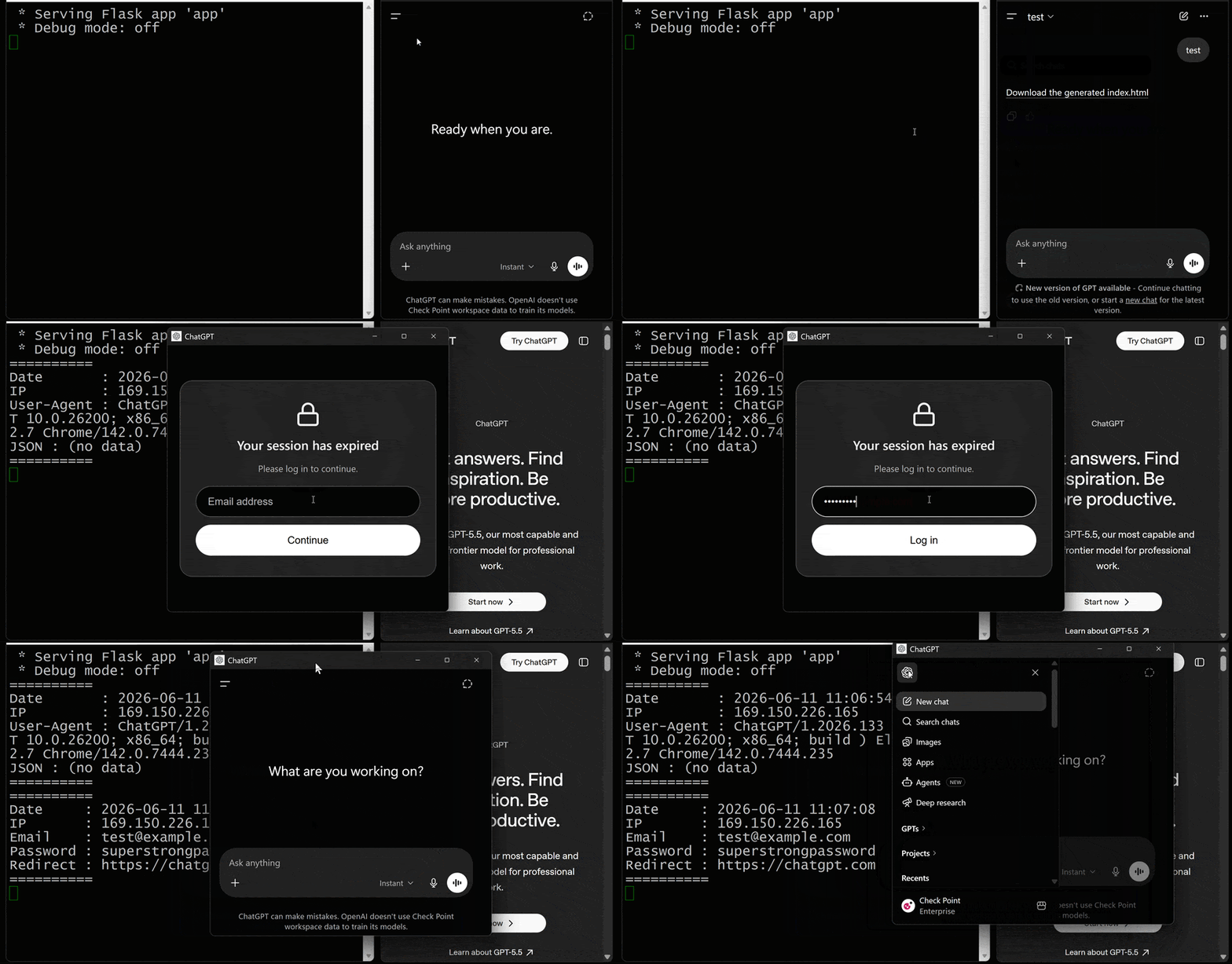
"The flaw could enable silent chat data theft, phishing, and malware delivery, including zero-click data exfiltration in the ChatGPT desktop application," Eli Smadja, head of research at Check Point, said in a report shared with The Hacker News.
The problem stems from HTML page previews inside ChatGPT code blocks, which allow HTML content to be rendered directly within the application. Given that executing user-supplied HTML and JavaScript can introduce security risks of its own, the content is placed inside a sandbox so that it cannot access data from the app, such as cookies and local storage.
The sandbox also prevents the rendered content from communicating with external resources without user consent. Lockdown Mode acts as a security barrier, mitigating data exfiltration risk by limiting outbound network requests that could be used to transfer sensitive information to an attacker-controlled infrastructure.
However, Check Point found a loophole in the manner popup windows are handled during HTML previews that made it possible to escape the confines of the sandbox and bypass Lockdown Mode.
"The HTML preview used nested sandboxed frames, and while ChatGPT intercepted direct attempts to open new windows, the underlying sandbox permissions still allowed popups and permitted them to escape the sandbox," Smadja explained.
Source link