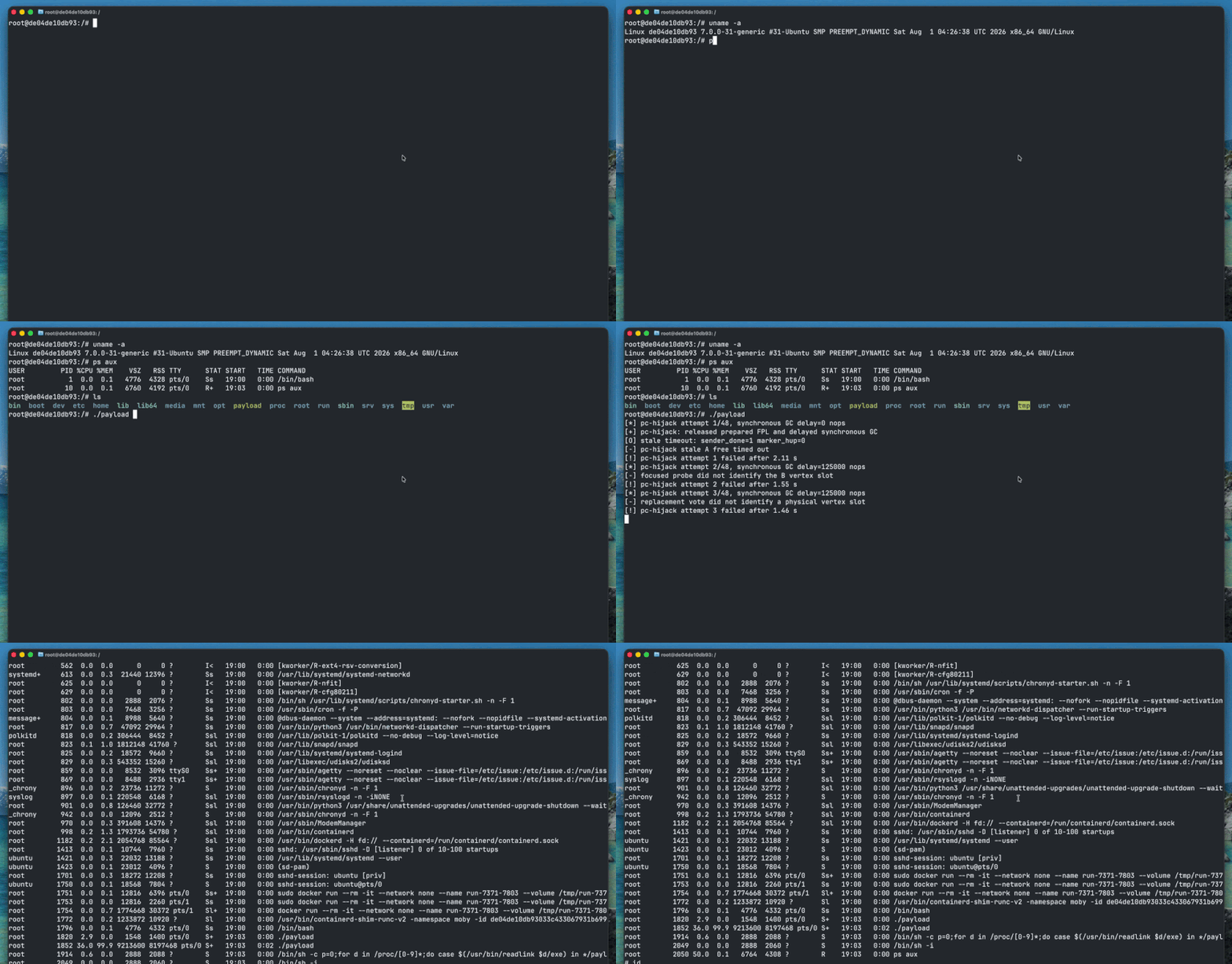
A use-after-free in the Linux kernel's AF_UNIX socket subsystem can be used to escape a container and gain root on the host, security firm DepthFirst said in research published September 22.
The flaw, tracked as CVE-2026-80521 (CVSS score: 7.8), was fixed upstream on August 6, but Ubuntu has not shipped the patch for its 26.04, 24.04, or 22.04 LTS releases. DepthFirst released exploit code targeting Ubuntu 26.04.
Ubuntu's security tracker lists the Linux package on 26.04 as "vulnerable, work in progress." The 24.04 and 22.04 releases are also affected through newer kernel packages, including those for AWS, Azure, and GCP workloads. No fix has shipped on any affected release.
The flaw is not in CISA's Known Exploited Vulnerabilities catalog, and there are no confirmed reports of attacks using it.
The vulnerability sits in the kernel's garbage collector for AF_UNIX sockets. That collector cleans up file descriptors passed between processes through SCM_RIGHTS messages. AF_UNIX sockets handle local communication between processes and are allowed by default in Docker and Kubernetes seccomp profiles, which is why the flaw can be reached from inside a container.
A race condition in the garbage collector lets it see new references before the data carrying them has been queued. If the collector runs during that window, it can free part of a group of linked sockets without removing a pointer from a persistent internal list. The next collection pass follows that pointer into freed memory.
Because the exploit reaches the kernel through ordinary system calls that containers are allowed to make, it bypasses namespace isolation, cgroup limits, and seccomp filtering.
Source link