ITER has completed a major test campaign on one of its 330-tonne superconducting magnets, successfully energizing the massive component to 34 kiloamperes (kA) before removing it from its magnet cold test facility.
The D-shaped toroidal field coil, designated #17, was cooled to 4 Kelvin (minus 269 degrees Celsius) and tested at half its nominal operating current of 68 kA. The successful campaign allowed engineers to assess how the magnet deforms under electromagnetic loads and compare its behavior with structural models.
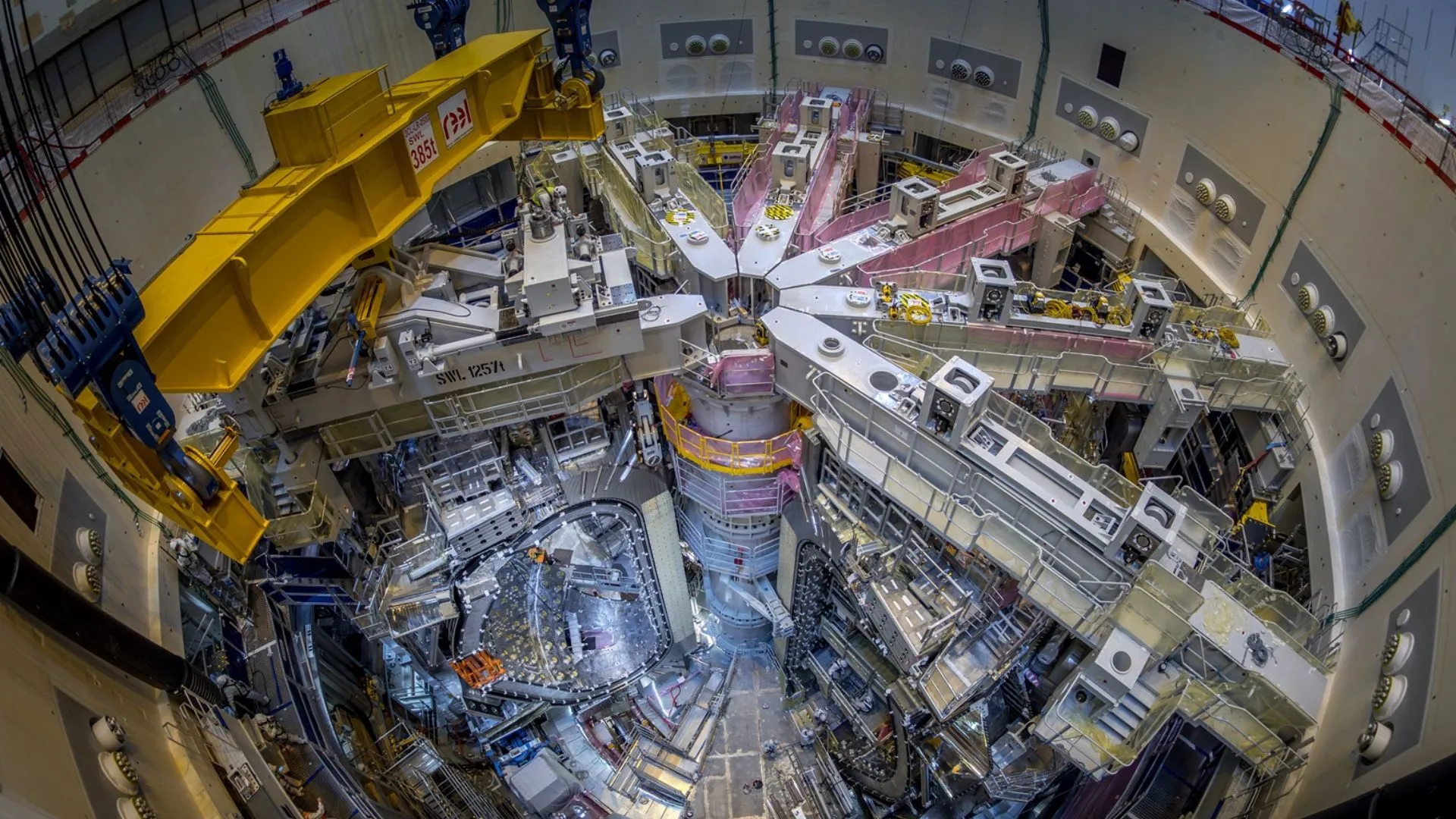
The coil was transferred from the facility to a transport frame on October 30. It will now be moved into temporary storage before heading to ITER’s Assembly Hall for integration into the plasma chamber’s final sector module.
The achievement provides valuable operational experience ahead of the commissioning of ITER’s integrated magnet systems.
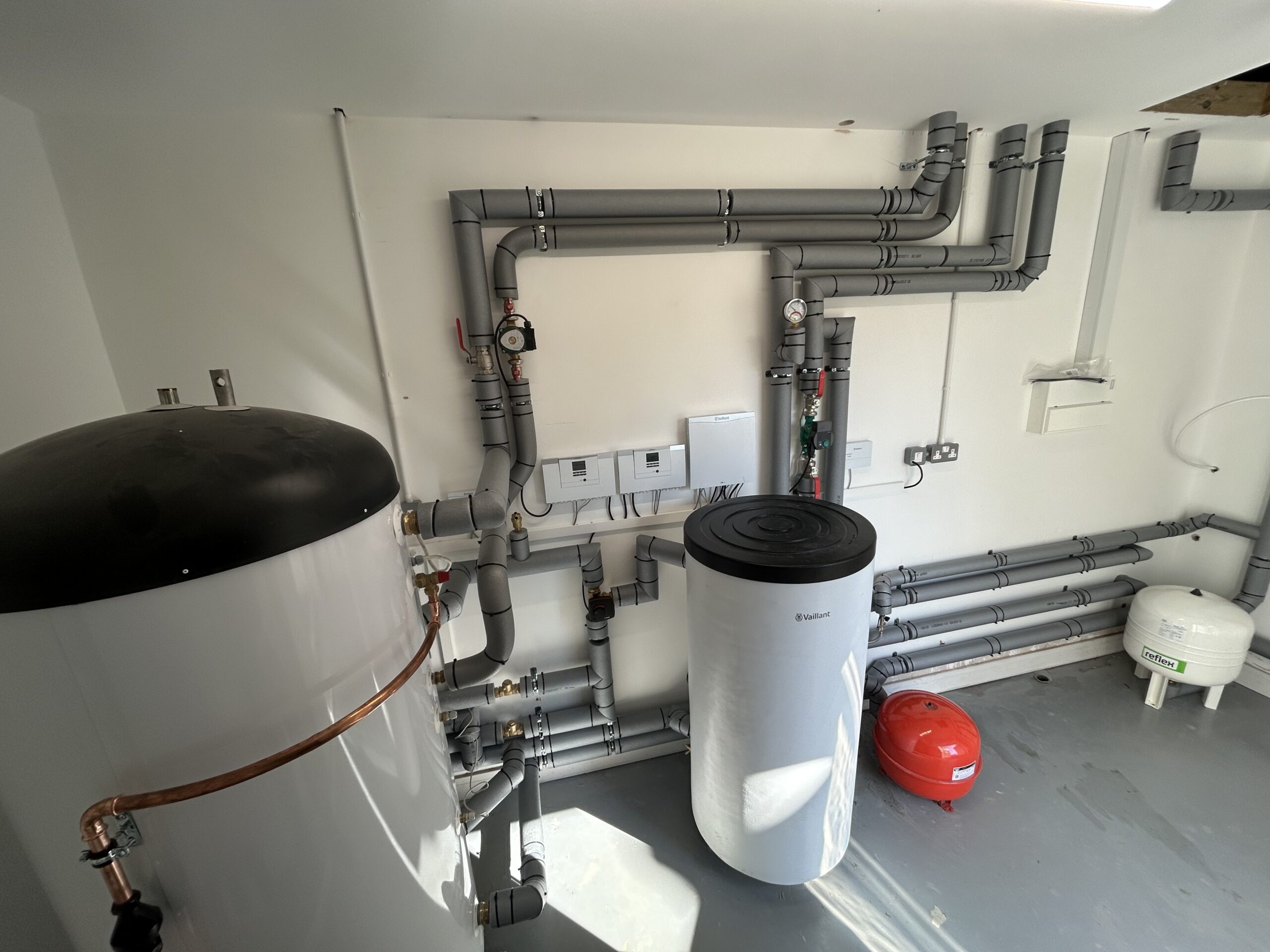
The magnet cold test facility was developed to evaluate ITER’s superconducting magnets and their supporting infrastructure before installation in the tokamak. This includes cryogenics, vacuum systems, power supplies, electrical feeders and control systems.
Its first testing campaign began in May 2026 with toroidal field coil #7. Engineers cooled the magnet to 4 K and energized it to 10 kA, allowing them to assess electrical resistance at its joints and evaluate the system responsible for detecting a loss of superconductivity, known as a quench.
Testing of coil #17 began in August. Reaching 34 kA marked a significant increase in testing current and allowed engineers to examine the component’s structural response under stronger electromagnetic forces.
“It is an important step to reach 34 kA and to confirm the coil is behaving as predicted by the models,” said Adrien Deydier, ITER’s lead mechanical engineer involved in the testing.
Source link