
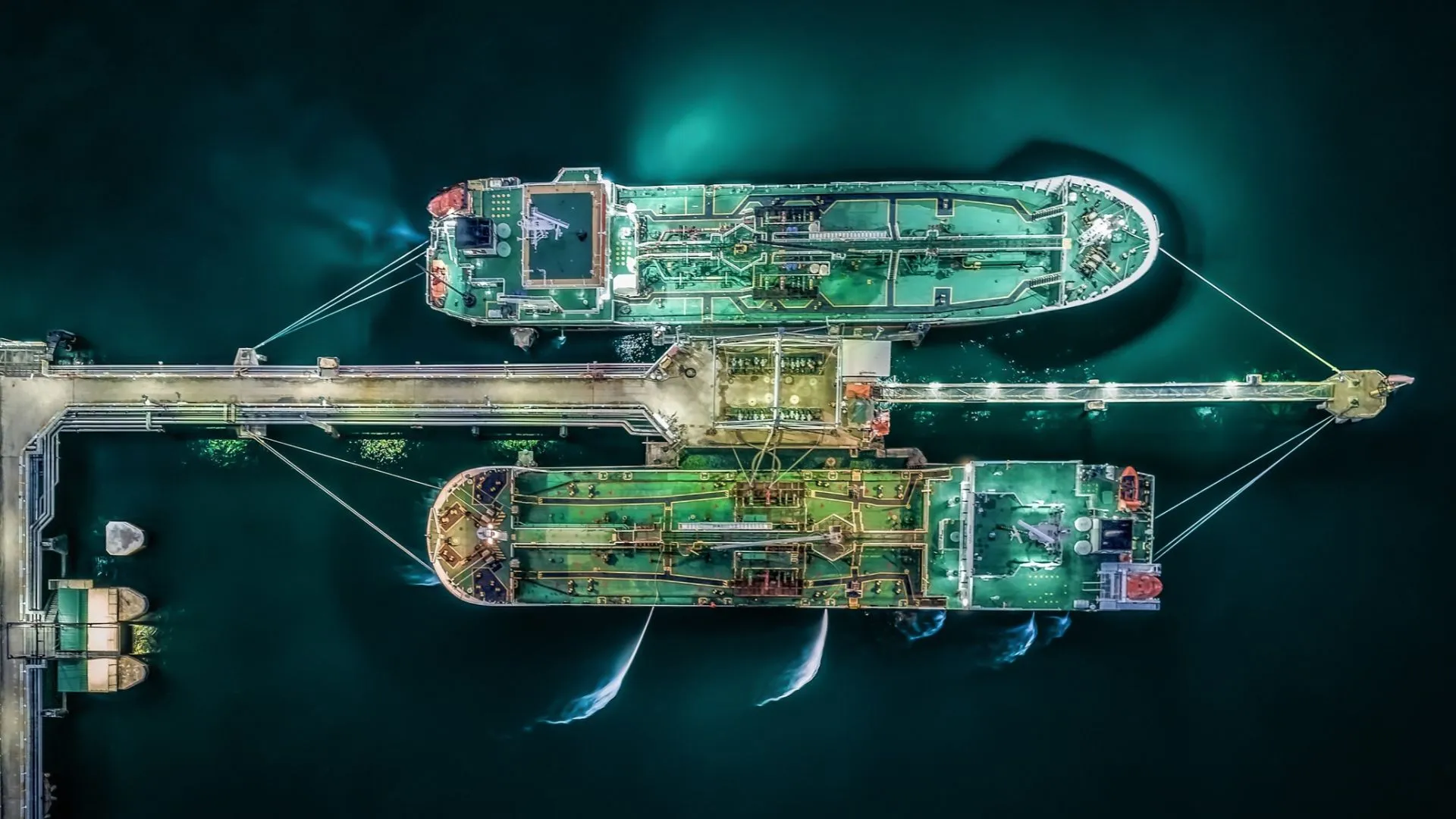
A pair of giant ore carriers will be able to burn three different marine fuels, giving them unusual flexibility on long ocean voyages. The 210,000-metric-ton ships will use ethanol, methanol or conventional heavy fuel oil for propulsion.
Mitsui O.S.K. Lines and Vale International have signed a 25-year agreement covering the vessels. Both ships are scheduled for delivery in 2030 and will primarily transport Brazilian iron ore to destinations worldwide.
The design could become particularly useful as shipping searches for practical ways to cut emissions. Alternative fuels are developing quickly, but their availability and economics still vary widely between ports.
The ships’ tri-fuel engines can switch between heavy fuel oil, methanol and ethanol. That gives operators another way to manage changing fuel supplies during long-distance voyages.
Ethanol stands out for its potential emissions reduction. MOL estimates it can cut lifecycle carbon emissions by up to 90 per cent compared with heavy fuel oil.
The estimate covers emissions from producing the fuel through its eventual use onboard. Ethanol has also attracted interest because its handling requirements could support wider use in marine applications.
Methanol adds another alternative for the vessels. Heavy fuel oil remains available when lower-carbon fuels are unavailable or do not make economic sense.
That flexibility could become important on routes spanning several fuel markets. A vessel travelling between continents cannot assume that every port will offer the same alternative fuels.
The ships will also feature an LNG- and ammonia-ready design. That means their propulsion systems can potentially accommodate additional fuel pathways as technology and infrastructure develop.
Source link





