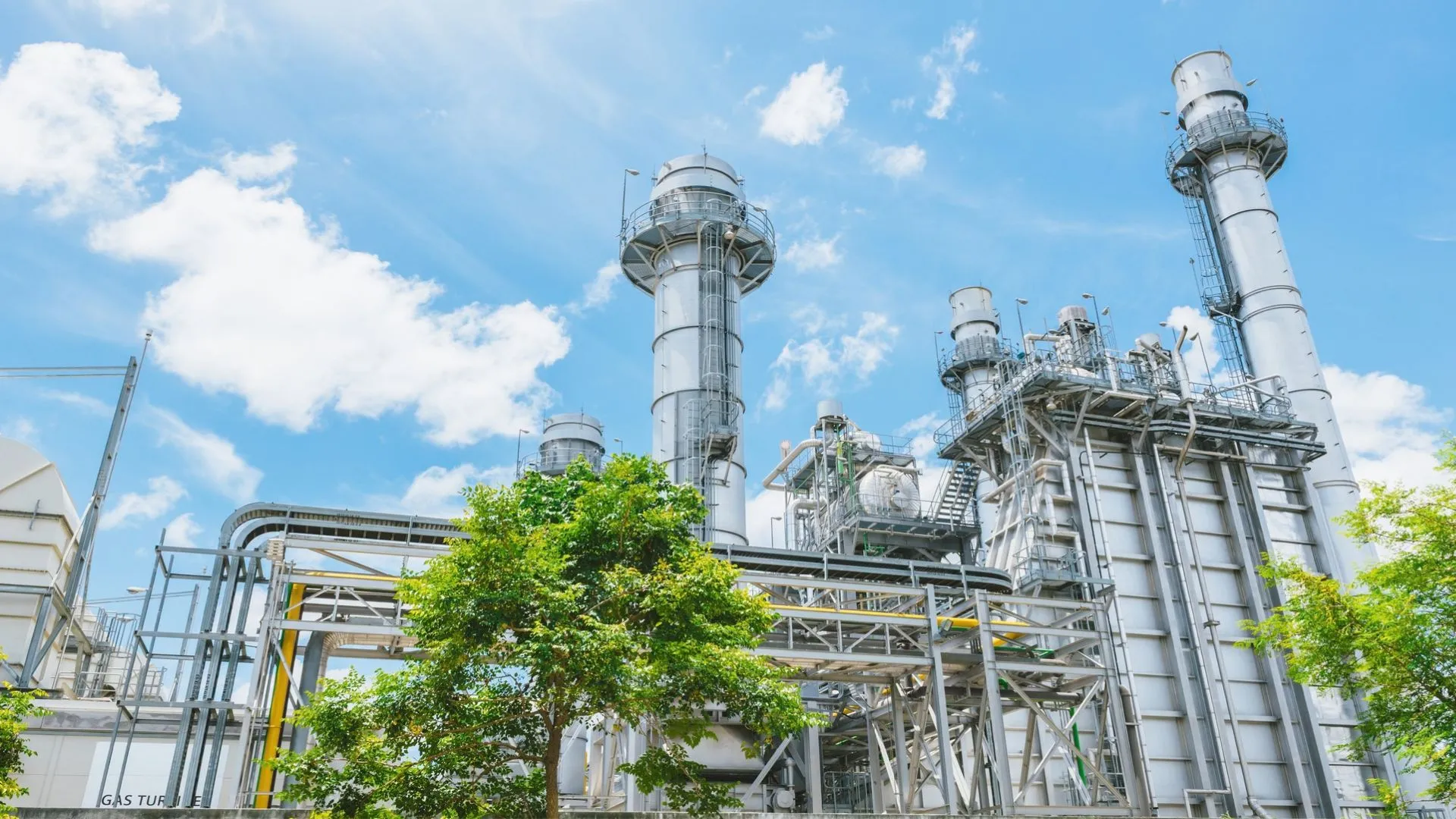
Keep aside lithium-ion battery banks for a moment. China is banking on molten-salt storage and super-pressurized gas to keep its power grid stable as demand rises.
Construction is reportedly underway on the Ruitan demonstration project at Shandong’s Bajiao power station.
It is said to be the world’s first utility-scale facility combining supercritical carbon dioxide power generation with molten salt thermal energy storage.
The facility is expected to be operational next year. It integrates a 50-megawatt supercritical carbon dioxide power generation unit with a 100-megawatt, 400 megawatt-hour molten salt energy storage system.
Power grids are volatile, fickle things. When factories power down at midnight, standard coal plants waste vast amounts of energy just to stay spun up.
The Ruitan facility operates like a thermal vault. During periods of low demand, the facility converts surplus power from coal units into stored heat using molten salt. When peak demand strikes, this stored heat powers a supercritical carbon dioxide unit to generate efficient electricity and maintain grid stability.
sCO2 units are water-free, more compact, highly efficient, lower in carbon emissions, and can adjust load four times faster than coal units.
Compared to standard power plants that boil water into steam to drive turbines, supercritical systems use carbon dioxide pressurized into a dense state with both gas and liquid properties.
This fluid directly powers turbines inside a closed-loop system that requires zero water and runs with higher efficiency and lower carbon emissions. Interestingly, the technology offers four times the load-adjustment speed of conventional coal units and can draw heat from diverse sources like solar, geothermal, or industrial waste.
Source link