This is California Wire, a weekly newsletter from Jeff St. John on the state’s clean energy transition. Subscribe to get it every Wednesday via Substack.
Hi everyone! Welcome back to California Wire. Last Thursday, I took the train up to Sacramento to participate in a panel at the California Energy Storage Alliance’s annual conference. The topic was grid-scale lithium-ion batteries, and how to reassure communities that they’re safe neighbors.
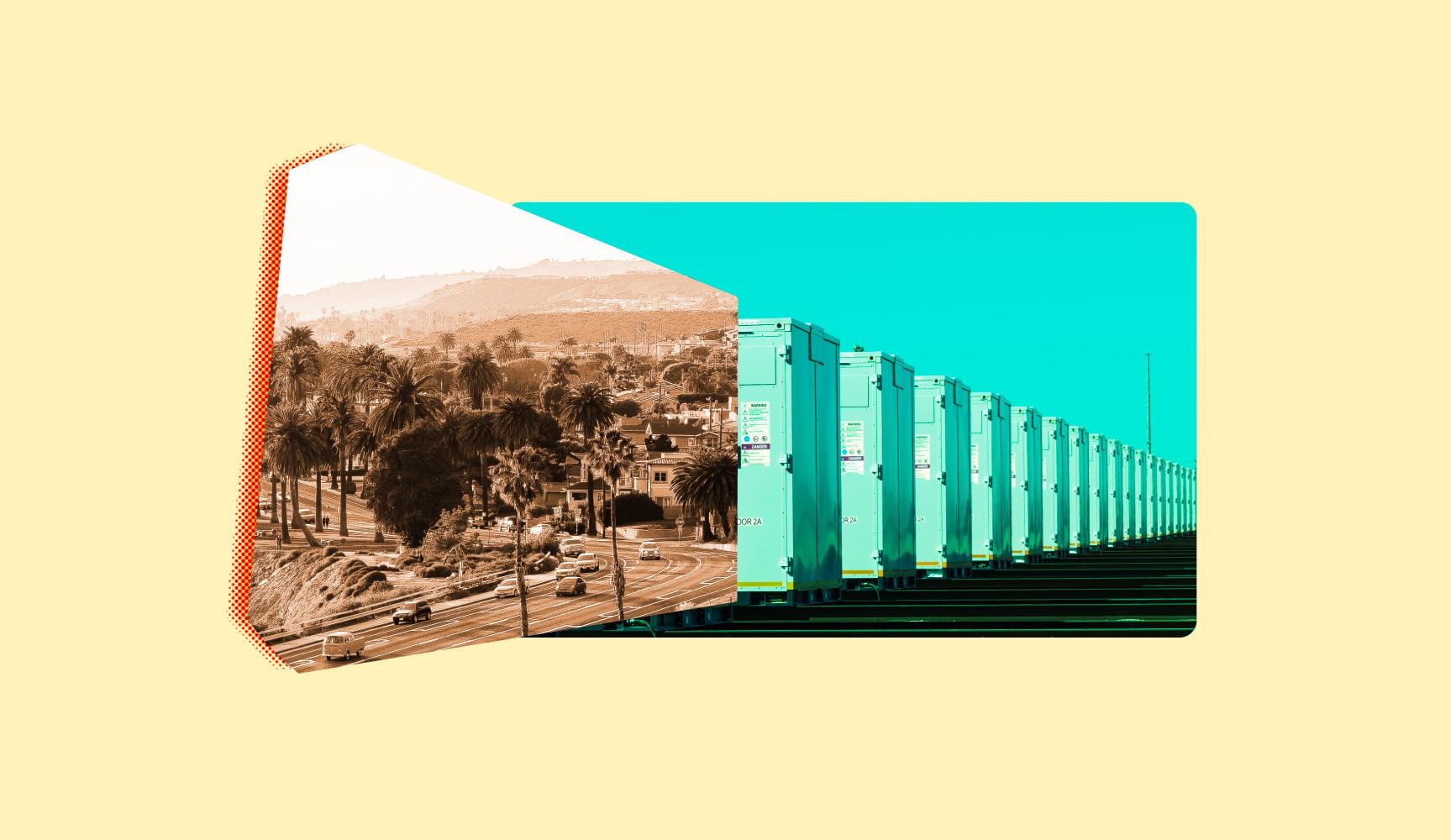
California has more grid batteries than any state except Texas — a massive 21 gigawatts of capacity. But as battery installations have surged, so has public opposition, with city governments moving to limit or ban new battery projects.
In the past few years, a handful of high-profile fires in California have fanned fears about battery safety. Most notably, in January 2025, an installation at Moss Landing burst into flames, forcing nearby residents to evacuate — and then, just last month, it ignited again. Also last month, a fire at a much smaller battery system led to evacuations in the city of La Verne.
These incidents spread like, well, wildfire on social media, where misinformation abounds. But California needs to more than double its current battery capacity by 2045 to meet its climate goals, so it’s important that we figure out how to engage with local communities to make sure they know the facts.
On Thursday, I and my fellow panelists talked about some ideas for how to do this. To start with, California Energy Commissioner Noemí Gallardo cited compelling new data from the Electric Power Research Institute showing a 98 % decrease in lithium-ion grid battery failures across the world from 2018 to 2025 , making them about as reliable as the big oil-filled transformers at grid substations.
Source link