
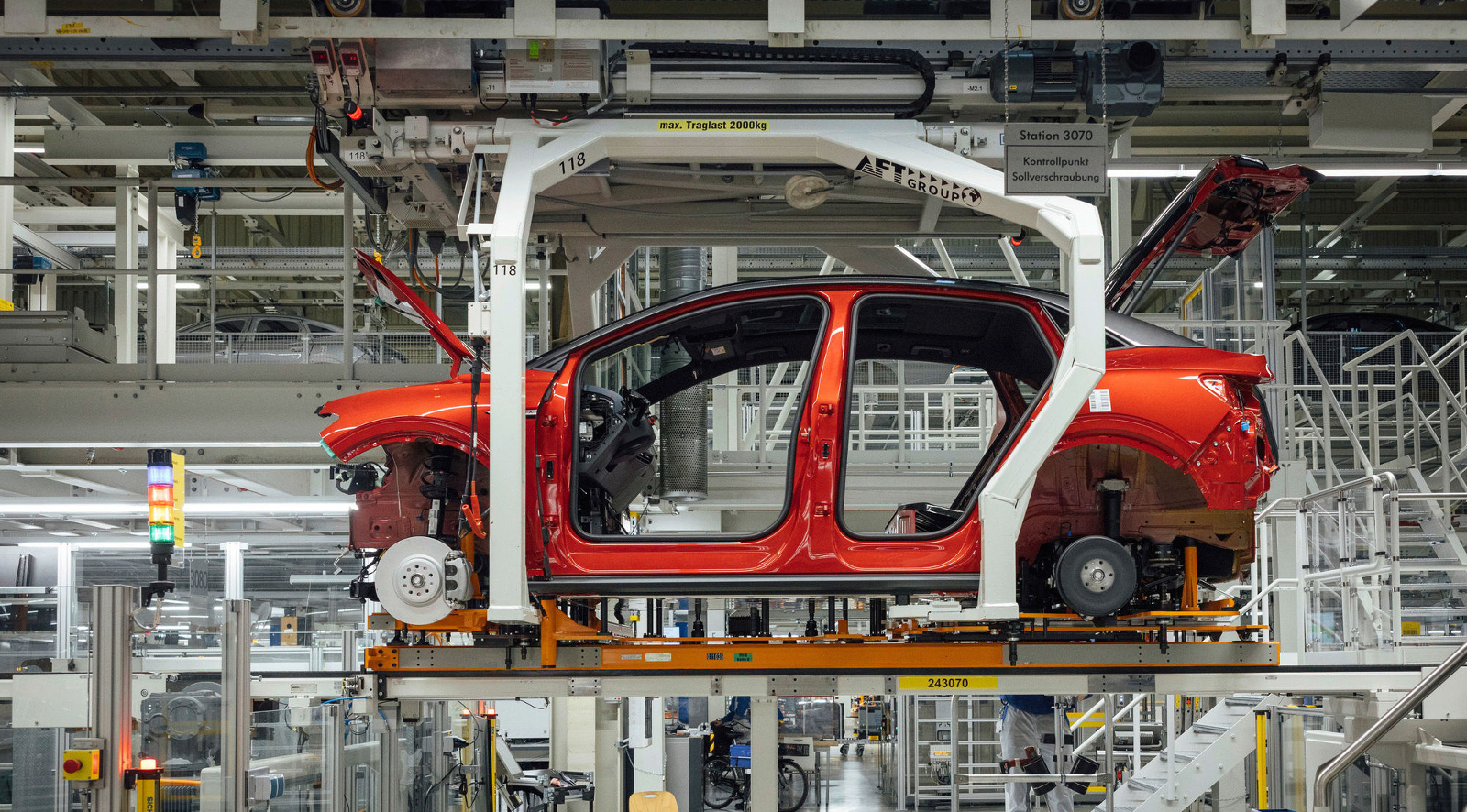
Volkswagen Group is desperate to cut costs. As recently as 2023, the company had an operating profit of €22.6 billion, but by 2025, that number had been slashed to €8.9 billion. 2026 may be half of that. In today’s market, it has more factory capacity in Germany that it needs, which has led to a proposal to shutter as many as four of them and reduce its domestic workforce by 50,000 workers. Globally, it plans to eliminate up to 100,000 jobs over the next four years. It expects its austerity plans to create €20 billion in savings across its entire value chain by 2030, while lowering overhead costs by €11 billion. Reportedly, it plans to stop making half of its existing models.
On September 30, 2026, Volkswagen Group announced it was terminating many of the wage provisions it agreed to in December, 2024 with IG Metall, the union that represents many of Volkswagen’s workers. According to Reuters, the terminated provisions included wage agreements that cover more than 100,000 workers at Volkswagen’s primary factories in Germany. Those agreements govern such things as working hours and holiday pay, provisions that IG Metal sees as benefits it won for workers after long and often contentious negotiations with the company.
The last time Volkswagen cancelled parts of its collective bargaining framework with the union was in September, 2024. That triggered a wave of strikes that culminated in a landmark labor deal in December, 2024 that included 35,000 job cuts. Part of that agreement provided either side could revisit the terms of the agreement if there was a material change in circumstances.
Source link