This article has been reviewed according to Science X's editorial process and policies. Editors have highlighted the following attributes while ensuring the content's credibility:
The mining industry is shifting toward battery-powered equipment to improve efficiency, but lithium-ion batteries pose risks due to their high energy density. They can fail, overheat and, in some cases, catch fire, releasing toxic emissions.
By combining three modeling approaches to build virtual mining systems, Penn State researchers now more comprehensively understand how to predict and mitigate lithium-ion battery fires in mines before they spread, endangering miners and halting operations.
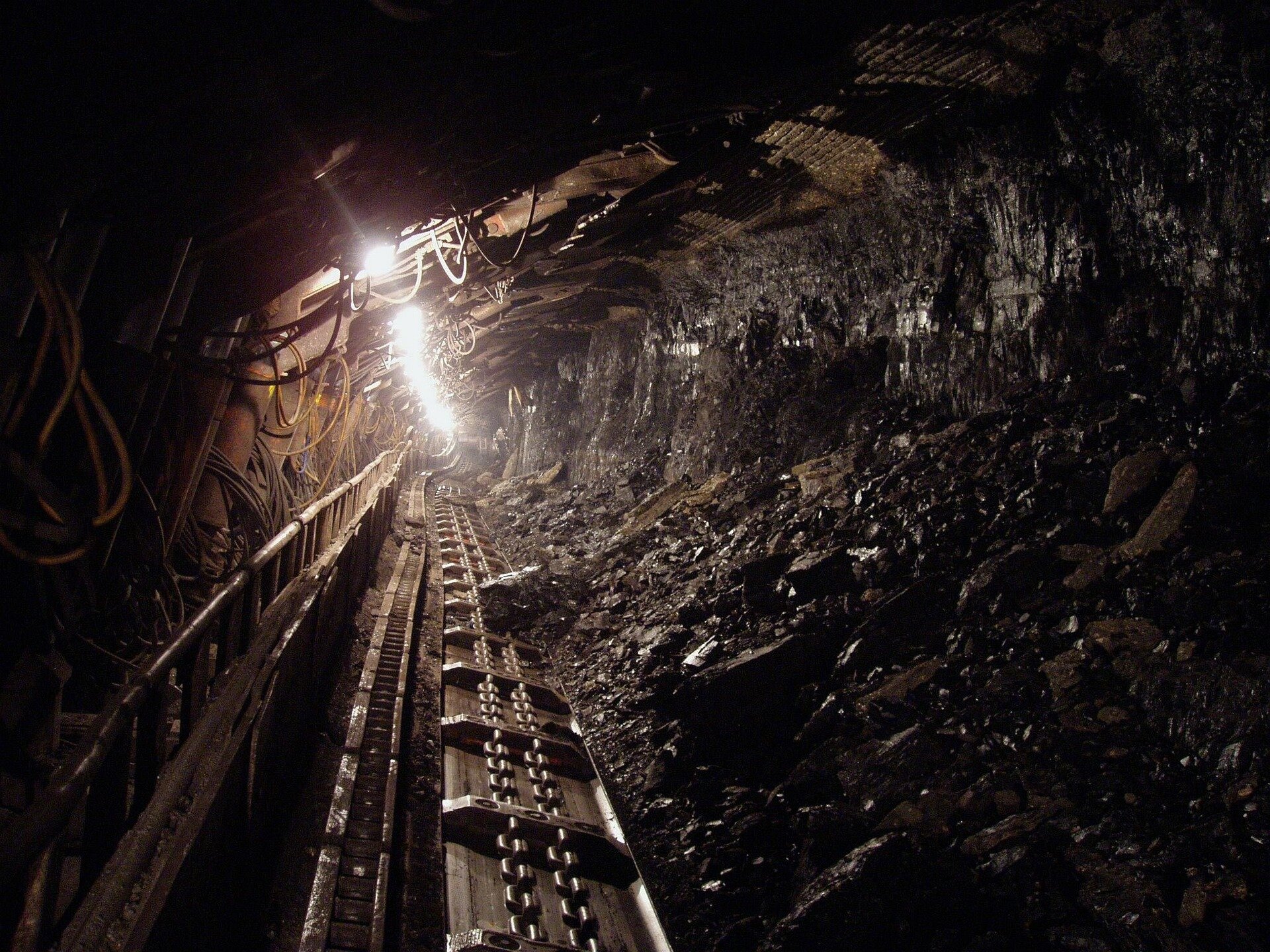
The team used computational fluid dynamics (CFD) modeling, which enables a better understanding of how dynamic materials move around structures, to build virtual underground room-and-pillar mine environments. These represent one of the most common types of mine systems, where deposits, such as coal, are excavated in a grid that leaves large, unmined columns of the material to support the weight of the overhead rock.
They then trained deep learning models to better understand how temperature, smoke and carbon monoxide evolve under different ventilation conditions in the virtual mines.
The findings, published in Process Safety and Environmental Protection, have immediate implications for how to deploy automated control systems to promote safety and operational resilience in mining systems electrified by lithium-ion batteries, according to the researchers.
Khadija Omar Said, a doctoral student in the John and Willie Leone Family Department of Mineral and Energy Engineering and lead author of the paper, said that integrating battery-electric vehicles (BEVs) with physics-informed artificial intelligence and automated control systems is essential for the next frontier of mining.
Source link