This article has been reviewed according to Science X's editorial process and policies. Editors have highlighted the following attributes while ensuring the content's credibility:
Cornell researchers, working with upstate New York battery company Charge CCCV, also known as C4V, have developed a real-time diagnostic approach to improve one of the most expensive and time-consuming stages of lithium-ion battery manufacturing: forming the battery.
The approach can reduce formation time by more than half, free up factory floor space and reduce a manufacturer's overall power use by 10% to 15%, saving up to $100 million annually in large operations, the research team said.
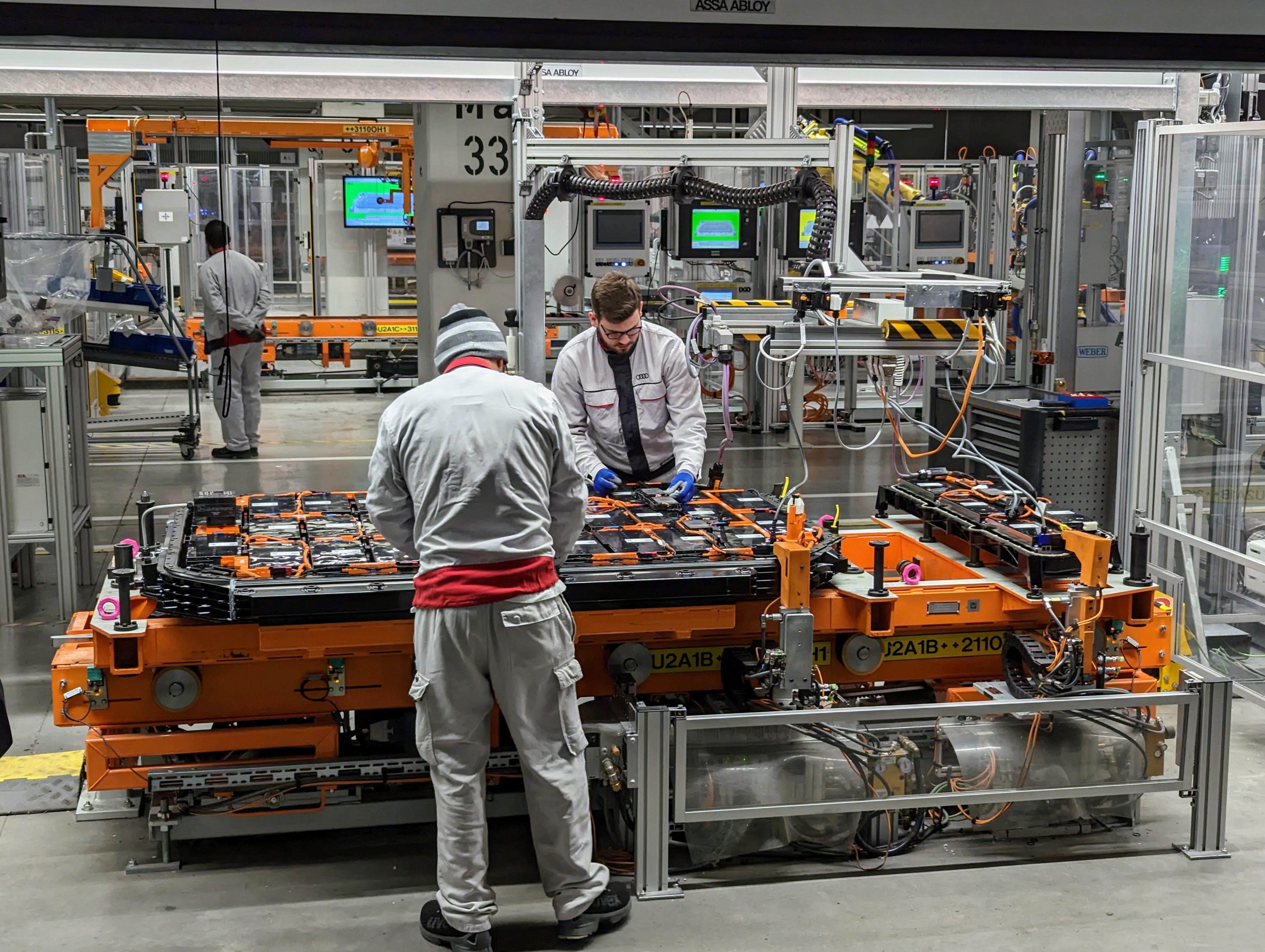
The battery formation process involves a series of initial charge and discharge cycles that create protective layers and help determine how well a battery will perform over its lifetime. The process accounts for roughly one-third of production costs and a quarter of factory floor space.
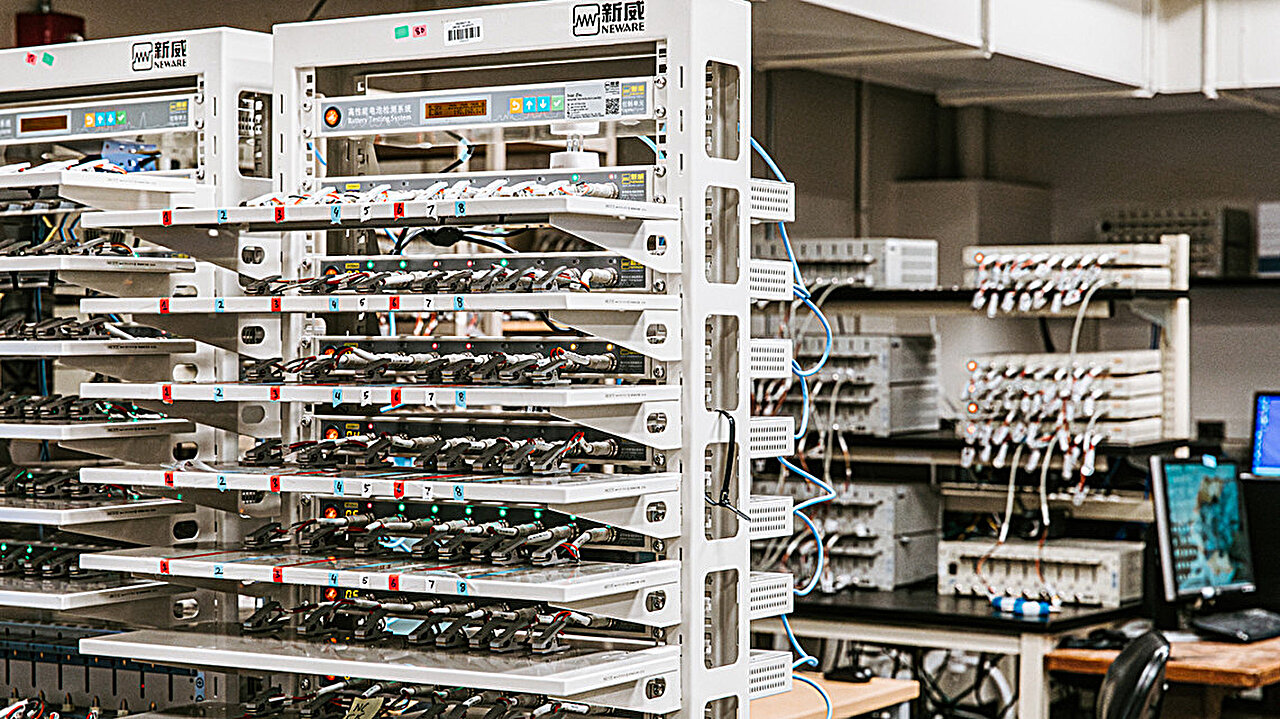
Research published in the journal Energy Storage Materials shows how researchers—including lead author and graduate student Jantakan Nedsaengtip, M.S.—used real-time measurements to watch what happens inside batteries during formation. It's a view that manufacturers traditionally lack.
"Evaluating formation processes is typically very trial and error," said the paper's principal investigator Vibha Kalra, the Fred H. Rhodes Professor of Chemical Engineering at the Cornell Duffield College of Engineering. "It can take months to years to effectively evaluate long-term performance because you're letting the battery run for thousands of cycles."
Through the National Science Foundation's NSF Energy Storage Engine in Upstate New York program—based at Binghamton University with Cornell serving as a core partner for technology translation—Kalra's lab teamed up with C4V, which provided battery materials the company wanted to study at its operations in Binghamton, New York.
Source link