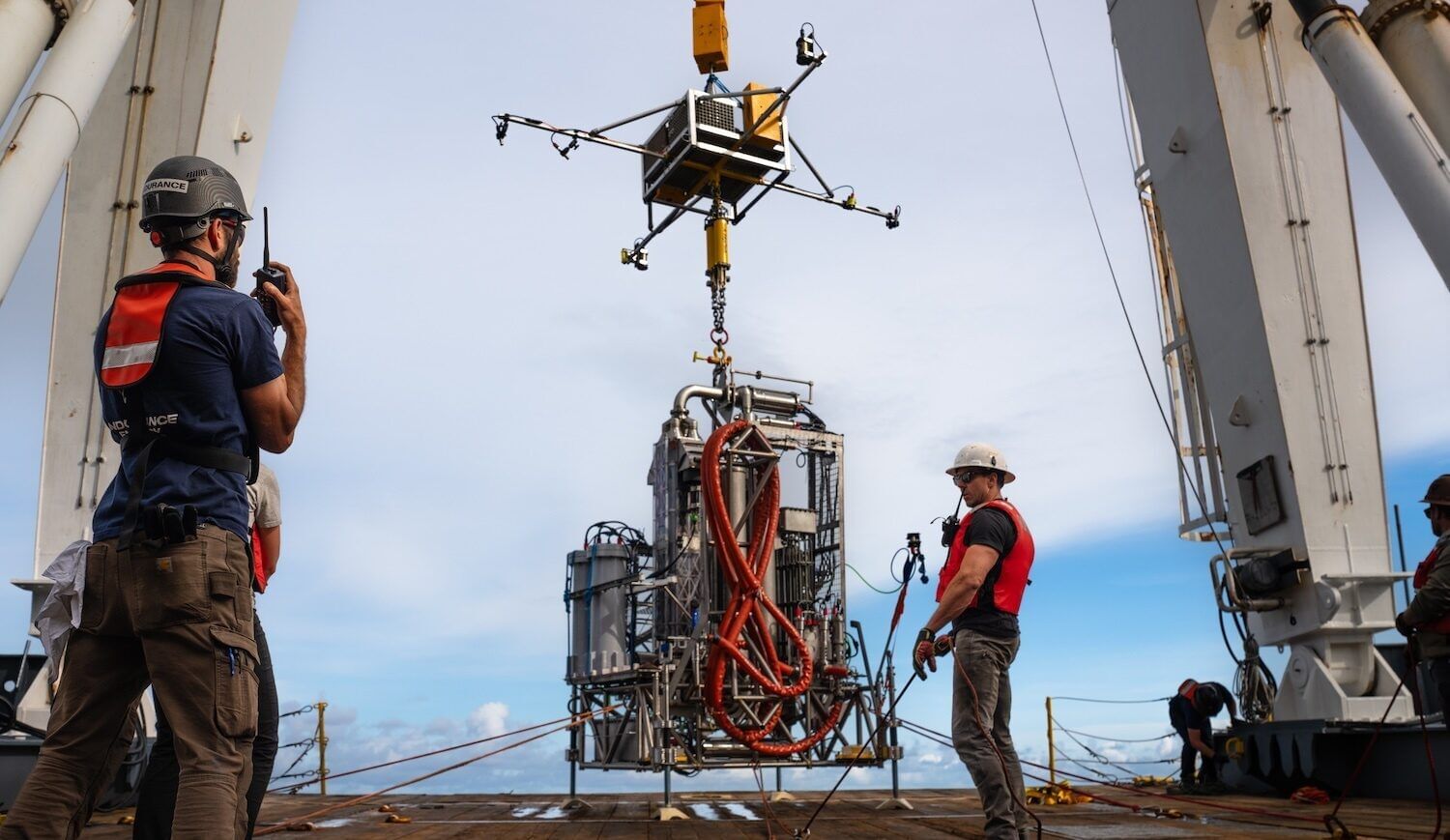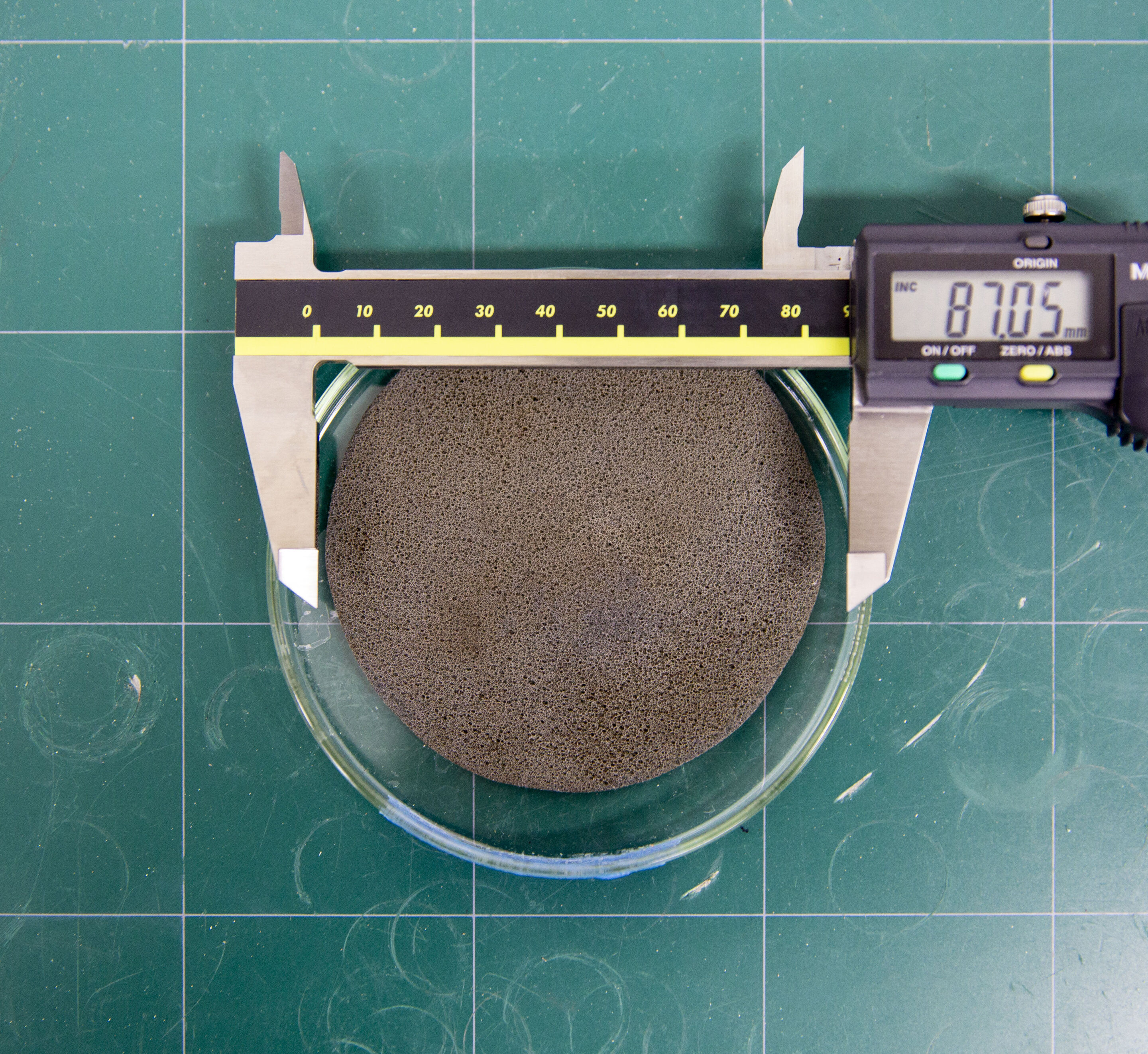

Verdox has completed a useful industrial demonstration at Hydro’s Sunndal aluminum smelter in Norway. During a two-month test, its electrochemical process captured carbon dioxide from exhaust containing only about 1% CO₂ and operated in the presence of contaminants found in real smelter gas. Hydro’s investment and continued work with Verdox give the trial more weight than a laboratory demonstration or a technology-company test carried out on a prepared gas stream.
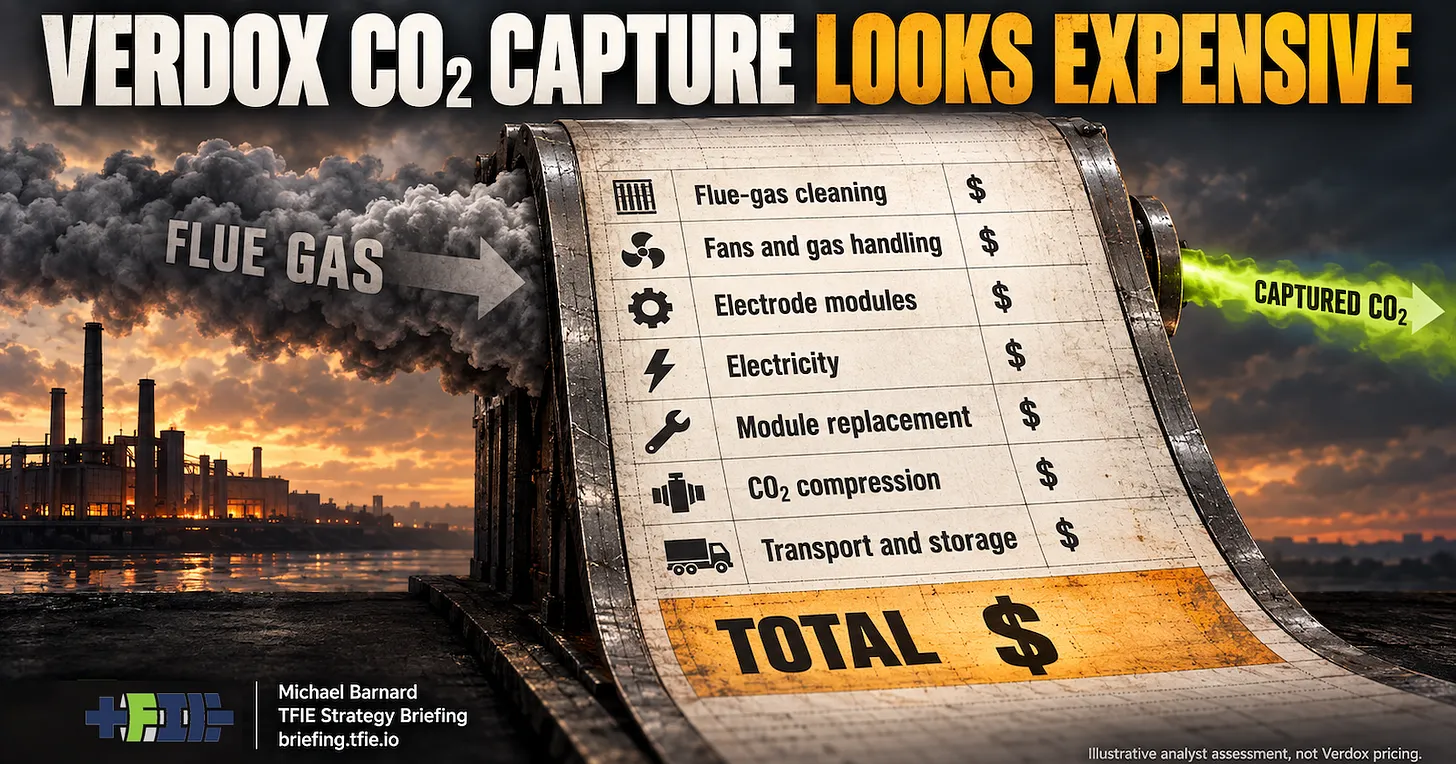
The demonstration establishes that the capture chemistry can operate in a relevant industrial environment. It does not establish what a commercial installation would cost, how much electricity the complete plant would use, how long finished capture modules would last, or what equipment would be required to move and condition the enormous volume of dilute exhaust. Those are the issues that determine whether the technology becomes an industrial business rather than an interesting capture process.
I worked through those questions in a TFIE Strategy Briefing assessment of Verdox at Hydro’s Sunndal smelter, separating the published technology evidence from the additional engineering needed to get captured CO₂ all the way to permanent storage.
Concentration drives much of the problem. When carbon dioxide is only about 1% of the incoming stream, almost all of the gas being handled is nitrogen, oxygen, water vapour and other constituents rather than the molecule being captured. Commercial equipment has to move that gas through cleaning systems and capture modules while controlling pressure losses, contaminants and flow distribution. The size and power demand of fans, ducts and pretreatment equipment belong in the economics even when the electrochemical separation itself performs well.
Source link