
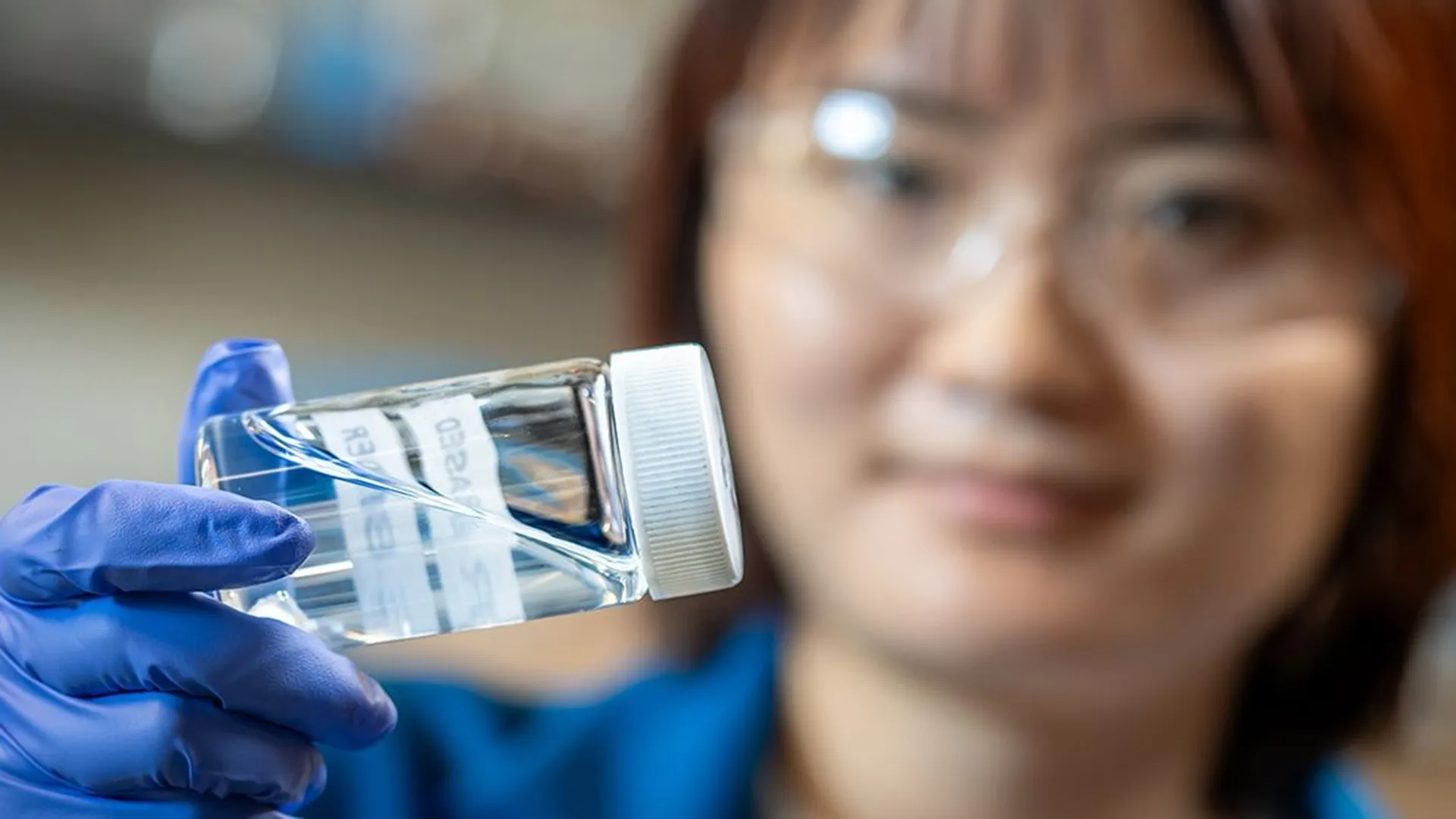
Researchers at the University of California San Diego and Toyota Research Institute of North America have developed a fluorine-free binder that could make lithium-ion batteries easier to manufacture and recycle without compromising performance.
The new binder uses water instead of toxic solvents during battery production. It also allows valuable electrode materials to be recovered by simply soaking them in water, eliminating the need for harsh chemicals or high-temperature treatment to remove the binder.
In laboratory tests, batteries made with the new material matched the initial performance of conventional lithium-ion cells and retained their capacity longer after hundreds to thousands of charging cycles.
The research offers a potential way to reduce manufacturing waste, energy consumption and recycling costs as demand for lithium-ion batteries continues to grow.
Binders are glue-like materials that hold electrode particles together and attach them to thin metal foils inside batteries. Although they account for a small fraction of battery weight, they play an important role in manufacturing, durability, and recycling.
Conventional lithium-ion batteries typically use fluorine-containing binders because they provide strong adhesion and remain stable through repeated charging and discharging.
However, these materials require toxic solvents during manufacturing. Large ovens are then used to dry the electrodes, followed by additional processes to recover and purify the solvents.
“Those extra steps significantly increase the cost and energy use — as well as the environmental impact — of battery manufacturing,” said Jiao Lin, the study’s first author and a postdoctoral researcher at UC San Diego.
The binders also create problems during recycling because they leave behind residues that require high temperatures or corrosive chemicals to remove.
Source link





