Global underground carbon dioxide storage reached an annual record of 43.6 million metric tons in 2024, bringing cumulative historical storage to 421.7 million tons over the past three decades, according to the 2026 Annual Report from The London Register of Subsurface CO2 Storage.
Led by researchers at Imperial College London alongside an international academic and industry consortium, the updated Register expanded its scope to track 70 operational projects across 17 countries. Annual reported geological storage has more than doubled since 2016, driven by expanded industrial point-source capture and early-stage atmospheric removals.
Projects in the United States represented the largest concentration by project count, with 23 facilities accounting for 20.2 million tons in 2024. Brazil’s Petrobras Santos Basin Pre-Salt Oil Field maintained its position as the world’s single largest operational project, storing 14.2 million tons, or approximately one-third of the global annual total.
China recorded 1.7 million tons in 2024, anchored by the Shengli and newly added Daqing Aonan oilfields, while Australia reported 1.7 million tons following the integration of the Moomba CCS facility.
The 2026 edition incorporates retroactively revised figures to address recycled gas volumes and reporting overlaps. Imperial College researchers adjusted cumulative storage through 2023 down from 351.4 million tons to 342.0 million tons and revised the 2023 annual storage total from 45.2 million tons down to 41.7 million tons.
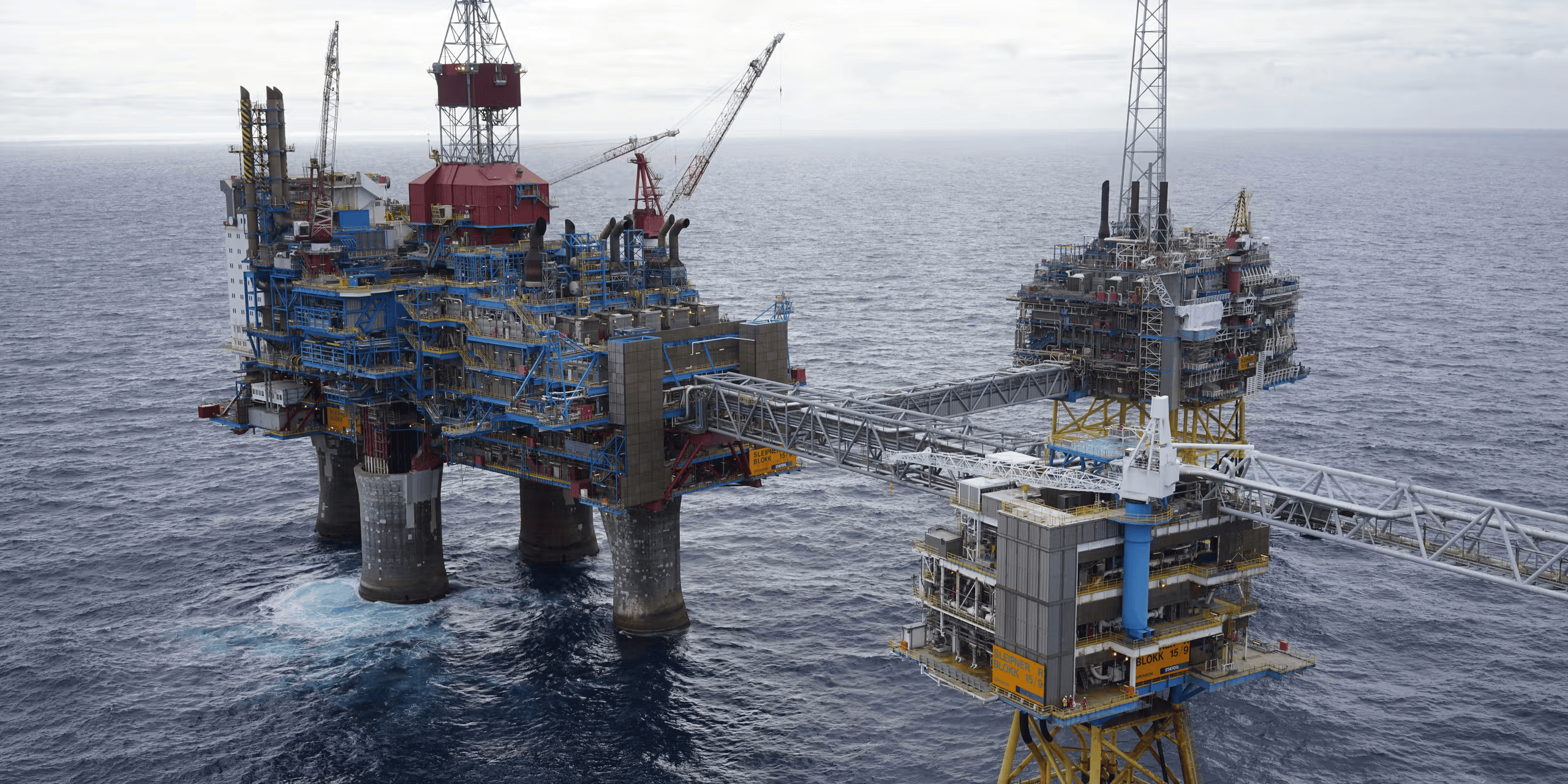
The methodological adjustments resolved a previous double-counting overlap between company-level and project-level filings, adjusted recycled CO2 volumes at the North Burbank Unit, and integrated updated national inventory figures for Norway’s Sleipner project.
Source link