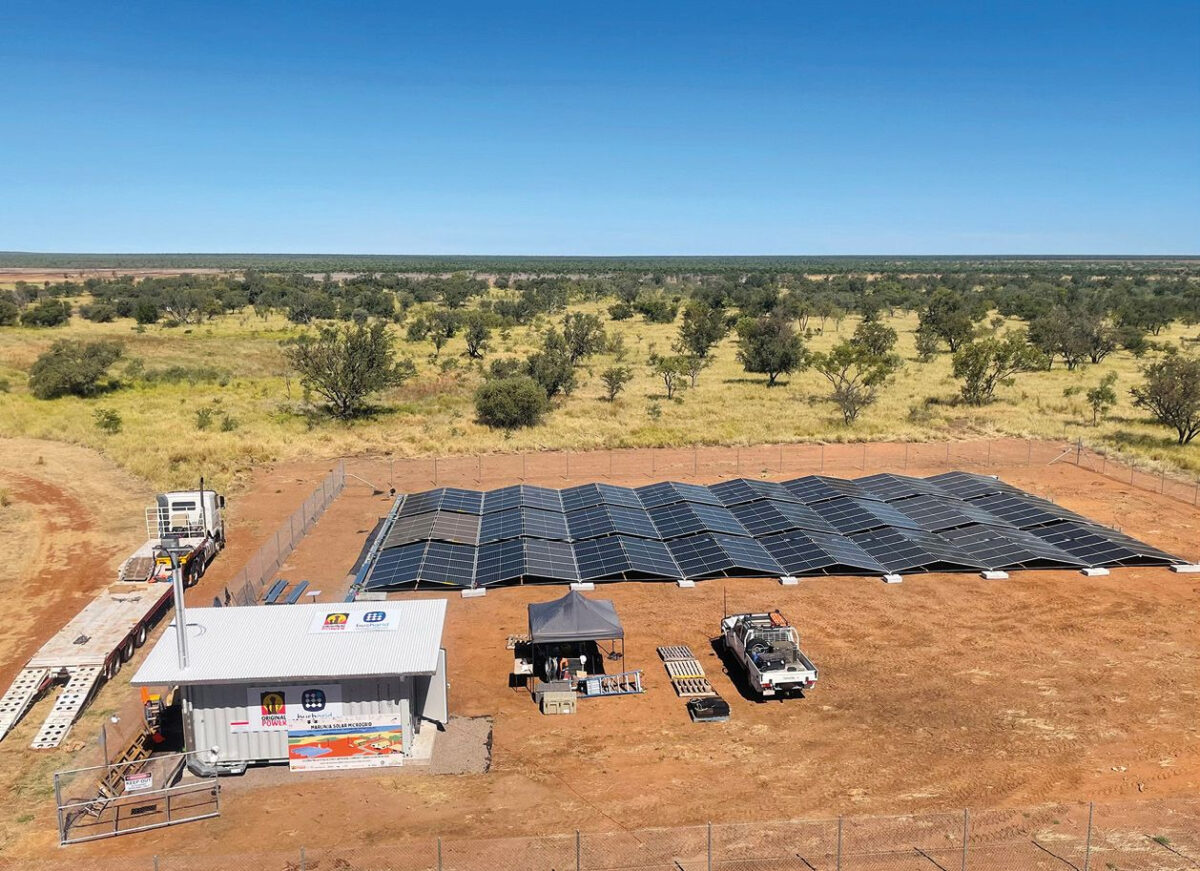
A research team from the University of New South Wales (UNSW) in Australia has compared the performance of east-west ground-mounted PV systems with that of conventional single-axis trackers (SATs), finding that east-west installations can experience up to 40% lower rates of certain degradation mechanisms.
“We investigated how improved thermal modelling can provide more accurate predictions of PV module operating temperatures and associated degradation rates, with a particular focus on the innovative Maverick east-west ground-mounted systems developed by Australian company 5B,” corresponding author Bram Hoex told pv magazine. “Heat transfer coefficients for the east-west system were found to be comparable to those of single-axis trackers, indicating similar cooling characteristics. However, east-west systems operate at lower module temperatures due to reduced plane-of-array irradiance compared with tracking systems.”
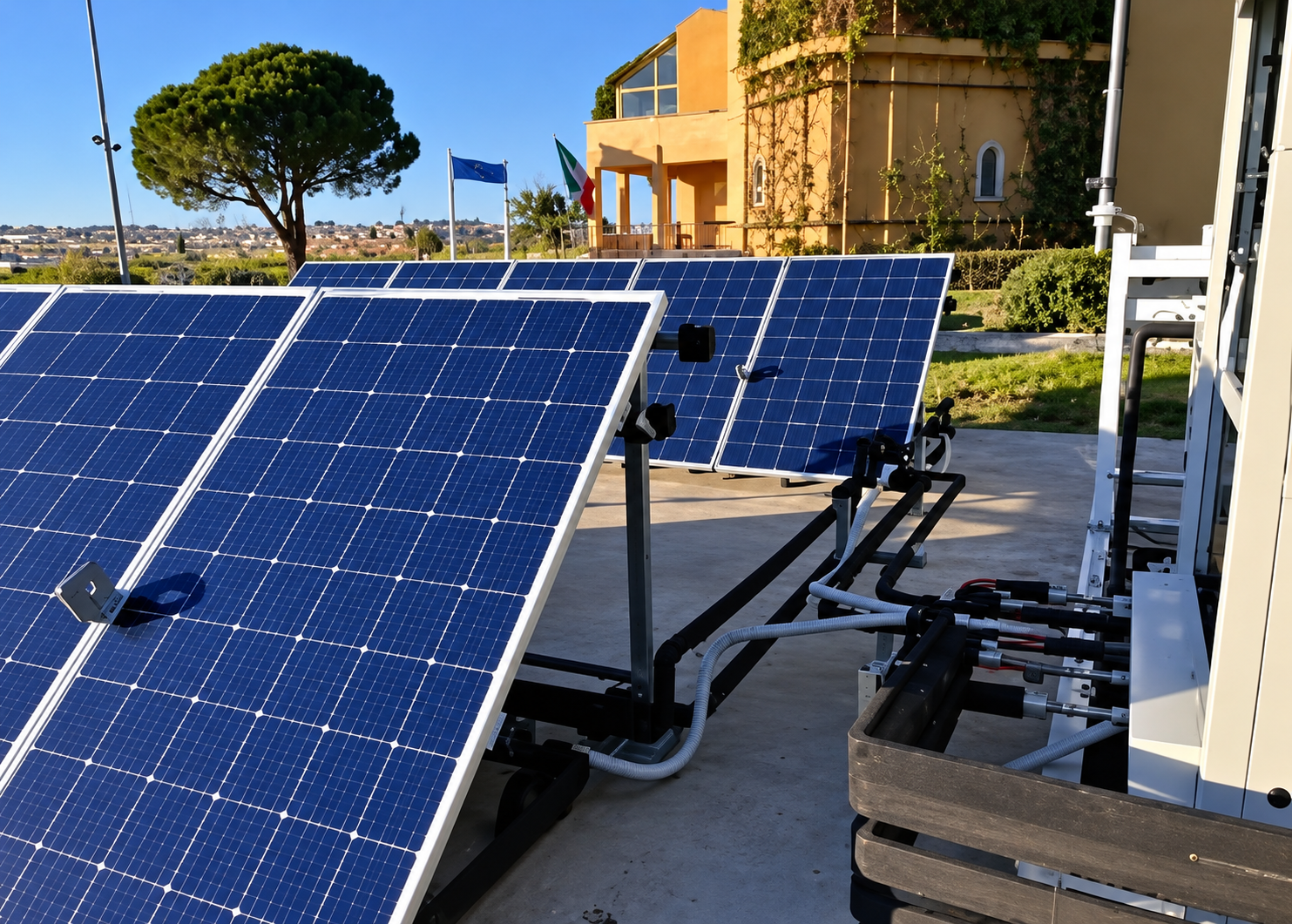
The Maverick system is a prefabricated, relocatable ground-mounted PV solution designed for rapid deployment with minimal on-site labor. Each modular unit comprises up to 90 solar panels mounted on frames that unfold in a concertina configuration, with modules tilted at 10 degrees. The system features preconfigured electrical connections, a compact footprint, high power density, and minimal ground penetration requirements, making it suitable for sites with limited usable land or challenging terrain. Its modular design also allows deployment on previously underutilized land, such as mine waste rock dumps. In 2024, the technology was deployed in a 16.9 MW solar installation comprising 342 Maverick units at the Jundee gold mine in Western Australia.
The UNSW researchers explained that the system’s low tilt angles enable greater ground coverage and higher energy density per unit of land, while its prefabricated design simplifies installation.
Source link