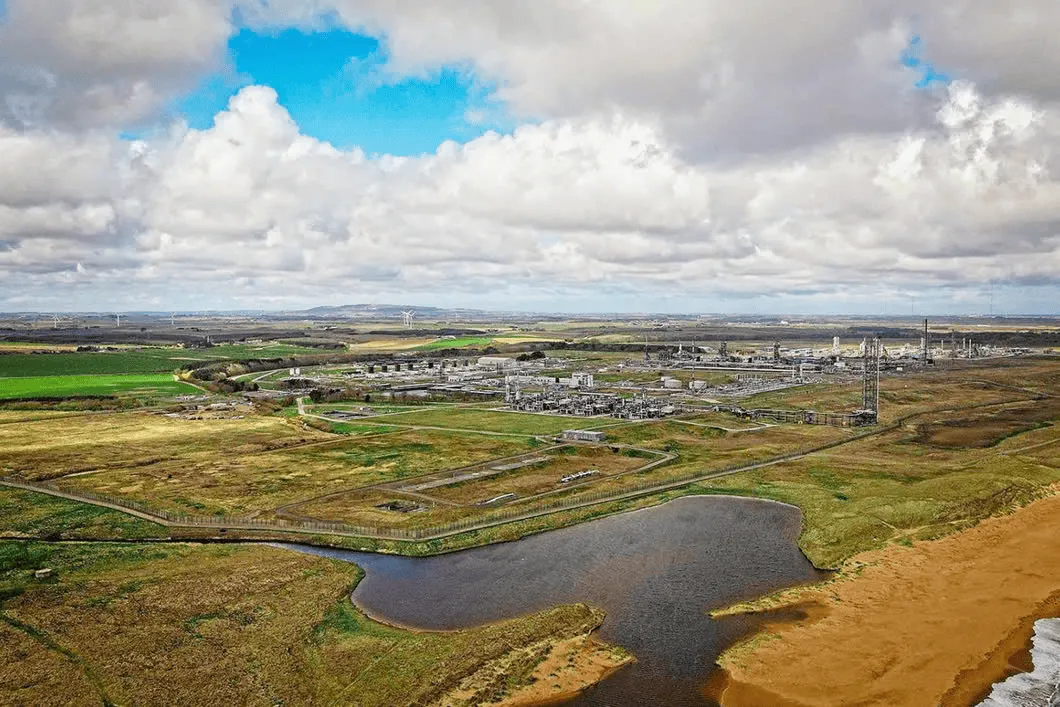
The UK Government has reduced its capital grant funding for carbon capture, utilization, and storage (CCUS) by £200 million ($269 million) in its latest Budget statement, reallocating resources toward defense expenditure and leaving the flagship Acorn CCS project in St Fergus, Scotland, without a confirmed funding commitment.
While grant funding was protected for priority deployment clusters in Teesside, Merseyside, North Wales, and the Viking project in the Humber, the Acorn development was excluded from direct capital support. Government ministers stated they are examining whether alternative private investment, public loans, or equity co-investments could support the project’s long-term commercial structure.
The decision represents a strategic shift from previous policy assurances provided in June 2025, raising questions regarding the operational timeline for North-east Scotland’s primary industrial decarbonization anchor.
Russell Borthwick, Chief Executive of the Aberdeen & Grampian Chamber of Commerce, characterized the decision as a setback for North Sea supply chains and energy transition efforts, noting that the region requires clear project commitments to safeguard engineering jobs and maintain momentum across subsea and offshore wind infrastructure.
Tax and advisory experts from MHA highlighted that the absence of a defined replacement financing structure creates uncertainty for private capital allocations across regional supply chains.
Additionally, construction and engineering executives from BAM UK & Ireland and AECOM noted that while broader national infrastructure targets remain ambitious, the lack of immediate delivery plans for key industrial assets risks slowing workforce development, apprenticeship funding, and private sector co-investment.
Industry focus has shifted toward the government’s upcoming 10-year infrastructure strategy, where stakeholders expect further details on how the National Wealth Fund and regional devolution frameworks will be leveraged to mobilize private capital for deferred energy transition assets.
Source link