

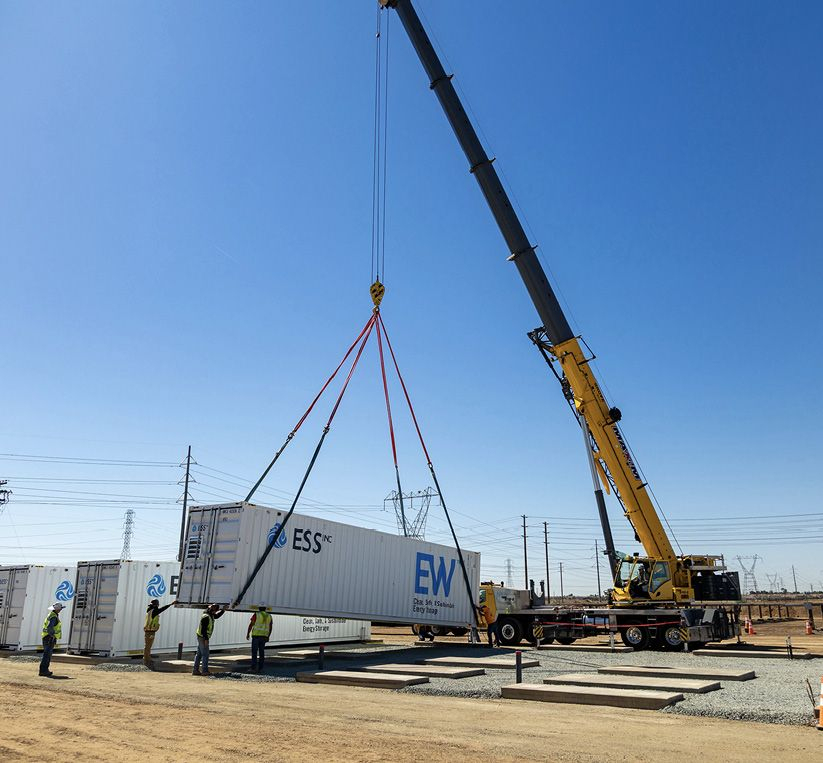
Sodium-ion battery cells are manufactured on largely the same equipment and process steps as lithium cells, which has helped scale production faster than alternative chemistries like flow batteries or nickel-hydrogen. As cell capacity increases, projects are now validating the applicability and value of the non-lithium chemistry.
But, while capacity was built, American project requirements changed. Domestic content thresholds and foreign-entity-of-concern restrictions now heavily influence what a developer can use, while optimizing project economics. Duration and dispatch requirements have long determined technology and engineering choices, but new requirements, coupled with an increased focused on safety, permitting, and general risk assessment, are creating a new model for evaluating battery energy storage. Duration and dispatch profiles are set by the project now, and the equipment has to be designed for them.
Domestic content requirements, Bulk-Power orders, and FEOC restrictions have turned procurement documentation into a complex evaluation balancing engineering, procurement, economic, and safety deliverables. Developers need to trace cell origin, the cathode/anode material sourcing, the location of cell finishing and system integration, PCS, and the corporate ownership of every entity along that chain.
Sodium-ion has structural advantages here, because it sidesteps concentrated mineral supply chains that otherwise constrain lithium, nickel, cobalt, and manganese sourcing. Sodium itself is plentiful and is available from North American suppliers. S. manufacturers opening or announcing new sodium-ion lines specifically to fit on the right side of that policy line.
Source link





