
Reliable, affordable electricity is essential for many of the products and services that underpin the modern economy. But the sources of that electricity—and their respective merits and risks—are increasingly the subject of debate and polarization.
A flood of narratives and counternarratives is rising in the media and public conversation about the reliability and affordability of renewables, as well as their impacts on the economy, jobs, and communities. These mixed messages can make it hard to get the accurate information people need as they face important decisions about how they live, spend, or vote.
Here, we answer some common questions about renewable electricity, using the latest evidence, data, and research.
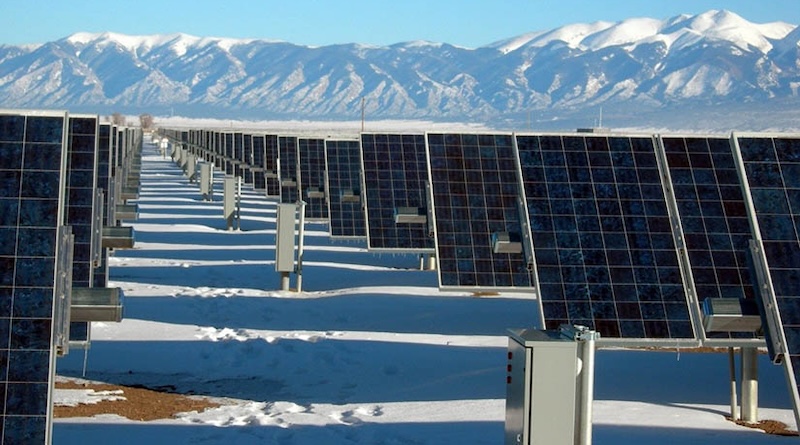
Renewable electricity is power generated from naturally replenishing energy sources, including solar, wind, hydropower, geothermal, and biomass.
Solar and wind are considered “variable,” in that their output depends on weather, time of day, and season. Hydropower, geothermal, and biomass are considered “firm” in that their output is reliably available on demand (although no power plant, whether it uses fossil fuels or renewables, is always available). Experience and modeling show that electricity grids can be reliable, affordable, and clean (low-carbon) by combining high volumes of variable and firm renewables with energy storage and other low-carbon generating sources.
Renewables accounted for around 34% of global electricity generation in 2025, with 15% from hydropower, 8% from wind, and 7% from solar. Wind and solar have grown significantly since 2015, when their shares in global electricity generation were only 3.4% and 1%, respectively.
Still, having been in use for more than a century, fossil fuels remain the dominant electricity generation source globally.
Source link