

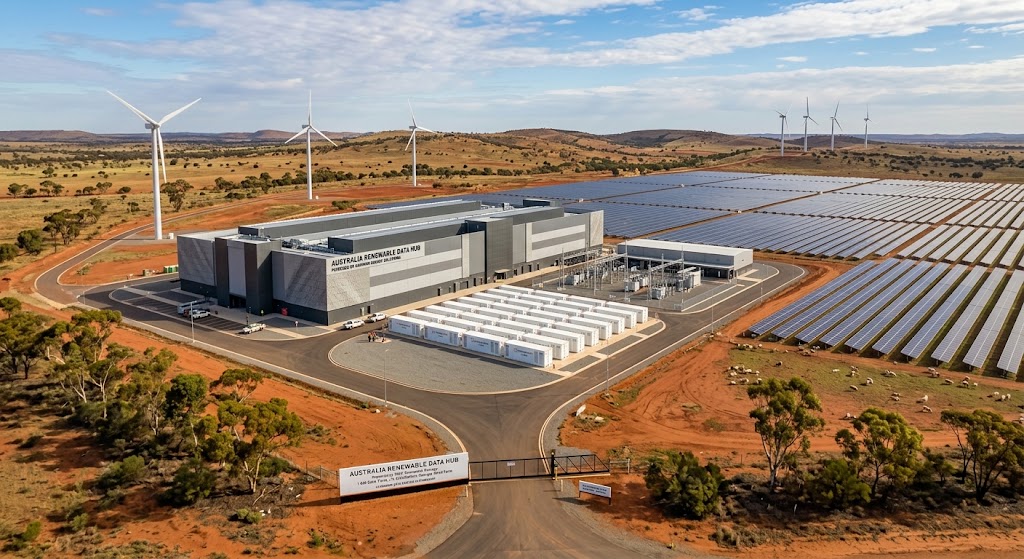
ERM argued in early 2025 that the energy transition was overlooking a critical market: the market for risk. Eighteen months after, and the shift from simply paying for renewable output to demanding firmness and shape is already evident. An example deal being the 600 MW, 12-year South Australian (SA) supply agreement between Firmus and Swiss commodity trading firm Gunvor.
As coal-fired power stations retire, they remove not only physical generation capacity from the National Electricity Market (NEM) but also a significant source of financial hedging products. This will increasingly impact market liquidity of traditional ASX and Over the Counter (OTC) hedging products and drive demand for a new generation of bulk renewable energy, shaping and firming services.
Large renewable energy generators and battery owner-operators can no longer stand on the sideline.
Several intersecting policy initiatives have been driving the transition to a renewable power system in the NEM, with the Federal Capacity Investment Scheme (CIS) taking over from the Commonwealth Renewable Energy Target (RET) Scheme to incentivise pre-2030 investment in renewables and storage alongside the New South Wales (NSW) Long-term energy services agreements (LTESA), Victorian Renewable Energy Target (VRET) Scheme and SA Firm Energy Reliability Mechanism (FERM).
Australia’s renewable energy market is now approaching a significant inflection point. Looking beyond 2030, the Electricity Services Entry Mechanism (ESEM) proposed by the NEM Wholesale Market Settings Review Panel, is expected to become a key driver of long-term investment in renewables and storage.
Importantly, the ESEM is emerging at the same time as Federal and state government policy initiatives.
Source link





