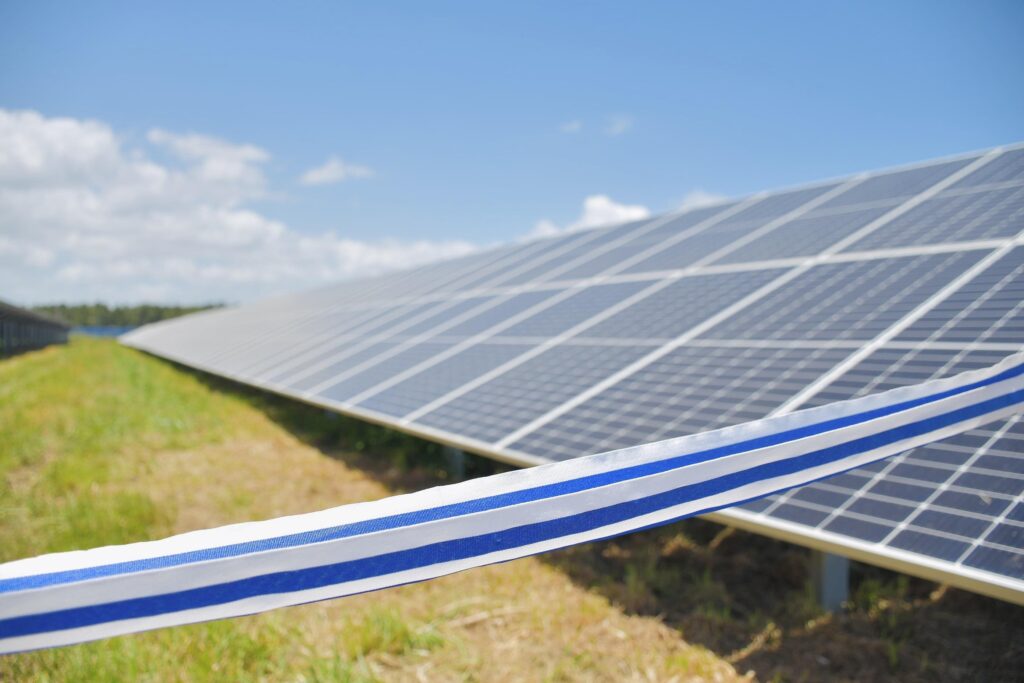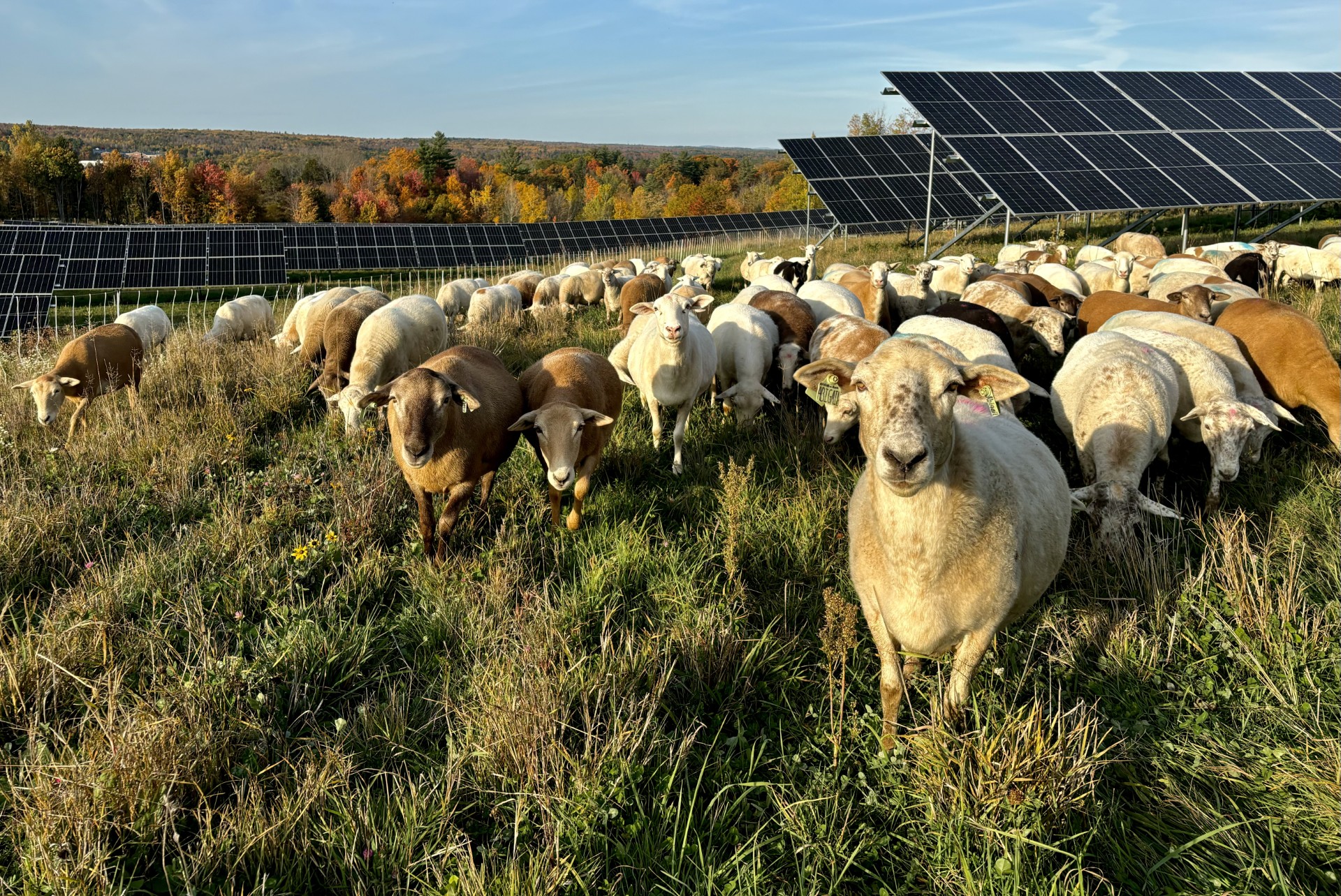
The business of solar grazing, using animals to manage vegetation at solar sites, has taken off in along with the growth of solar in the U.S. According to Stacie Peterson, executive director of the American Solar Grazing Association (ASGA), solar grazing became a business in 2018. This was one year before the U.S. achieved two million solar installations.
The United States Solar Grazing 2024 Census was the first to attempt to capture the full scope and scale of U.S. solar grazing. Conducted by ASGA in conjunction with U.S. Department of Energy National Lab of the Rockies (NREL), the census found that over 113,000 sheep grazed through fields of solar panels on 129,000 acres of land. The 2025 census has not yet been released, but Peterson told pv magazine USA that she believes the numbers have greatly increased.
The ASGA Solar Grazing Map is a resource for solar grazers and solar site operators and developers to connect with each other and build partnerships. Credit: American Solar Grazing Association
What solar grazers bring to solar sites is expertise in agriculture, land stewardship, vegetation management, soil health knowledge and forage and weed knowledge, according to Peterson. Graziers provide additional benefits to solar developers or owners including their connections within the local community and their deep understanding of the land.
Having a regular physical presence at the site is another plus, which Rebekah Pierce, solar grazer and owner of New York-based J&R Pierce Family Farms said has great value to O&M teams. “It’s hard to quantify on paper what being on site means to the O&M team, but we’re there every other day.
Source link