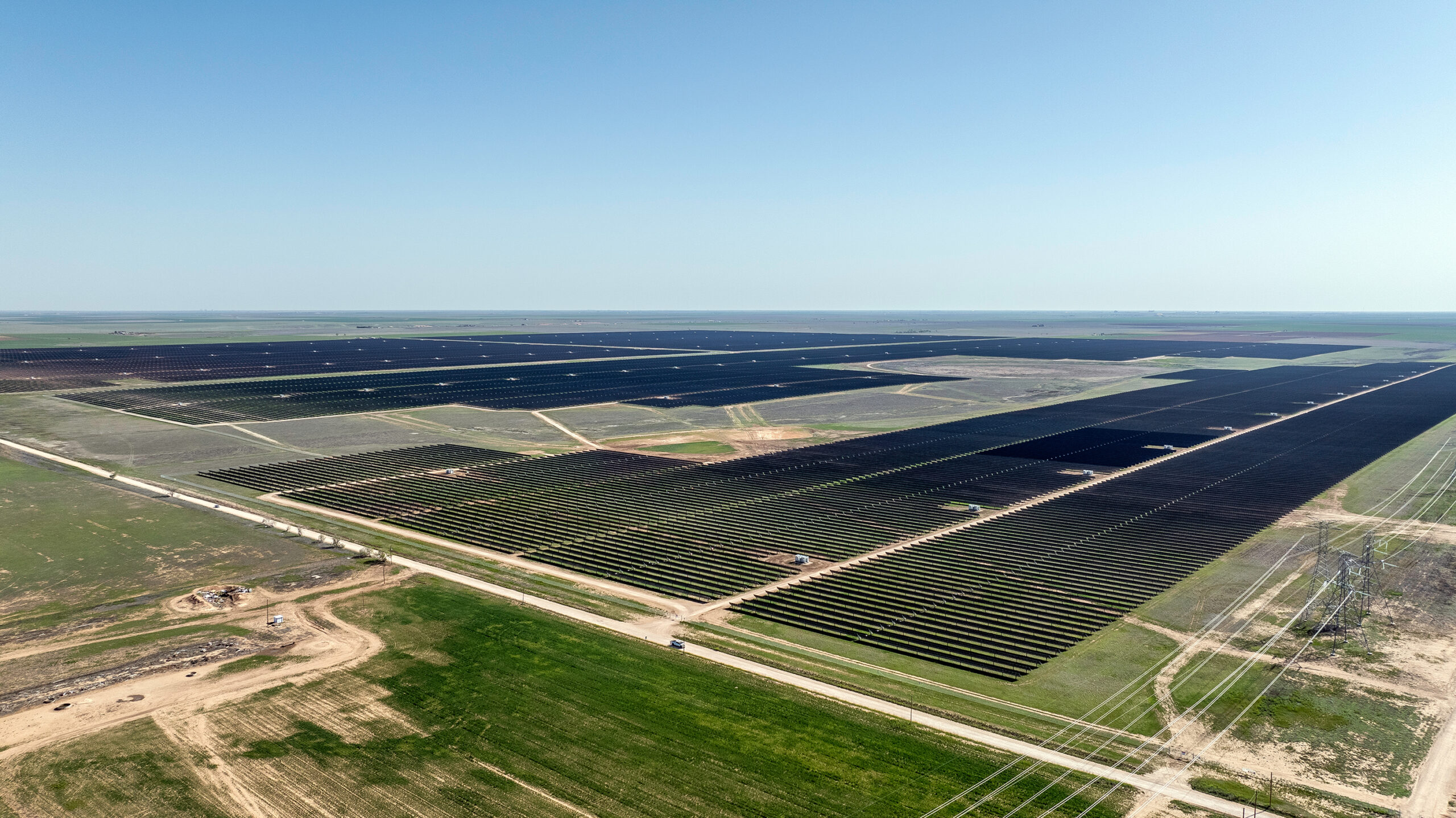
The European PPA market is changing. The simple 10-year, pay-as-produced solar PPA still has its place. Many buyers continue to sign these agreements, often as financial PPAs, because they want a long-term price reference and a credible renewable claim, and are comfortable managing the shape themselves. But for a growing share of the market, that product alone is no longer enough.
As solar penetration has increased, so has cannibalisation. Renewable generation is increasingly concentrated in the same hours, while many buyers need power regardless of when the sun shines. For these customers, a solar-only contract covers only part of their real exposure and leaves them buying the rest on the spot market, including when prices peak.
Hybrid PPAs, combining solar with wind or storage, can help meet that need. They deliver a profile closer to actual consumption and a more predictable cost, which makes the business case easier to build internally. For developers, they open the door to buyers who would never sign a pure solar deal, while preserving more of the value of each megawatt-hour produced. Together, pay-as-produced and hybrid structures let us serve a much wider range of customers.
Europe contracted more than 700 MW of hybrid PPAs in 2025, with much of that activity coming in the second half of the year. 1 GW of hybrid deals were announced, across solar-plus-storage and other multi-technology combinations. These figures cover more than just solar and batteries, but show growing demand for a better generation profile.
Source link