Democrats have finally managed to gain footing in Ohio’s halls of power — a shift that bodes well for clean energy in a state that’s become particularly hostile toward solar and wind.
Last week, voters ended Republicans’ 15-year-long trifecta in Ohio, picking Democrat Amy Acton to be their next governor (and the first woman elected to that office). While the GOP still controls the state House and Senate, Democrats won enough seats to break Republicans’ supermajority in the House, meaning the party can no longer unilaterally override the governor’s vetoes.
From 2011 until now, Republican control of all three branches of state government has increasingly favored the oil and gas industry while limiting the growth of renewable power and scaling back energy-efficiency standards.
Acton campaigned on a different vision. Her affordability plan pledged to promote “the lowest-cost and cleanest sources of energy readily available” and to reinstate energy efficiency measures, renewable portfolio standards, and demand response programs, which incentivize customers to reduce or shift their energy consumption when the grid is strained.
In a Substack post last month, Acton wrote, “Ohio politicians have made it nearly impossible to advance zero marginal cost generation such as wind and solar,” so most of the state’s electricity comes from higher-cost fossil-fuels. “I will reexamine these obstacles that, in the long run, hit Ohio families in their pocketbooks.”
The question is what Acton can actually do to move the needle.
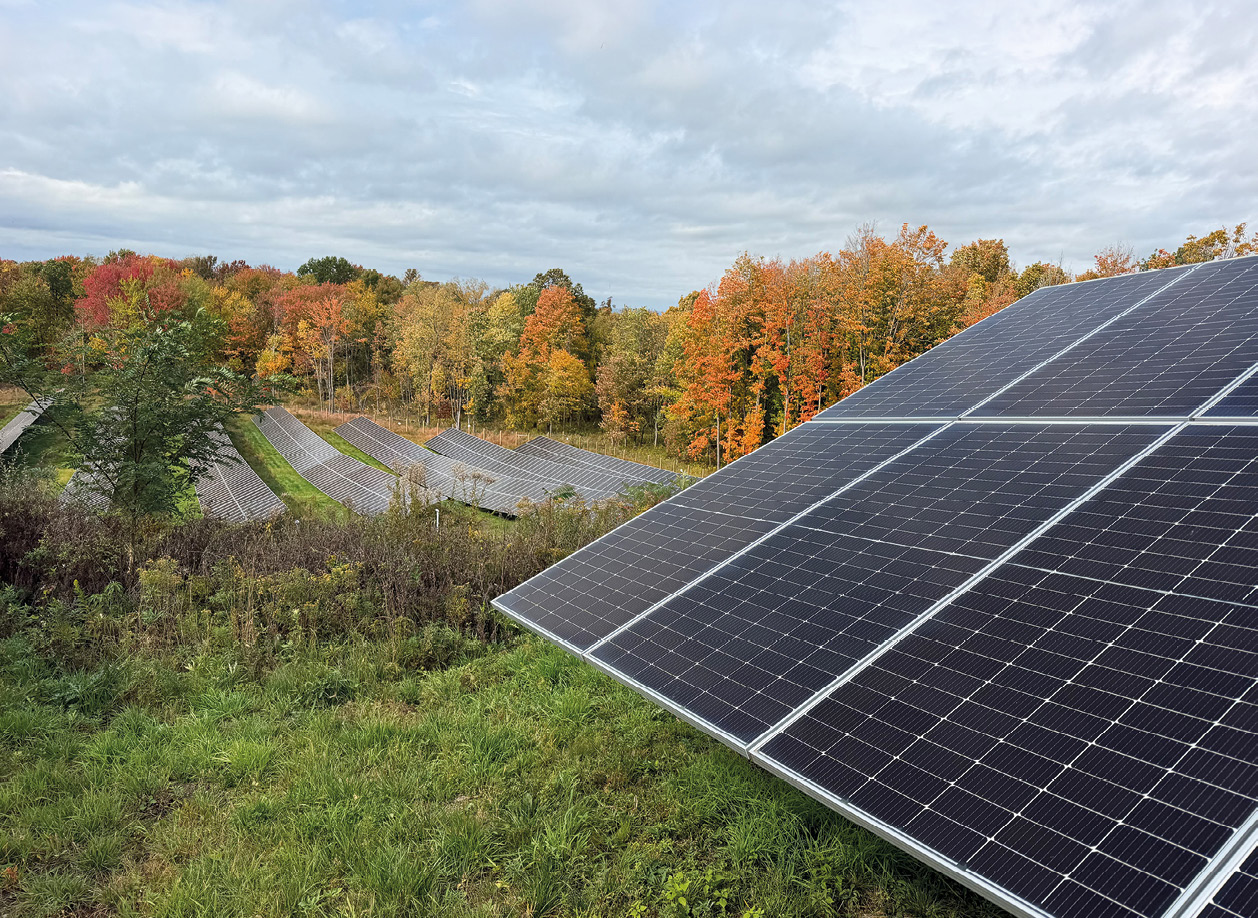
The main obstacle to utility-scale solar over the past five years has been a 2021 law, Senate Bill 52 , that lets counties ban almost all such new projects within their territories.
Source link