
It’s Climate Week here in New York City, and data centers have grabbed much of the attention. Looming large over all, though, are other critical sectors including the global mining industry. Mines feed the supply chain for EVs, solar panels, wind turbines, and other elements of the energy transition, alongside significant impacts on the environmental quality as well as the loss of life, health, and well-being among mine workers and their communities.
The 2010 mine disaster in Chile is one in a string of high profile episodes that continues to resonate today, underscoring the need for reform as the push to decarbonize the global economy heats up.
By 2010, Chile was already known as a top producer of copper. It was also well known for tolerating a high number of fatal mining accidents. The disaster that unfolded in Chile 16 years ago could have easily added another 33 deaths to the register.
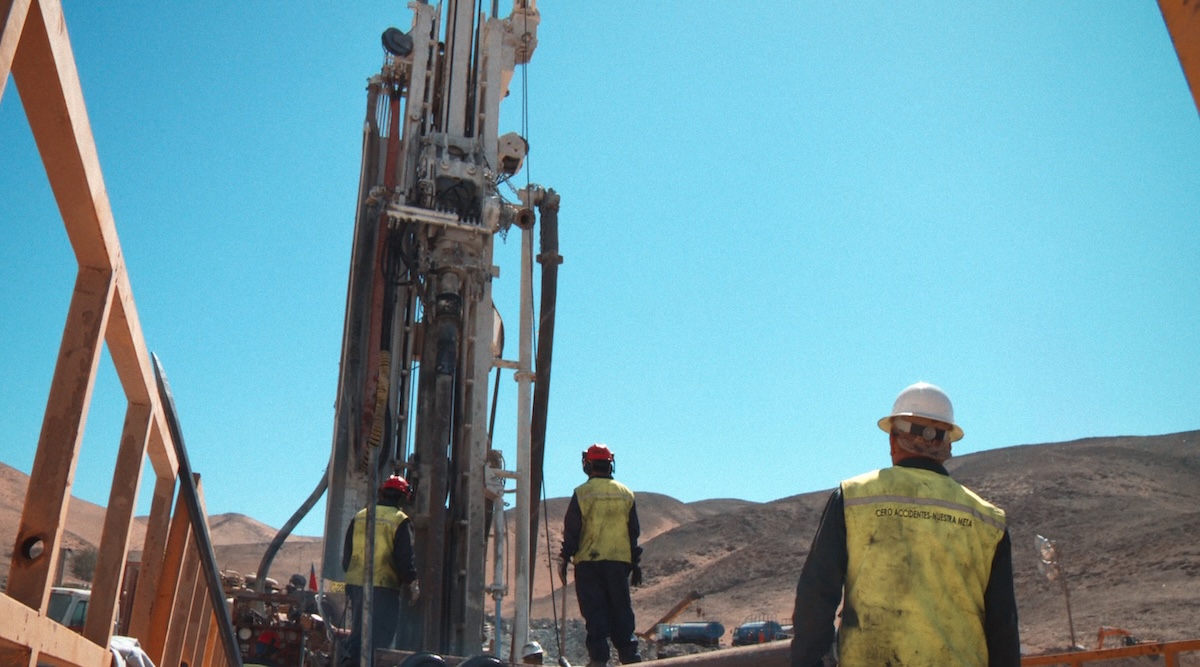
On August 5, 2010, the San José copper and gold mine, located near the city of Copiapó, Chile, collapsed, trapping 33 miners half a mile underground. The catastrophe reportedly followed warnings from safety officials that were ignored by the mine owner, the San Esteban Mining Company.
All 33 men survived for 69 days on a small store of emergency supplies before rescue teams reached them. Their story of mutual trust and support is one lesson from the disaster. Another lesson is the collaboration between the experience of legacy professionals and the next generation of innovators. Many engineers, specialists, and support crews from Chile around the world collaborated intensively on the rescue effort, with the resolved-upon plan ultimately selected by an experienced leadership team that embraced a new idea pitched by a 20-something engineer, Igor Proestakis.
Source link