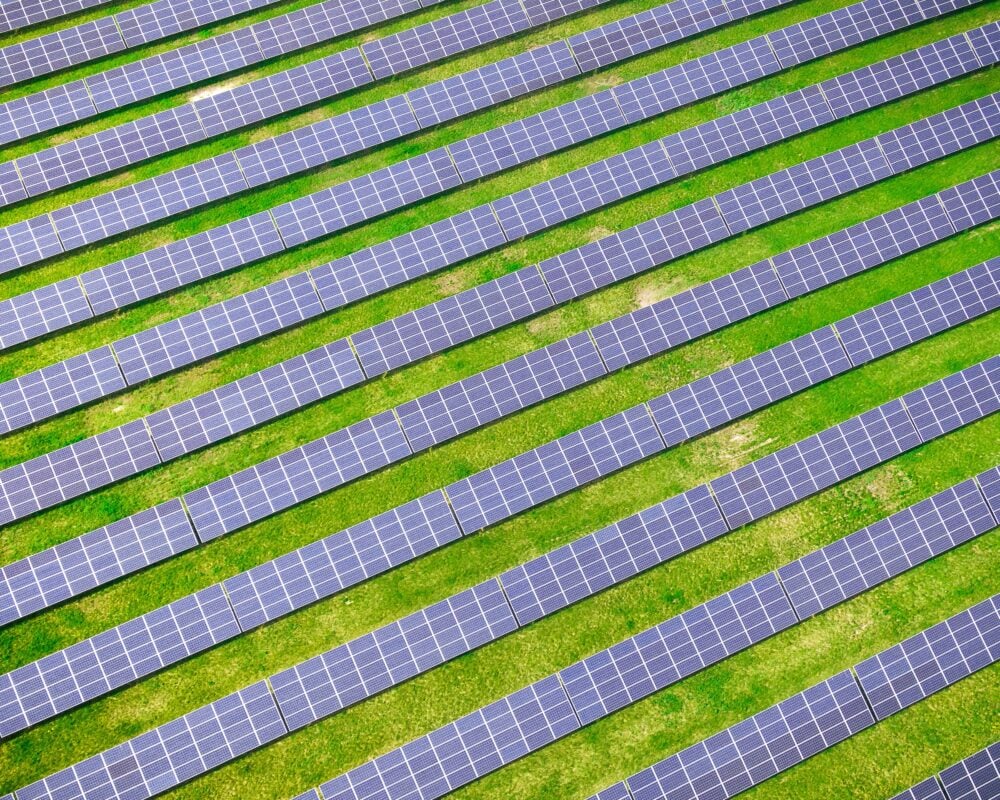
The scale of the challenge is significant; Wood Mackenzie estimates that in the 2040s, projects accounting for more than 2.5TW of wind and solar capacity will reach the ends of their operational lives, forcing project owners to make a decision about the future of the asset.
Indeed, using the example of the European wind industry, the report notes that meeting European Commission deployment targets requires 37GW of new wind additions each year between 2023 and 2030. The industry is already falling short of this target, without even considering the fact that a further 17GW of capacity will be decommissioned in this period; this means that, in effect, Europe must add 39GW a year to reach the 2030 target.
This is illustrated effectively on the graph above, from Wood Mackenzie, which shows how solar and wind decommissioning, in pink, will take a significant volume of generation off the grid, particularly from 2040 onwards. This comes as power demand will continue to grow, meaning that close to 8,000TWh of new generation will be needed by 2050 to account for growing power demand and the reduction in generation from existing solar and wind assets.
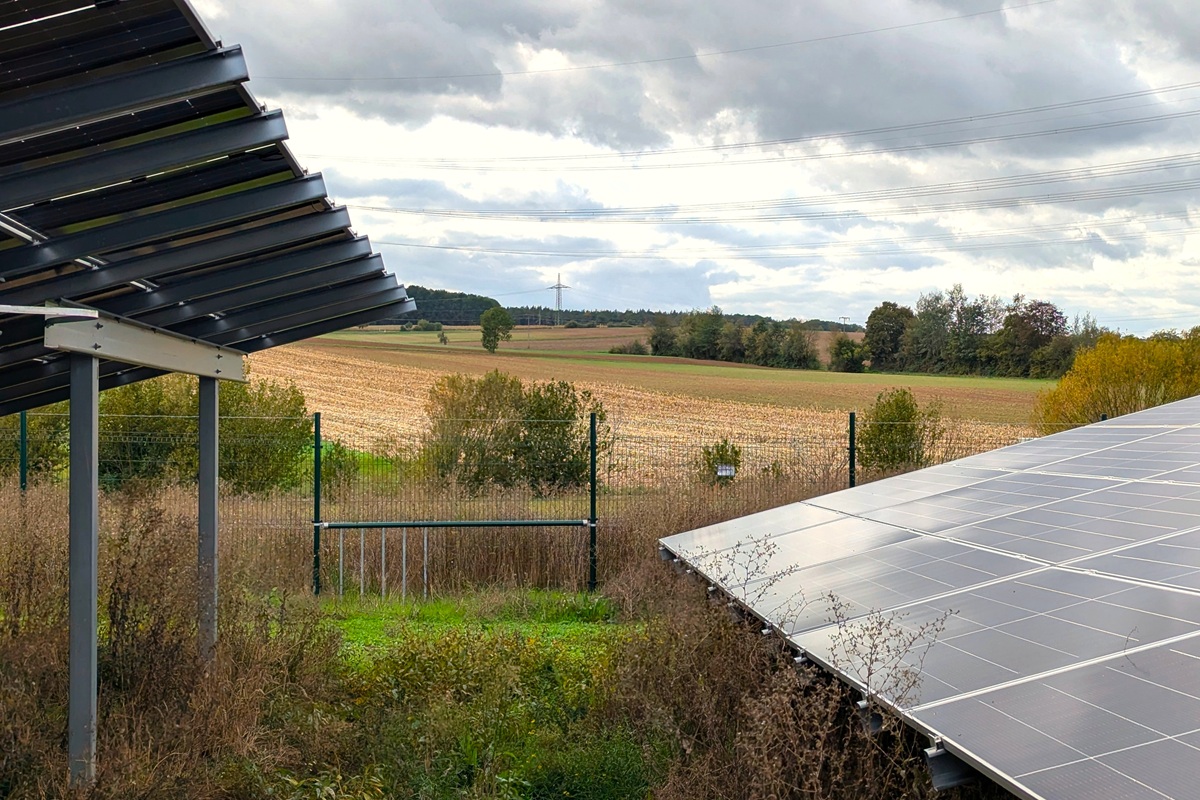
Earlier this year, speakers at Solar Media’s Clean Power 2030 Summit said that project developers must “actively” think about end-of-life activities when building an asset , and that simply dismantling a project at the end of its life would be an unwise decision. Instead, asset owners typically aim to revamp a project, the process of replacing parts and components with new versions to restore it to its original output, or repower the project, the process of adding new components to improve the capacity or output of that project.
Source link