Sometimes it seems like everyone — and every occasion — demands cashmere these days.
Numerous brands sell cashmere sweaters, from Bruno Cucinelli’s $7,900 cable knit cardigan to Quince’s $50 crewneck. Menswear company Loro Piana has made cashmere a cornerstone of its lineup, helping to drive the LVMH division’s valuation above €11 billion. There are even cashmere running shirts.
But as cashmere has spread throughout the fashion industry, it’s not for everyone. It’s still relatively expensive, hard to care for, and environmental fraught. The goats that produce cashmere have been trashing rangelands across Central Asia.
That may change, though. I recently experienced an alternative fiber called renoa, developed by a startup called Everbloom, that’s washable and promises to be more affordable. It could bring the cashmere experience, via a substitute material, to more products and people.
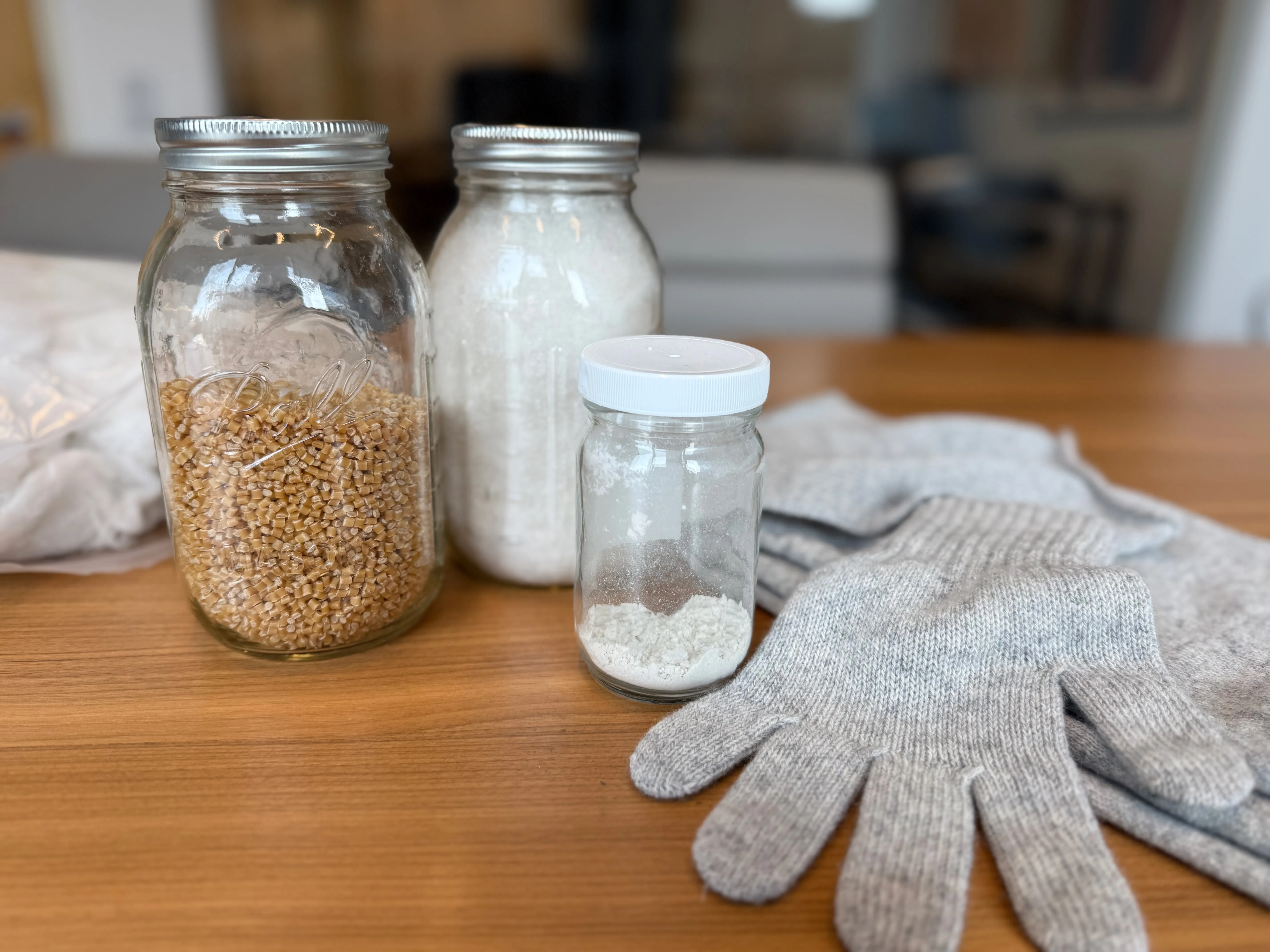
Renoa is made from sources of waste protein, including cashmere and wool scraps as well as down and feather “lint” leftover from the bedding industry. Everbloom processes the waste into a powder and blends it with a biodegradable biopolymer, and the combination is then extruded to the right length and diameter to mimic specific natural fibers.
Renoa was recently approved as the first new fiber classification in 25 years by the U.S. Federal Trade Commission, which regulates fiber labeling in the U.S.
Everbloom has been developing the new fiber for three years, and is currently in the process of scaling up. The startup developed its own AI model for material science, and a cashmere substitute is the first product.
Source link