
A new electric vehicle battery design could extend battery lifespan by more than 20 percent by allowing current to bypass aging cells instead of letting them limit the entire pack, according to researchers in Sweden.
The architecture uses electronic switches and control systems to change how battery cells are connected during operation. Researchers at Chalmers University of Technology found that the approach could significantly improve battery life in high-voltage vehicles, including electric trucks and long-range passenger cars.
In a modeled example involving an 80-kilowatt-hour battery, the system delayed battery replacement by approximately 14 months. The researchers also found that longer service life and higher residual value could offset the additional cost of the electronics.
The findings are based on computer simulations rather than long-term testing in production vehicles. The researchers said the largest lifespan improvement represents a theoretical upper limit under optimal conditions.
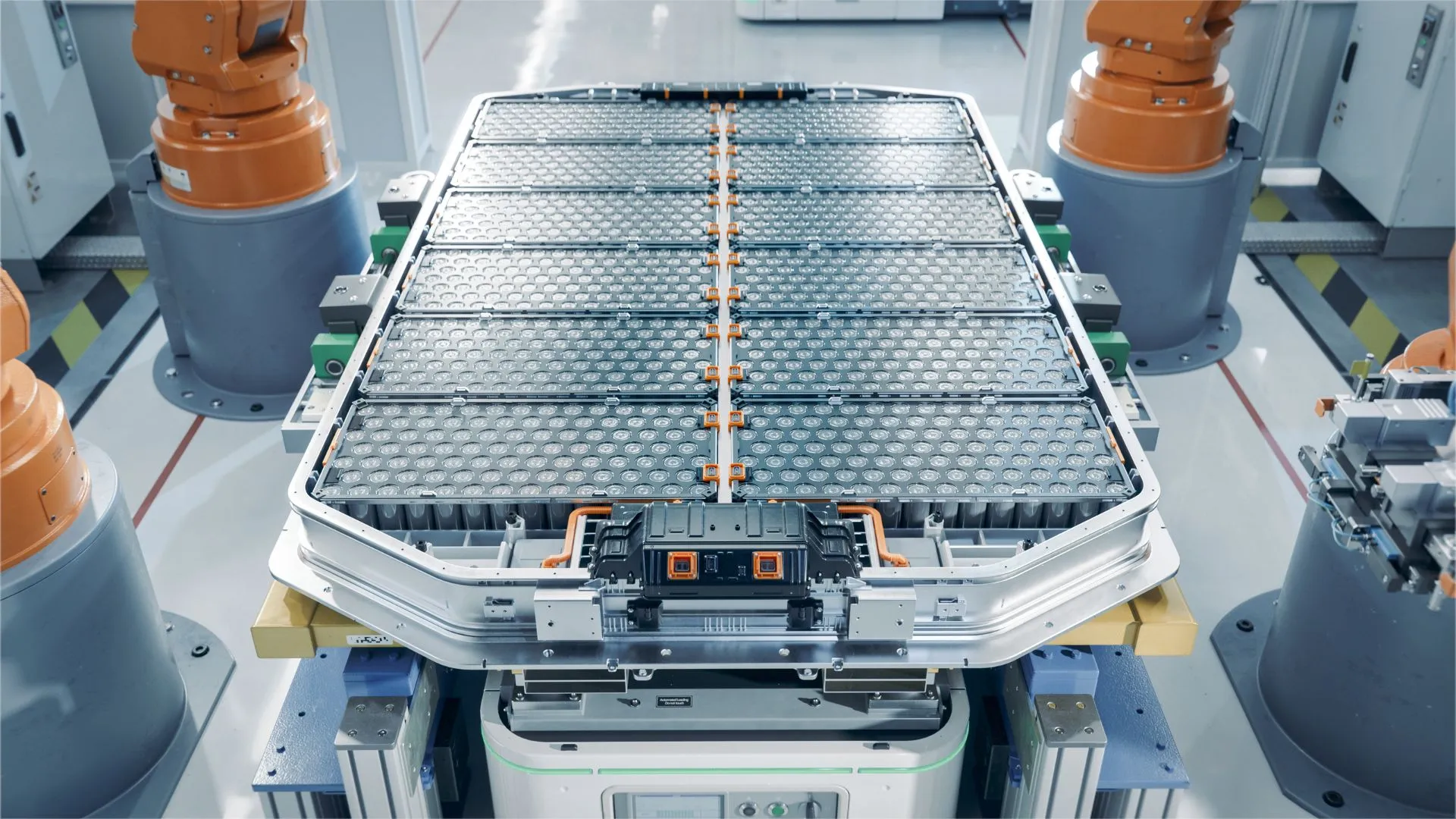
Conventional EV batteries contain numerous interconnected cells that gradually lose capacity as they age. Because cells degrade at different rates, one weakened cell can restrict the usable capacity of an entire battery pack.
The proposed architecture addresses this limitation by allowing switches to disconnect weaker cells while keeping healthier ones operating.
Instead of relying on fixed electrical connections, the battery management system can adjust how cells are connected as their condition changes.
“With the solution in our study, the battery can instead bypass the cell that is causing problems and continue forward,” said Albert Škegro, a doctoral student at Chalmers and the study’s first author.
The researchers used experimentally validated battery models and large-scale simulations to examine different cell chemistries, pack configurations, operating conditions and aging patterns.
Source link





