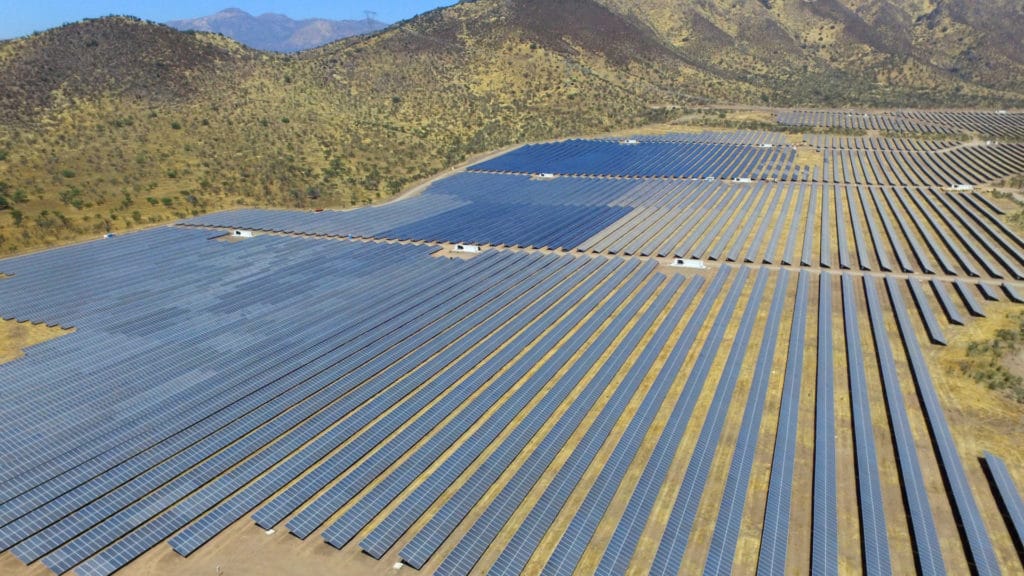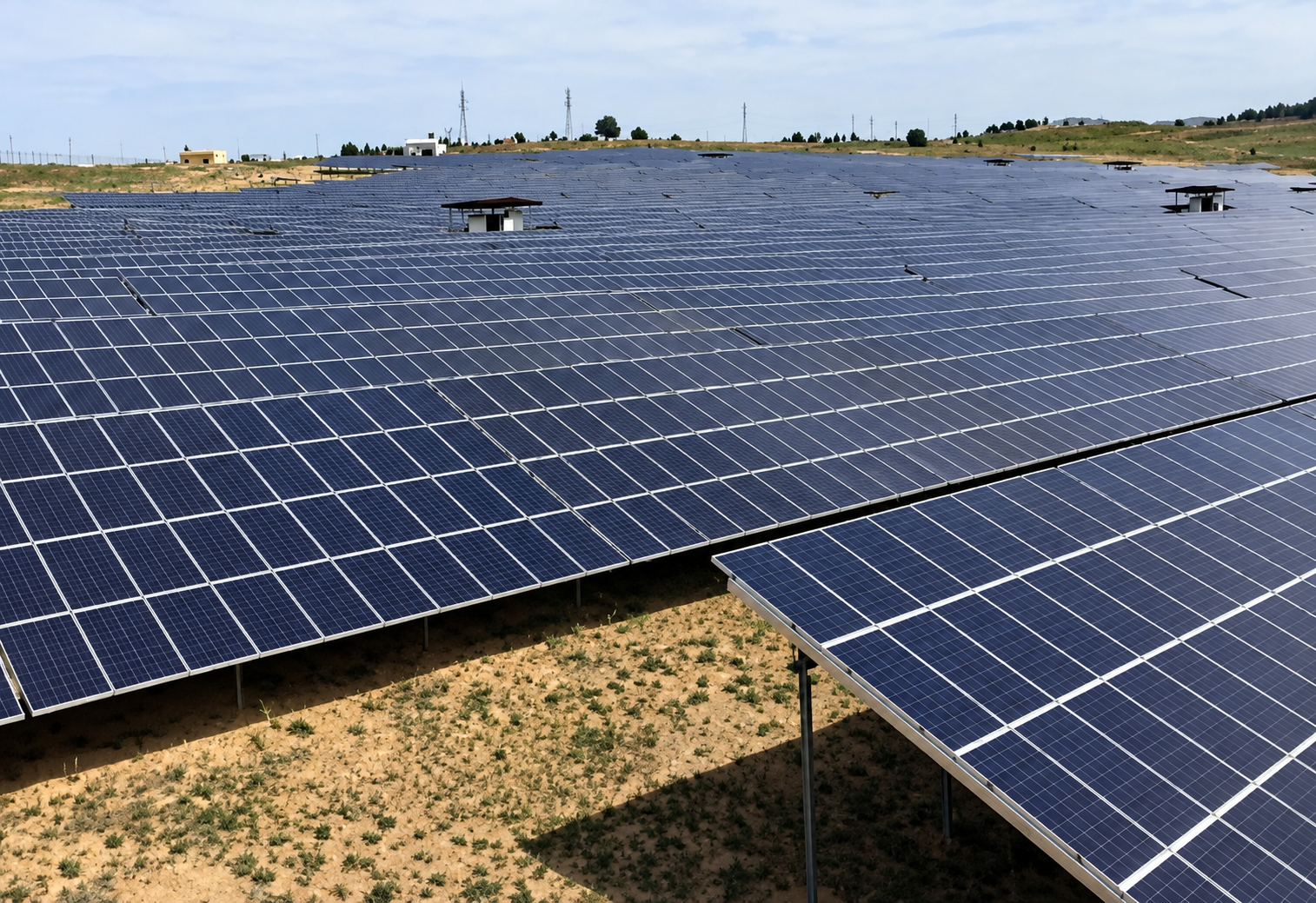
Researchers at Djillali Liabes University of Sidi Bel-Abbes have published the findings of a six-year performance assessment of a 12 MW grid-connected solar power plant in Sidi Bel-Abbes, western Algeria, covering the period from 2018 to 2023.
The study revealed a significant decline in the plant’s performance in 2020, primarily attributed to reduced maintenance activities amid restrictions imposed during the COVID-19 pandemic.
“This drop in yield underscores the crucial role of regular maintenance in minimizing energy losses and sustaining optimal system performance,” the researchers said.
The solar plant in Sidi Bel Abbes uses Sunny Central 800CP XT inverters from German manufacturer SMA and 47,808 polycrystalline silicon HSL60-PB-1–250 modules from Hanwha Qcells, each rated at 250 W and mounted at a 34° tilt facing south. The installation is divided into six 2 MW subfields, each equipped with two inverters and connected to a step-up transformer.
The Sidi Bel Abbes solar plant was equipped with a monitoring system that records operational and meteorological data every 15 minutes in accordance with IEC 61724 standards. Its control room houses two computers, one for plant supervision and data collection and another for grid monitoring. An on-site weather station measures solar irradiance, ambient temperature, humidity and wind speed.
To minimize dust-related energy losses, the facility used a semi-automatic cleaning system featuring rotating brushes mounted on a tractor-towed frame. The researchers assessed the plant’s performance using several indicators, including reference yield, array yield, final yield, performance ratio and capacity utilization factor. They also evaluated inverter and overall system efficiencies to determine how effectively solar energy was converted into electricity.
Source link