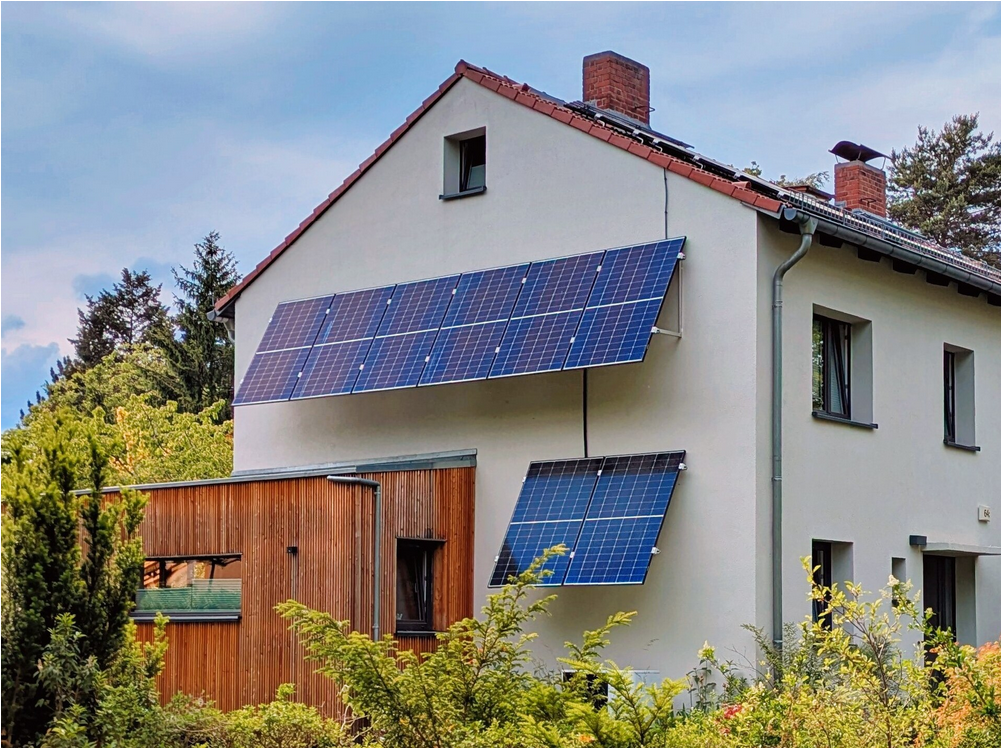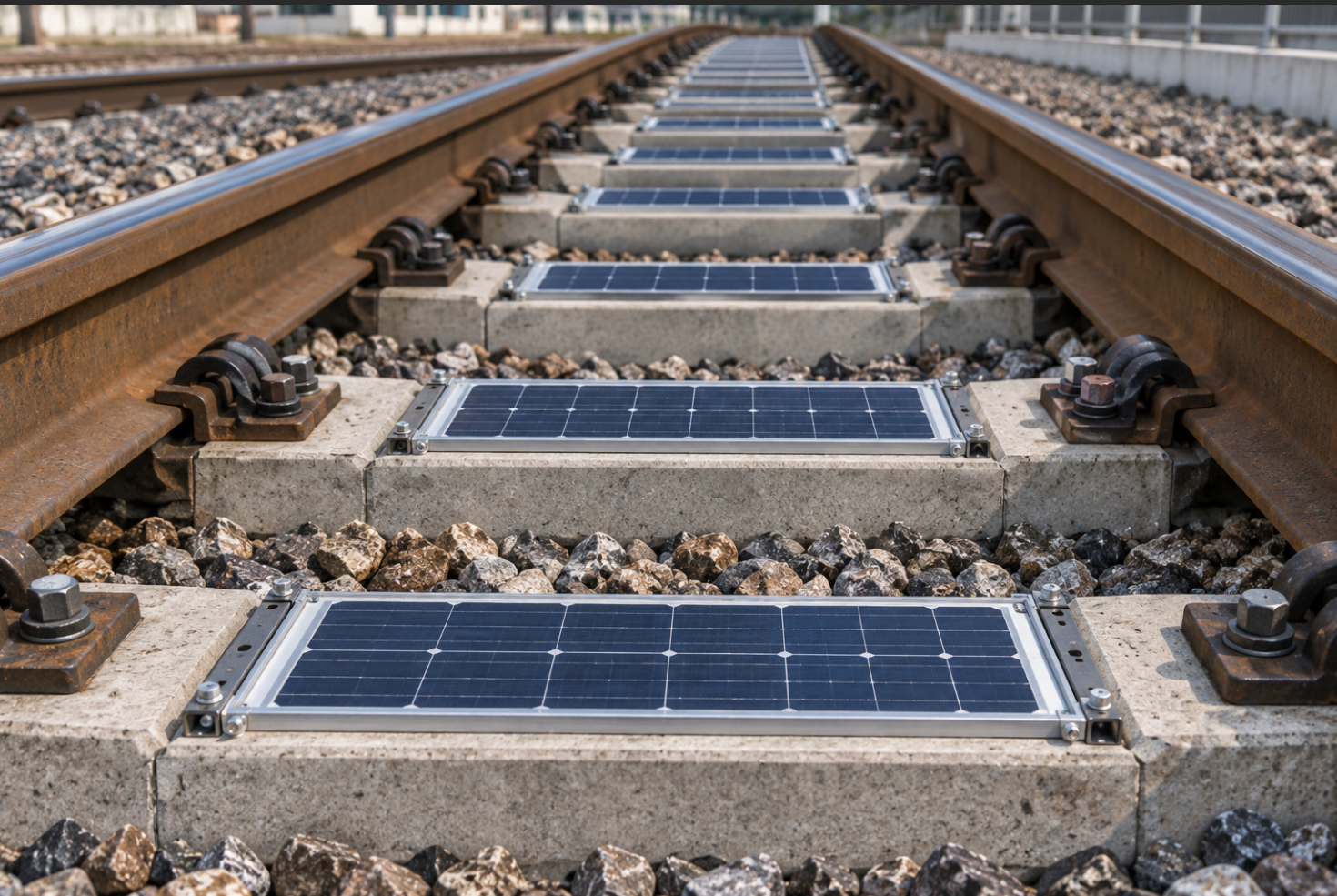
Researchers at the University of Exeter in the United Kingdom have investigated the technical and economic feasibility of a green hydrogen-powered rail system supplied by agrivoltaics, vehicle-integrated photovoltaics (VIPV), and track-integrated photovoltaics (TIPV) and have identified grid-connected agrivoltaics as the most economically viable configuration, achieving a levelized cost of hydrogen (LCOH) of GBP 7.99 ($10.47)/kg.
“Our study presents an integrated framework for decarbonising UK railway transport through green-hydrogen-powered trains supplied by solar energy. Using the London Paddington–Penzance corridor as a case study, it investigates the integration of agrivoltaics, train-rooftop photovoltaics and track-integrated photovoltaics to meet the hydrogen production requirements of railway operations,” corresponding author Aritra Ghosh told pv magazine.
The researchers selected the 482 km Penzance–London railway corridor as a case study because conventional electrification faces challenges related to coastal exposure, tunnels, and high infrastructure costs.
The proposed system combines agrivoltaic electricity generation, rail-integrated PV, and a green hydrogen production and refueling hub in Penzance. Using PVsyst, HOMER Pro, and DSSAT, the researchers evaluated solar electricity generation, hydrogen production, economic performance, and crop responses to shading. Their methodology also incorporated system sizing, geospatial analysis, agricultural modeling, and techno-economic optimization.
For the simulations, the scientists considered retrofitting Class 800 trains with proton exchange membrane fuel cells (PEMFCs) and 350-bar compressed hydrogen storage. They also modeled a 1 MW agrivoltaic system featuring bifacial solar modules installed at a 30-degree tilt and 2.5 meters above the ground.
4 MW, corresponding to an estimated annual electricity generation of 151 GWh, sufficient to meet the railway’s calculated annual hydrogen production energy demand on an annual energy-balance basis.
Source link