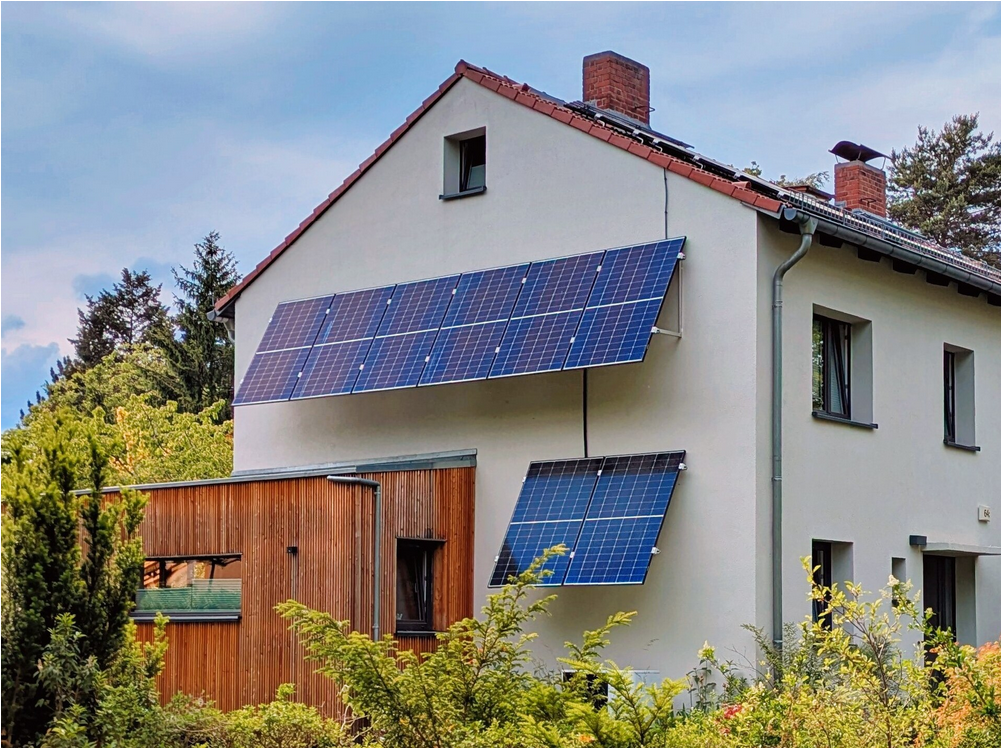

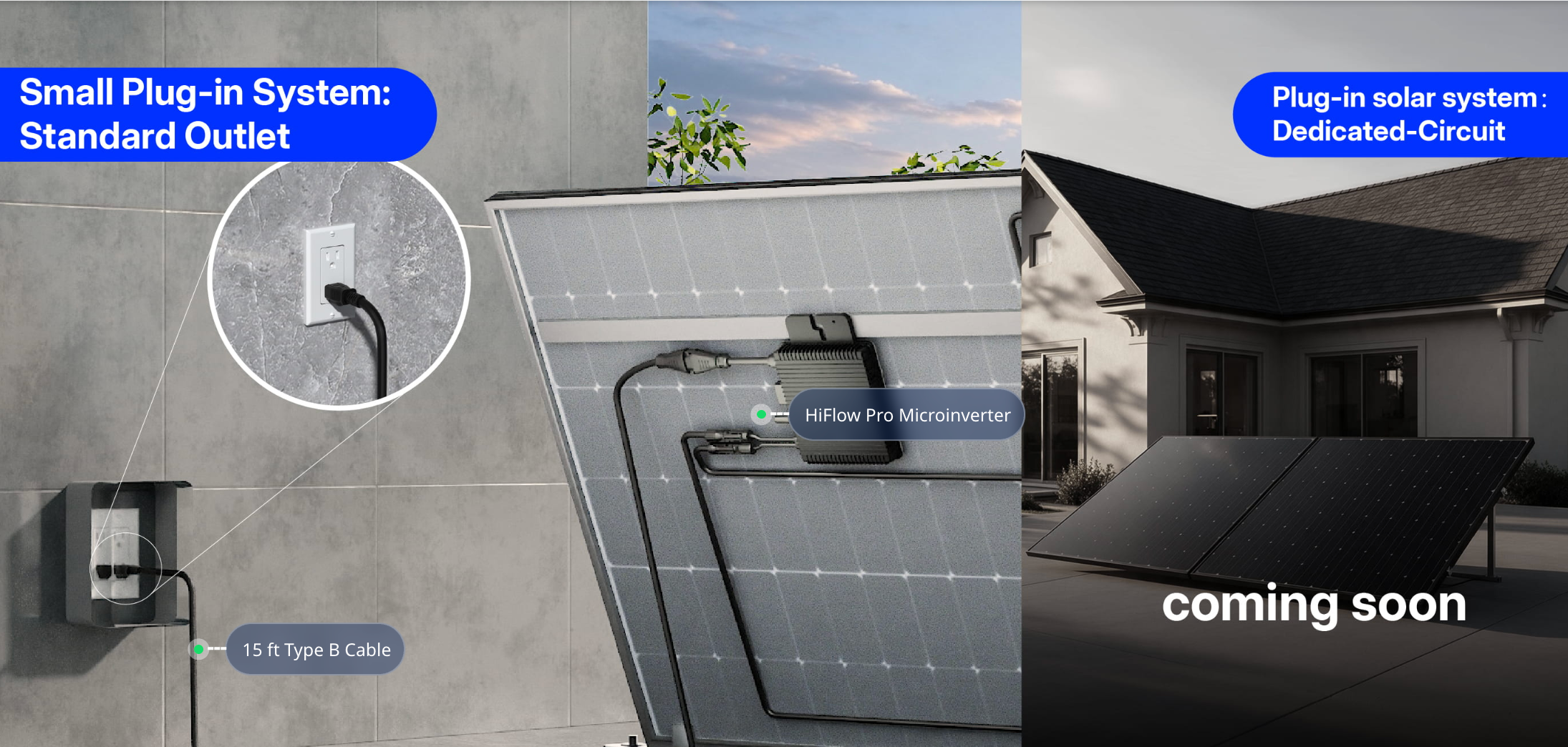
Millions of renters, apartment residents, and condo owners can’t put solar on a roof they don’t control. Plug-in solar, also called balcony solar or plug-in PV, offers a workaround: one or more panels connected through a microinverter to an ordinary wall outlet, with no roof work and, in a growing number of states, no utility interconnection application — though, this is only applicable in select states (users should refer to their state laws before installation). A new safety standard, UL 3700, is helping this market mature, and it comes with a lesson every buyer should learn: a compliant component is not the same thing as a certified system.
Rooftop solar assumes you own a roof, can afford a large upfront cost, and can wait through permits and installation. Plug-in solar flips that. States are responding. As of mid-October, ten states had enacted plug-in solar laws: Utah, Maine, Virginia, Colorado, Maryland, New Hampshire, Connecticut, Vermont, New Jersey, and California. Effective dates vary, with several laws not taking effect until 2027, and New York’s SUNNY Act is awaiting the governor’s signature. Several of these laws require kits to meet a recognized safety standard, and some name UL 3700.
UL 3700, the Outline of Investigation for Interactive Plug-In Photovoltaic Equipment and Systems, was published in December 2025, and UL Solutions began certifying products to it in January 2026. It exists because rooftop solar standards weren’t written for equipment that homeowners plug in themselves. The safety problems are specific:
Hoymiles says the HiFlow Pro was built around these challenges and shuts down in 135 milliseconds if it’s unplugged or the grid fails.
Source link