

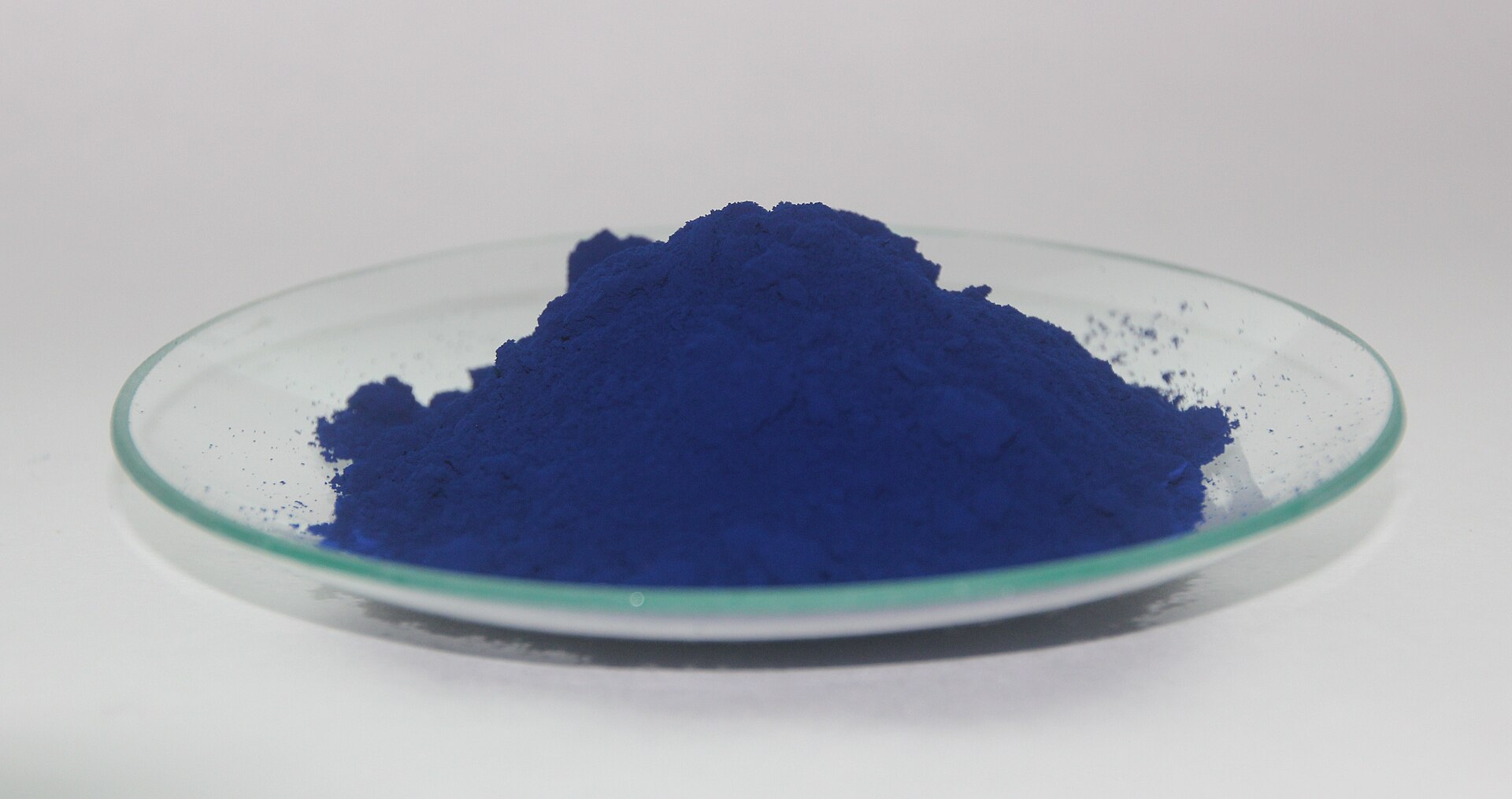
Prussian Blue (PB) is an iron-based compound known for its strong visible-light absorption and electrochemical properties, which have attracted interest in photovoltaic research. Researchers have previously investigated its use as a photosensitizer in dye-sensitized solar cells, demonstrating its ability to absorb sunlight and generate photocurrent, albeit with limited photovoltaic performance.
Now, a group of researchers from the Chinese Academy of Sciences (CAS) has investigated whether PB could also be used in perovskite solar cells to improve device performance and stability.
The scientists used PB nanoparticles to stabilize formamidinium lead iodide (FAPbI3) perovskite films, addressing structural instability, defect formation and ion migration, which can compromise solar cell performance and long-term durability.
“The main advance of our study is the use of a structurally compatible Prussian blue framework that remains functional during both film formation and device operation,” corresponding author Yu Chen told pv magazine. “It guides perovskite crystallization, mediates the conversion of abnormal lead and iodine species, and restricts A-site cation redistribution. Together, these effects help preserve electronic homogeneity under bias and support efficient, stable large-area modules.”
The researchers used PB nanoparticles as structural templates to control FAPbI3 crystallization and promote more uniform crystal growth. The nanoparticles also suppressed unwanted intermediate phases and favored the formation of the photoactive α-phase, the crystal structure required for efficient light absorption and electricity generation. According to the researchers, the approach improved crystal alignment, reduced lattice strain and limited nonradiative recombination losses.
The team also found that PB nanoparticles could reduce perovskite degradation by limiting defect formation and ion migration within the material.
Source link





