Researchers may have found an unexpected battery material solution within the discarded wood industry byproduct.
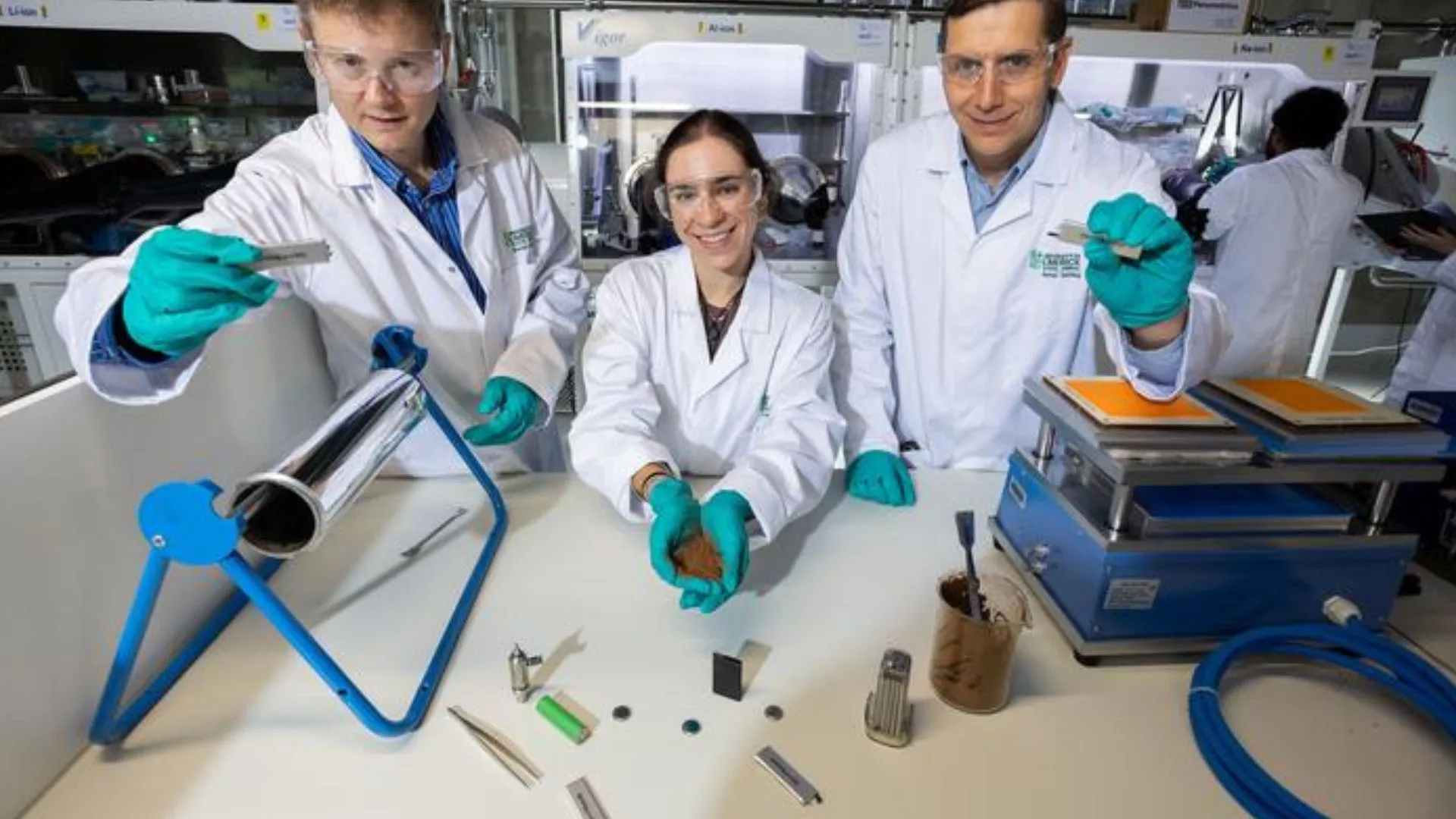
The University of Limerick (UL) in Ireland and the University of Valencia in Spain found a way to repurpose lignosulfonate, a waste byproduct from the pulp and paper industry. The process converts this material into high-performance carbon nanofibers for sodium-ion batteries.
The search for cleaner and more affordable electric vehicle batteries is driving a race to replace costly lithium-ion technology, which depends on scarce and environmentally damaging materials like lithium and cobalt.
Converting this industrial waste into battery materials may offer a promising path past current supply issues toward sustainable, large-scale energy storage.
“This research shows how an underused byproduct from the forestry and paper industries can be converted into a valuable battery material using a simple water-based process,” said Professor Maurice N Collins, lead of sustainable and resilient materials at the Bernal Institute, who led the study.
Sodium is one of the most abundant elements on the planet, making sodium-ion technology a prime candidate to power the green transition. However, existing battery manufacturing processes still depend on toxic organic solvents, synthetic binders, and energy-intensive processing.
The Irish-Spanish research team worked to change this. Using a green chemistry approach, the toxic solvents were eliminated in favor of simple water. They also combined lignosulfonate with natural ingredients to spin ultra-fine fibers without synthetic binders or extra additives.
“What is particularly exciting about this research is that sustainability is built into every stage of the material’s development.
Source link