
The Bipartisan American Affordability and Jobs Act of 2026 (BAAJA) is the result of years of negotiations on permitting reform. The product is a bill that combines critically important transmission and grid reforms with significant and concerning changes to federal environmental laws, permitting standards, and judicial remedies.
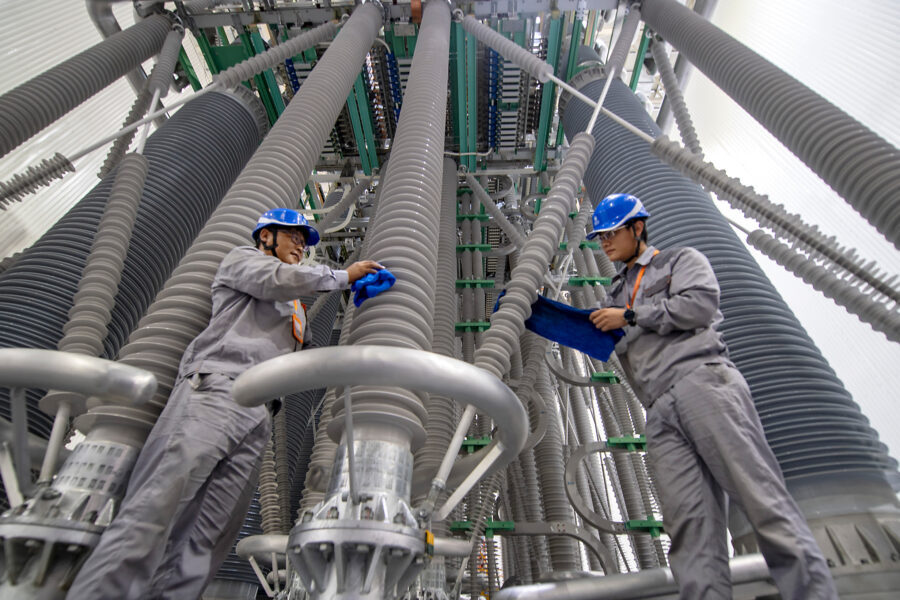
The transmission provisions in the bill would produce substantial and durable benefits, updating an aging power grid by allowing new investments. These reforms, which NRDC has long supported, are an essential component of accelerating the electrification and decarbonization of the power sector and achieving greenhouse gas reduction targets. On their own, these changes are much needed and overdue; they would also help any future clean energy incentives and standards succeed in cutting emissions. But transmission is an enabling technology rather than a substitute for policies that directly drive clean energy investment and reduce pollution.
However, there are a number of concerning provisions that raise substantial issues and reinforce the position of incumbent energy interests. The “project certainty” language is designed to ensure projects cannot be arbitrarily canceled. As drafted, it could benefit fossil fuel, mining, data center, and other industrial projects more than clean energy. It could also limit agencies’ ability to address newly discovered harms, constrain future pollution regulation, and create large taxpayer-funded corporate handouts.
The bill would also weaken key elements of core environmental laws, including the Clean Water Act (CWA), the Endangered Species Act, the National Environmental Policy Act (NEPA), and the National Historic Preservation Act (NHPA). The bill would narrow environmental review across those statutes, diminish state and Tribal authority, constrain public participation, and restrict courts’ ability to stop projects proceeding under unlawful permits.
Source link