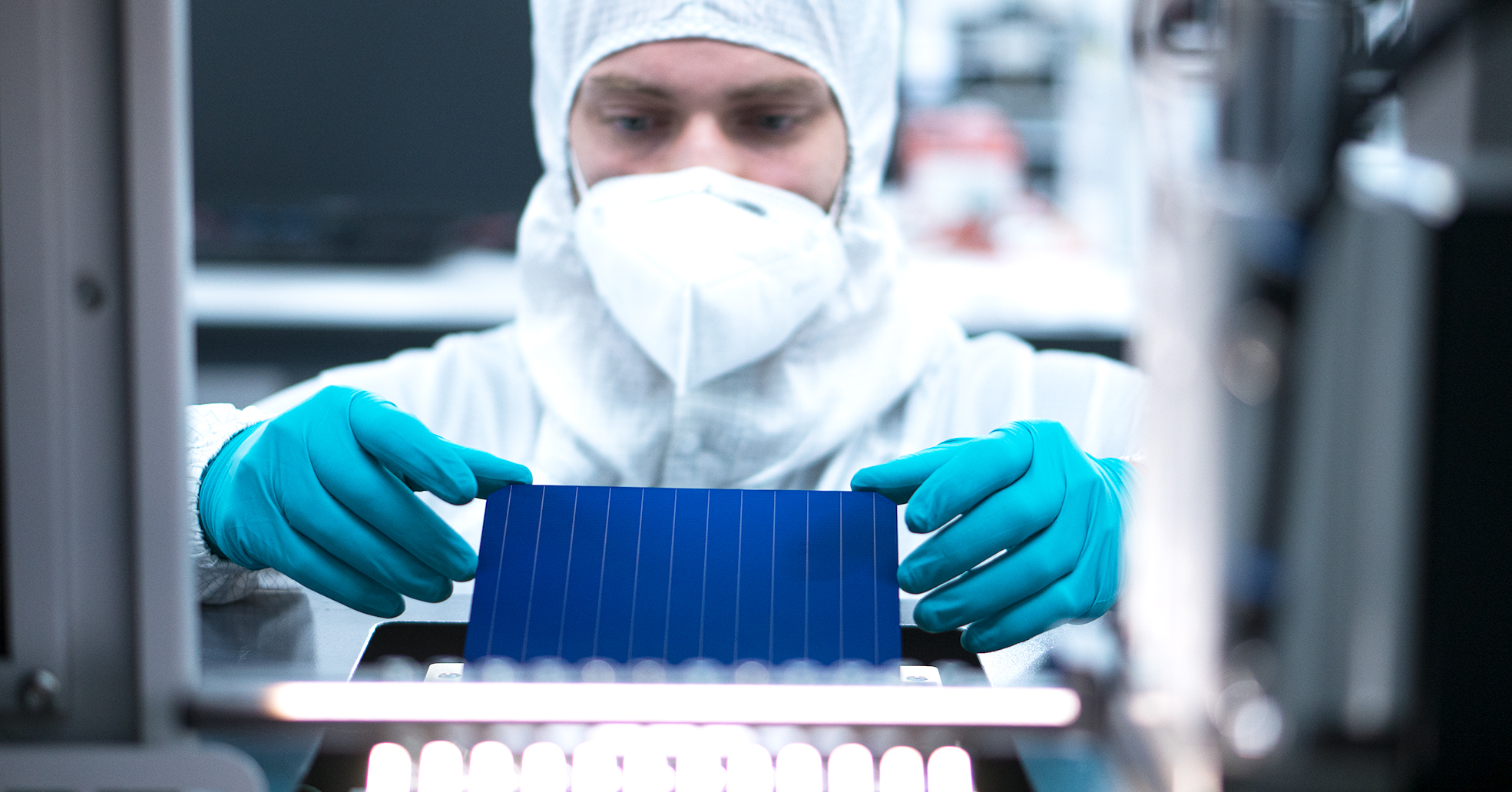
A research team at the University of New South Wales (UNSW) in Australia has investigated the partial replacement of silver (Ag) with nickel (Ni) powders in TOPCon solar cell rear-side metallization and has found that Ni powder characteristics significantly affect electrical performance, printability and cost savings.
“One of the most important findings is that replacing Ag with Ni is not simply a matter of increasing the Ni content. The characteristics of the Ni powder have a significant impact on both electrical performance and printing behaviour,” corresponding author Ning Song told pv magazine.
“With an appropriate nickel powder, we demonstrated a 6.8% reduction in rear-finger raw-metal costs while maintaining almost the same solar cell efficiency. However, increasing the Ni content further did not necessarily deliver greater savings, because additional paste consumption during printing offset the expected benefits,” she added.
The scientists explained that Ni has emerged as a promising Ag substitute due to its relatively low cost and good electrical conductivity. However, Ni oxidation during firing and variations in powder characteristics can affect electrode performance. They also noted that previous studies have demonstrated the feasibility of Ag-Ni hybrid pastes, although their practical cost benefits remain uncertain.
8 μm, replacing 5% to 15% of the metal powder in industrial TOPCon rear-finger pastes. They examined electrical performance, contact resistance, electrode microstructure and printing behavior, while also assessing paste consumption and finger geometry to determine actual raw-metal cost savings.
Source link