
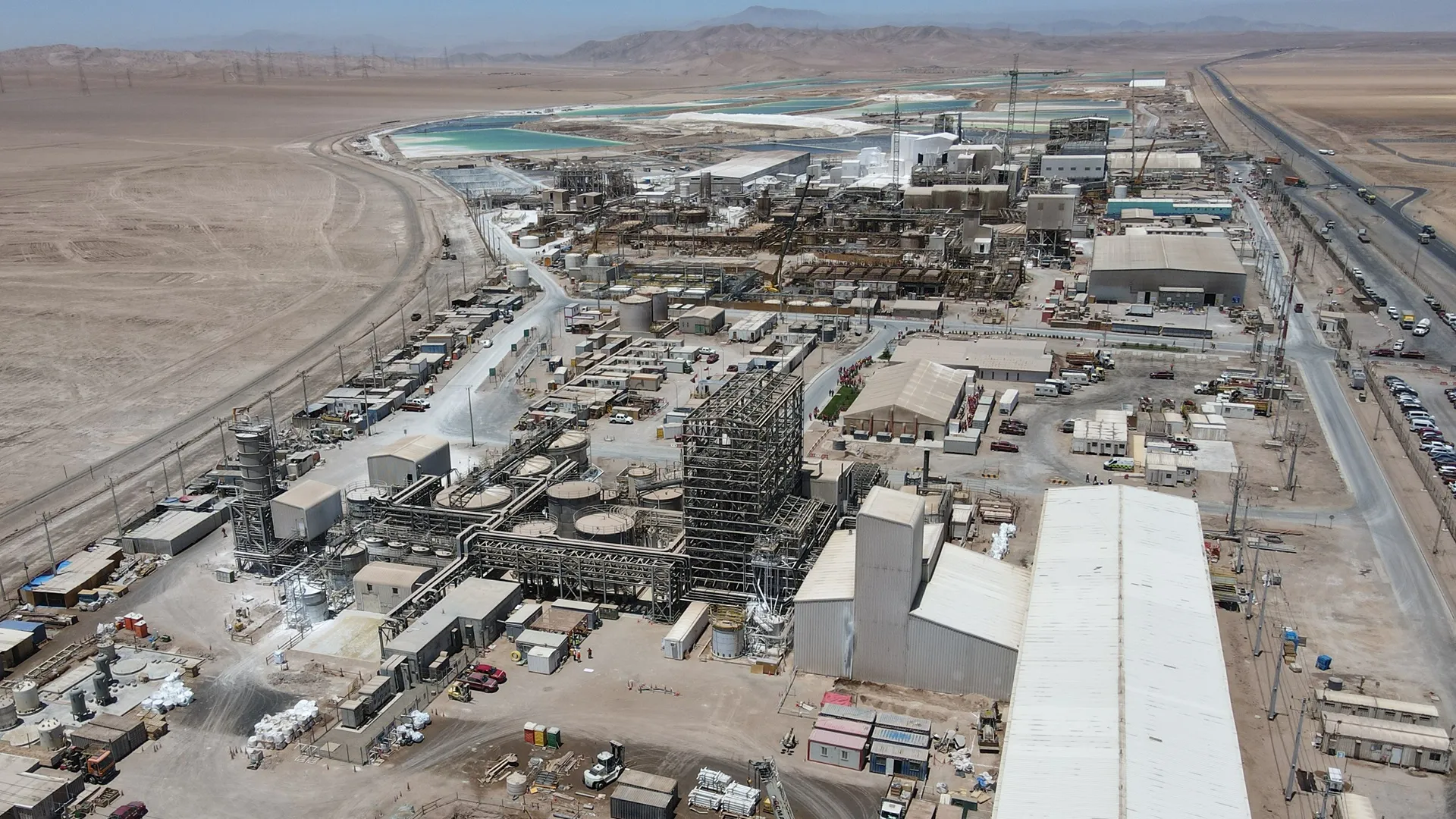
The US has reportedly launched its first new lithium mining plant in the last five decades, which is expected to produce at least 3,000 tons of the critical mineral annually from oilfield wastewater.
The site is located in Midland, Texas. it started commercial operations in February, 2026. This marked the first time a new US lithium mining project had reached the market since the late 1960s.
Built by clean-tech firm Element3, it relies on technology from the Department of Energy’s Oak (DOE) Ridge National Laboratory (ORNL) to extract lithium from wastewater generated during oil and gas production.
According to ORNL, the plant’s annual production capacity is equivalent to nearly half of current US lithium output. The country currently produces approximately 5,000 to 6,000 metric tons of lithium per year. “We can produce our own starting materials, like for battery manufacturing for example,” Parans Paranthaman, PhD, a materials scientist and corporate fellow at ORNL, said.
The facility extracts lithium from produced water, a type of wastewater generated during oil and gas extraction in the Permian Basin.. Data shows that the US oil and gas industry generates approximately 25.9 billion barrels of wastewater, known as produced water or brine, each year. That amounts to roughly 1.09 trillion gallons annually, or nearly three billion gallons per day.
Although this water contains lithium, it also carries numerous other elements that must be separated before the mineral can be used in batteries. These can include dissolved and suspended salts, heavy metals , hydrocarbons, as well as radioactive materials.
Source link





