
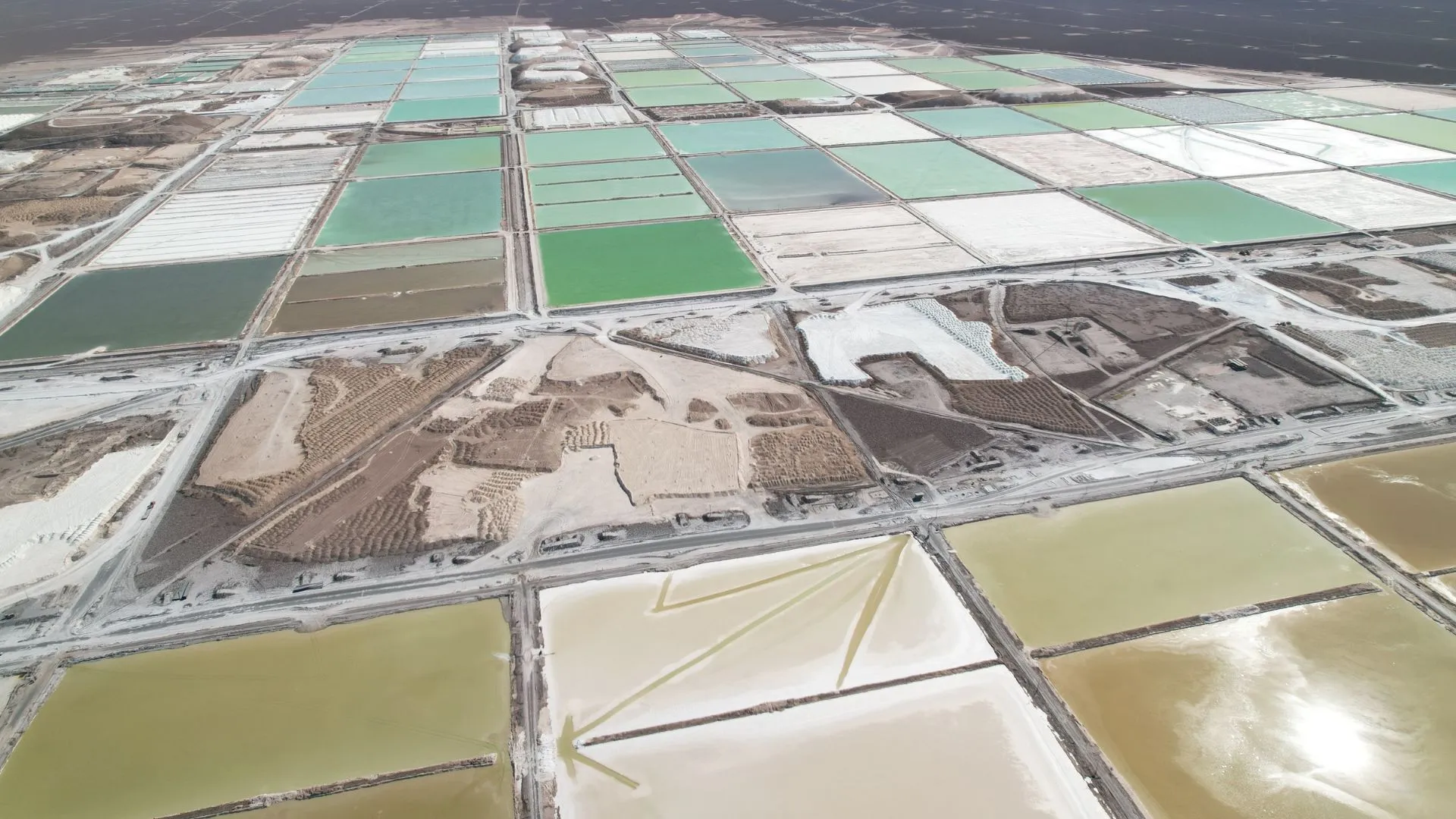
UK researchers are developing a new method to extract lithium for batteries using engineered proteins that assemble into membranes with pores as small as 1 ångström, potentially allowing lithium to be separated from chemically similar sodium.
The approach uses S-layer proteins, which naturally form highly ordered structures on the surfaces of microorganisms. Researchers aim to modify these proteins to create membranes with uniformly sized pores that can selectively separate lithium and sodium ions.
Scientists from the University of Birmingham and Aston University are targeting pore sizes ranging from 1 to 50 ångströms, with one ångström equal to one ten-billionth of a meter. The goal is to manufacture large-area membranes that can perform highly selective separations under practical operating conditions.
The three-year project has received £6.2 million from the UK’s Advanced Research and Invention Agency (ARIA). The researchers will design and screen thousands of protein variants before scaling up the most promising candidates for membrane manufacturing and testing.
The proposed membranes will use S-layer proteins, which naturally form ordered, two-dimensional structures on the surfaces of many microorganisms.
These proteins can assemble into repeating patterns without requiring each component to be positioned individually. Researchers plan to modify their structures to create pores with controlled dimensions and chemical properties.
Thousands of protein variants will be designed and screened to identify candidates capable of separating lithium and sodium ions. The most promising versions will then be produced at larger scales and incorporated into membrane systems.
“Biology can construct ordered materials with precision that is extremely difficult to achieve using existing manufacturing methods.
Source link





