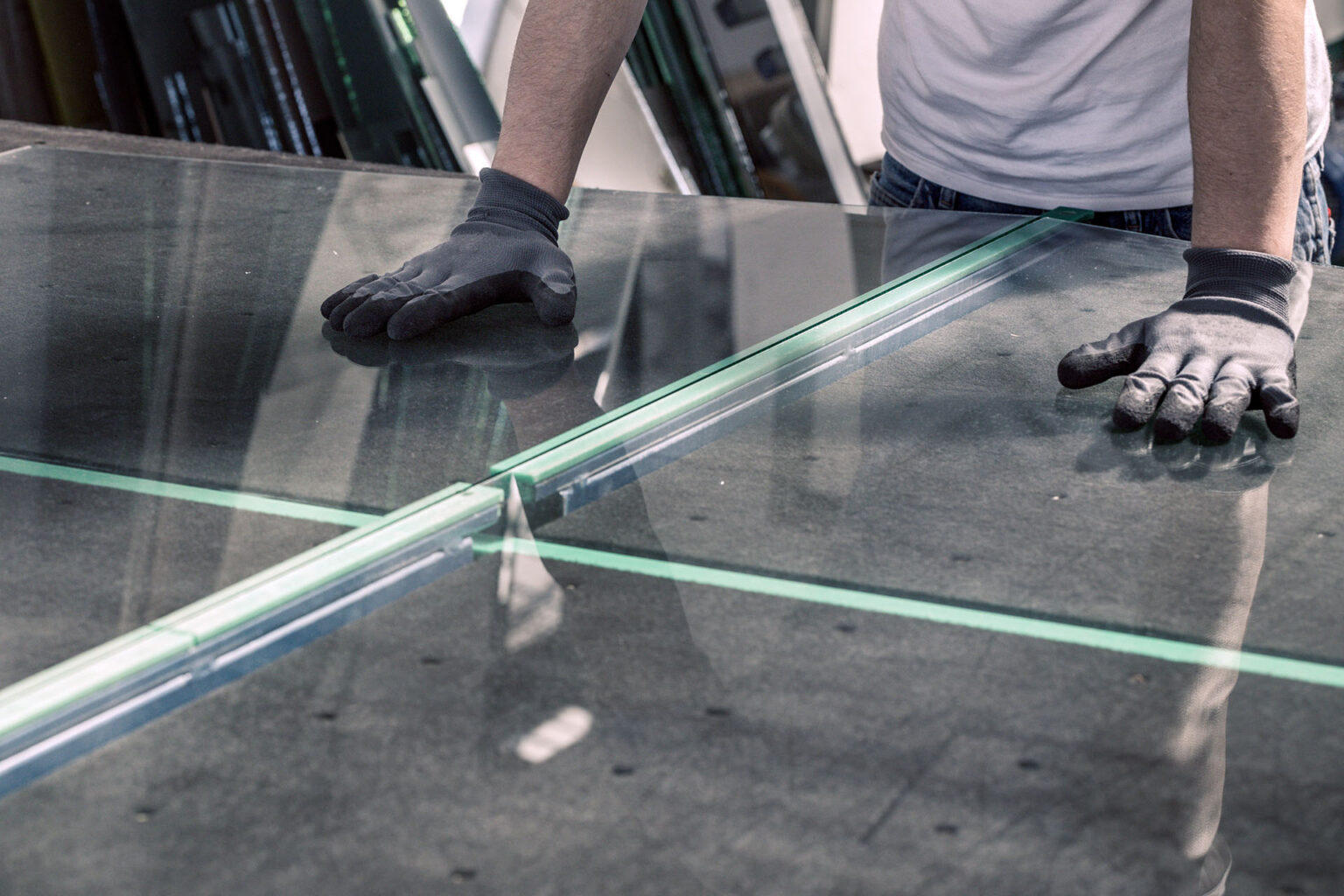
German startup Exxosqel, a subsidiary of Exxergy, has developed a coating technology designed to improve the mechanical strength of solar glass, enabling the use of thinner glass sheets in photovoltaic modules.
Developed in collaboration with the Fraunhofer Institute for Silicate Research (Fraunhofer ISC), the technology could reduce glass weight by up to 40% while maintaining mechanical performance, according to preliminary test results.
Glass currently accounts for 70% to 80% of a PV module’s total weight. Modules typically weigh between 11 kg/m² and 13 kg/m², although heavier designs can reach approximately 16 kg/m².
Reducing glass thickness could therefore lower raw material consumption, manufacturing energy requirements and associated emissions, while also reducing transport and installation loads.
According to Exxergy, the technology addresses one of the main factors limiting the mechanical strength of flat glass: microscopic cracks that develop during manufacturing and handling. Rather than simply covering surface defects, the coating is designed to penetrate the cracks and modify their mechanical behavior.
The process uses a multicomponent composite material that forms a three-dimensional cross-linked structure. Once applied, the coating matrix establishes covalent bonds at the molecular level within the microcracks. The aim is to inhibit crack propagation and increase the energy required to fracture the glass.
Laboratory tests have shown substantial improvements in mechanical strength. Following several adjustments to the material formulation and application process, 2 mm-thick glass samples exhibited four times the strength of an untempered reference sample. For 1 mm-thick samples, strength increased sevenfold.
The results suggest that the technology could enable thinner glass in PV modules, where conventional strengthening methods face technical limitations.
Source link