NASA has tested a solid-state battery that survived temperatures as low as minus 274 degrees Fahrenheit (minus 170 Celsius) without damage, a step toward developing power systems for future missions to the Moon’s South Pole.
The prototype cells also operated at temperatures as low as minus 112 F (minus 80 C), although with reduced performance. NASA said the batteries worked well between minus 76 F (minus 60 C) and 176 F (80 C) during recent thermal vacuum testing.
The results come from NASA’s Solid Power for Extreme Environment Adaptability and Resilience in Space (SPEARS) project, which is developing batteries capable of surviving the Moon’s extreme temperature changes without requiring continuous heating.
The technology could eventually power lunar rovers, scientific instruments and emergency equipment used by astronauts under NASA’s Artemis program. However, the batteries remain small laboratory prototypes and have not yet been demonstrated in space.
Temperatures near the Moon’s South Pole can fall to minus 328 F (minus 200 C). Such conditions present a major challenge for conventional lithium-ion batteries, which depend on liquid electrolytes to transport charged particles between electrodes.
These liquids can freeze in extreme cold, while excessive heat can affect battery performance. Exposure to the vacuum of space also creates problems for conventional liquid-based systems.
NASA’s SPEARS batteries instead use solid ceramic- or polymer-based electrolytes. The design aims to improve resistance to temperature extremes while reducing the fire hazards associated with flammable liquid electrolytes.
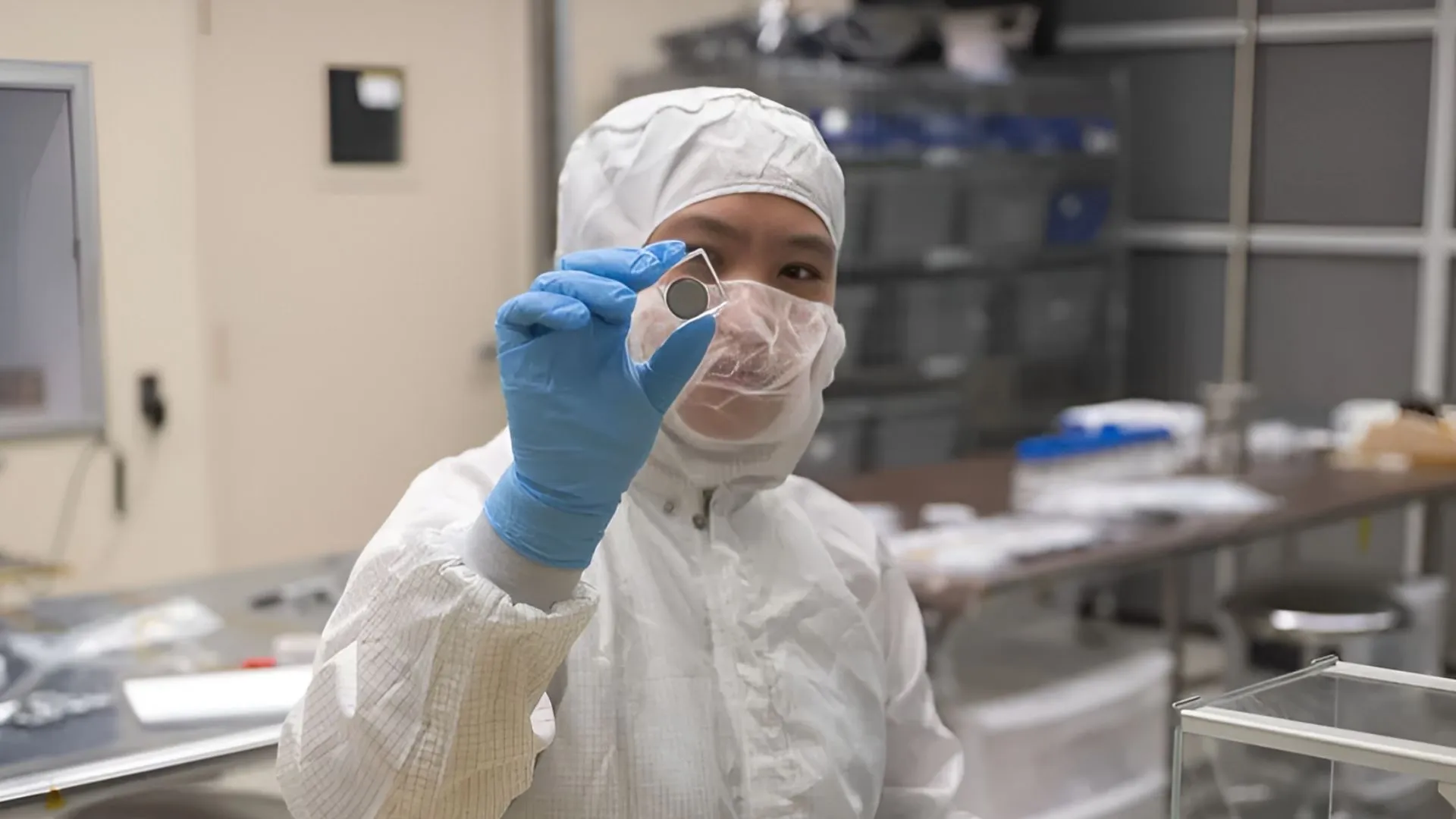
Researchers conducted thermal vacuum tests at NASA’s Langley Research Center in Virginia to examine how the prototype cells performed under conditions relevant to lunar operations.
Source link