This article has been reviewed according to Science X's editorial process and policies. Editors have highlighted the following attributes while ensuring the content's credibility:
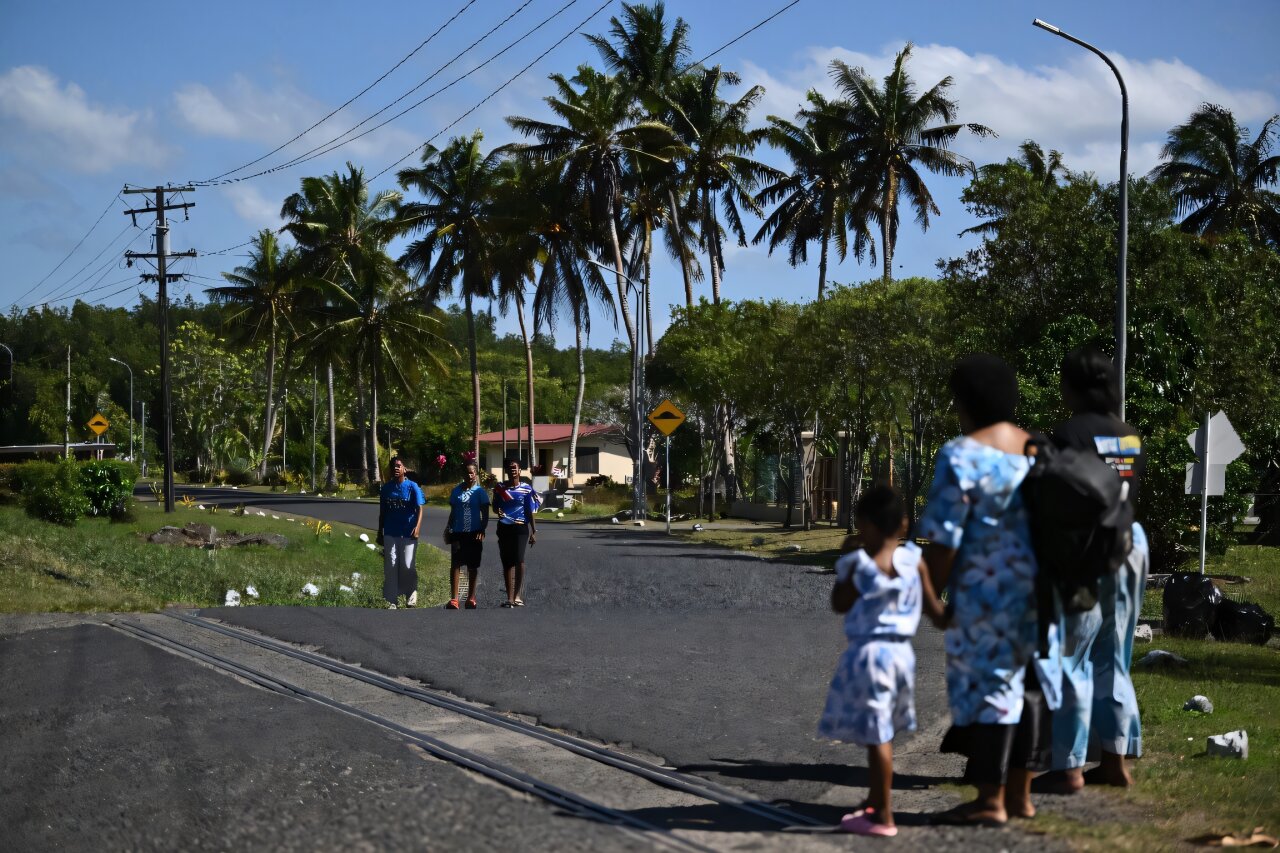
Power cables weave through palm trees high above Fiji's Rukurukulevu village, linking residents to the national grid and a select few to solar panels.
The settlement of about 400 people finally electrified its last building this year—a kindergarten, just meters from the sea.
But residents are struggling to keep the lights on as the Middle East war and other factors push up energy bills.
It is challenging Fiji's reliance on imported fossil fuels and driving a push toward renewables in the resource-scarce island nation.
"The prices of electricity here in Fiji (are) very high," village spokesman Vereniki Nalio told AFP.
"Some houses, they got FJ$100 (US$44) and over. The church, community halls and church minister's house, they've got about FJ$200, nearly FJ$300, for a month."
Nalio said he paid about FJ$60 per month for electricity—"very, very high."
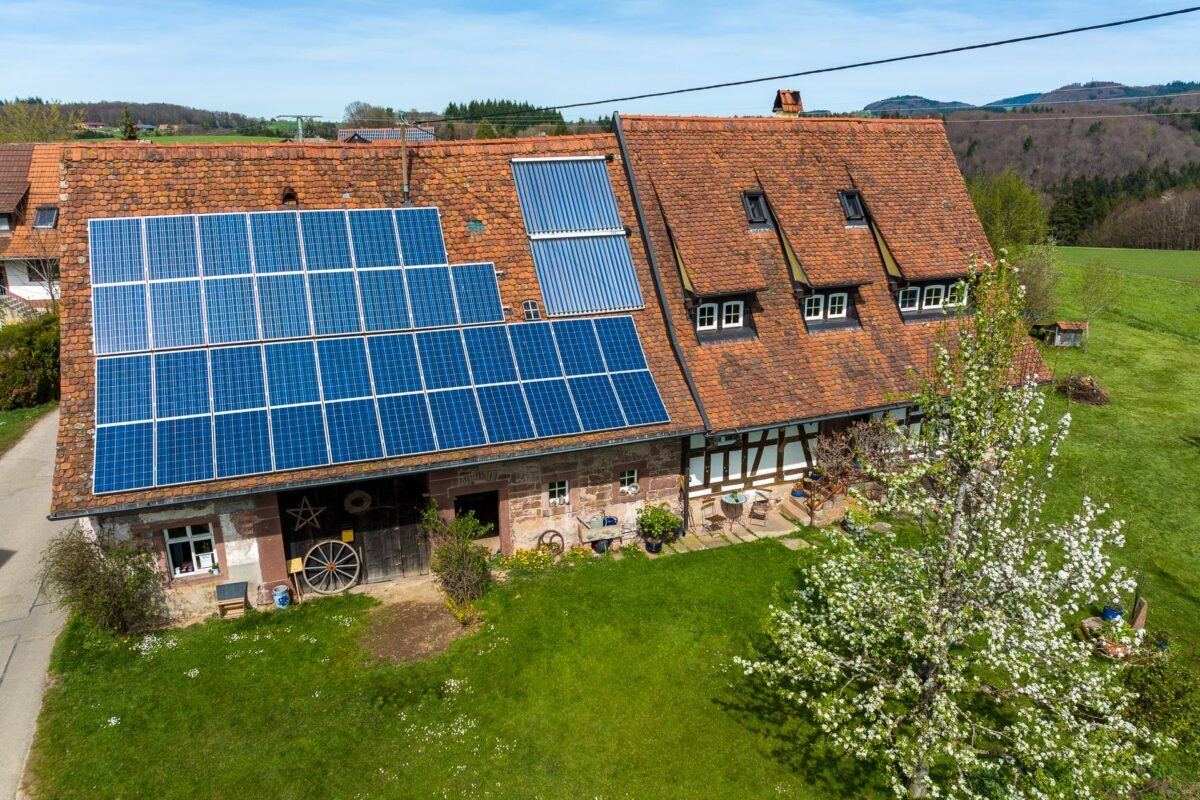
Opposite his home stands another small house with one big difference: past the clothes hanging on the clothesline lies a small array of solar panels.
Another home across the road boasts an even larger installation, showing how some in the village are seeking to move away from dependence on the grid.
Since the United States and Israel attacked Iran in February, fuel shipments from the Gulf have slowed.
Nalio said the subsequent global energy squeeze had led villagers to consider switching to renewables.
A basic solar power system costs around FJ$3,000, a higher upfront cost but an increasingly reasonable price to pay for theoretically unlimited, free electricity.
Source link