This article has been reviewed according to Science X's editorial process and policies. Editors have highlighted the following attributes while ensuring the content's credibility:
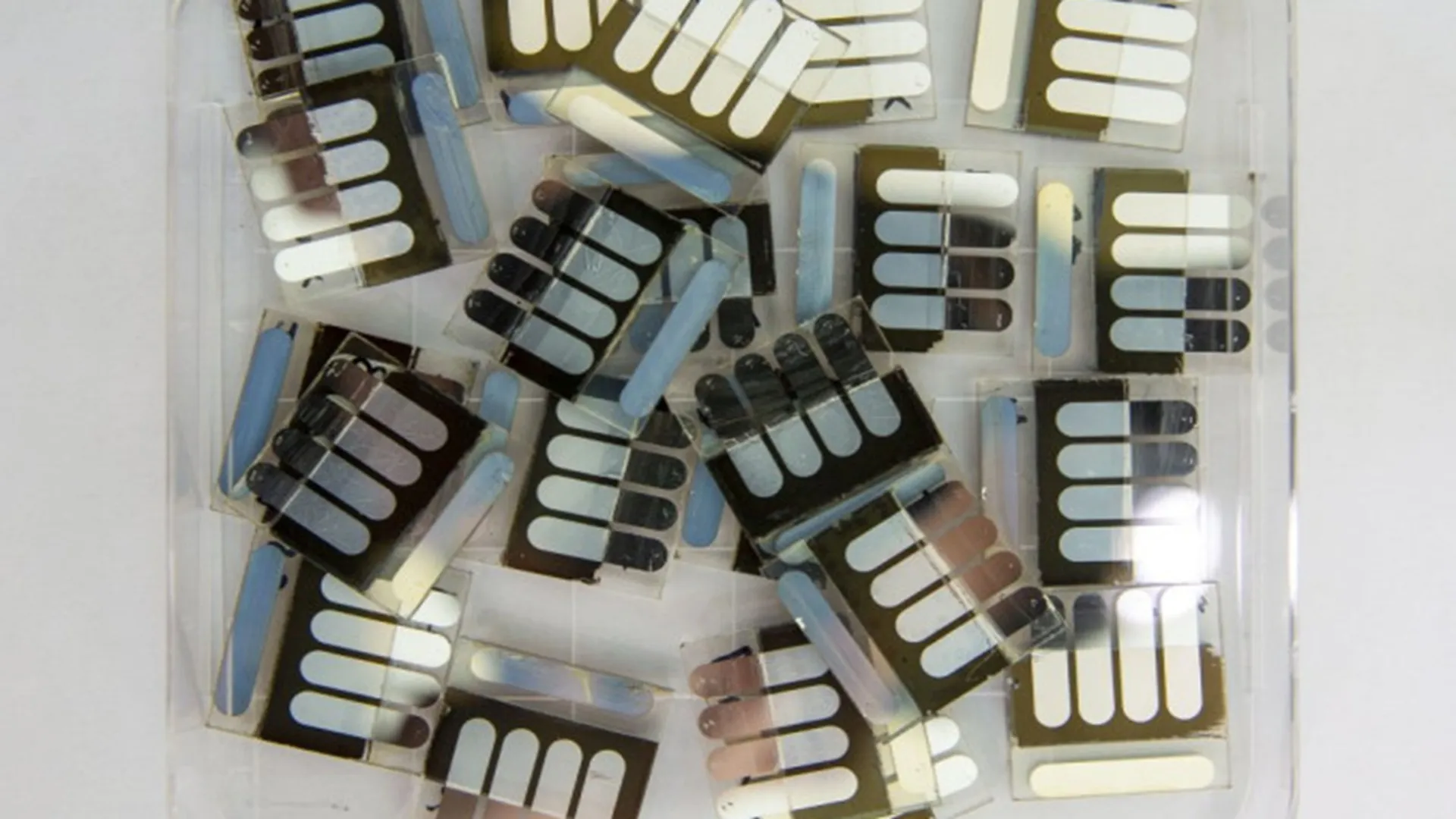
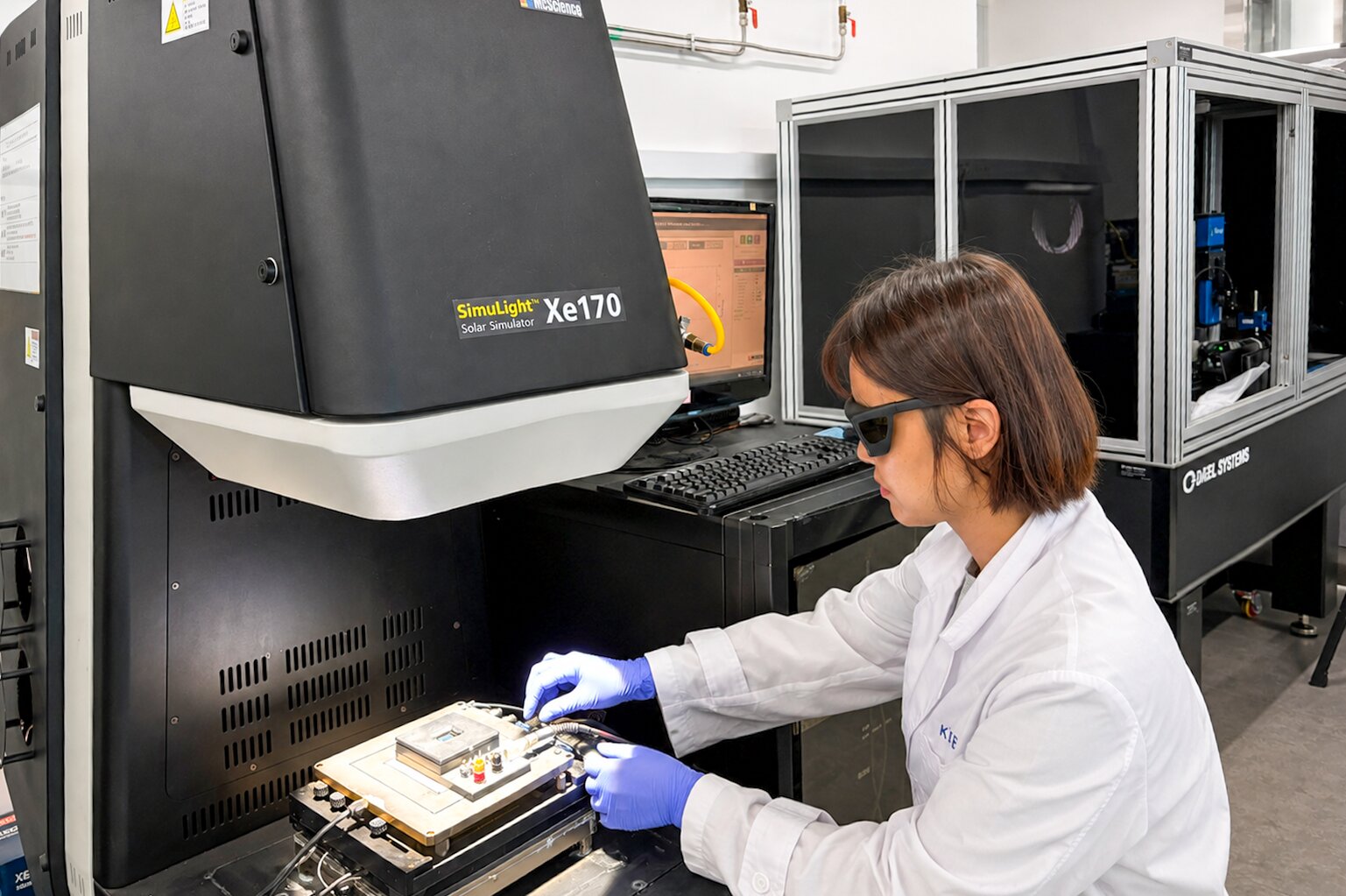
The Photovoltaic Research Department of the Korea Institute of Energy Research (KIER) has developed a catalytic process that extends the lifespan of perovskite solar cells. The findings were published in Advanced Science.
This technology is designed to eliminate lithium salts, which contribute to the shortened lifespan of perovskite solar cells, and thus will promote the commercialization of perovskite-based tandem solar cells.
Perovskite is a promising material for next-generation solar cells that has the same crystal structure as calcium titanate (CaTiO₃) and absorbs light efficiently. It is often used as a material for the top subcell of tandem solar cells.
In tandem solar cells, different subcells are stacked to maximize absorption efficiency. Perovskite solar cells are divided into regular and inverted architectures according to the stacking order of their constituent layers.
The regular architecture has matured over many years as a single-junction device technology and has achieved high efficiency; however, device lifespan is often shortened under high-temperature and high-humidity conditions.
Perovskite solar cells include a hole-transport layer that allows the generated electricity to flow out of the cell. In the regular architecture, lithium salts and additives that enhance their solubility are added to the hole-transport layer to improve charge transport efficiency.
The challenge is that these additives are prone to evaporation under the actual operating conditions of these devices, including elevated temperatures and high humidity, which causes the formation of undesired gaps between the constituent layers of solar cells.
Source link