Researchers led by the University of Glasgow in Scotland have developed a laser-induced delamination method for recycling aged crystalline silicon solar modules. The process separates the ethylene-vinyl acetate (EVA) encapsulant from the silicon cells, producing cleaner material streams for the subsequent selective recovery of silver and aluminum.
“End-of-life crystalline-silicon photovoltaic modules remain difficult to recycle because EVA adheres strongly to cell interfaces, and dominant routes rely on shredding or bulk thermal treatment, generating mixed fractions,” the researchers said. “This study demonstrates that laser-induced delamination provides a selective, dry pathway for removing EVA from aged c-Si PV laminates by targeting the EVA–Si interface, thus reducing the intermixing of materials.”
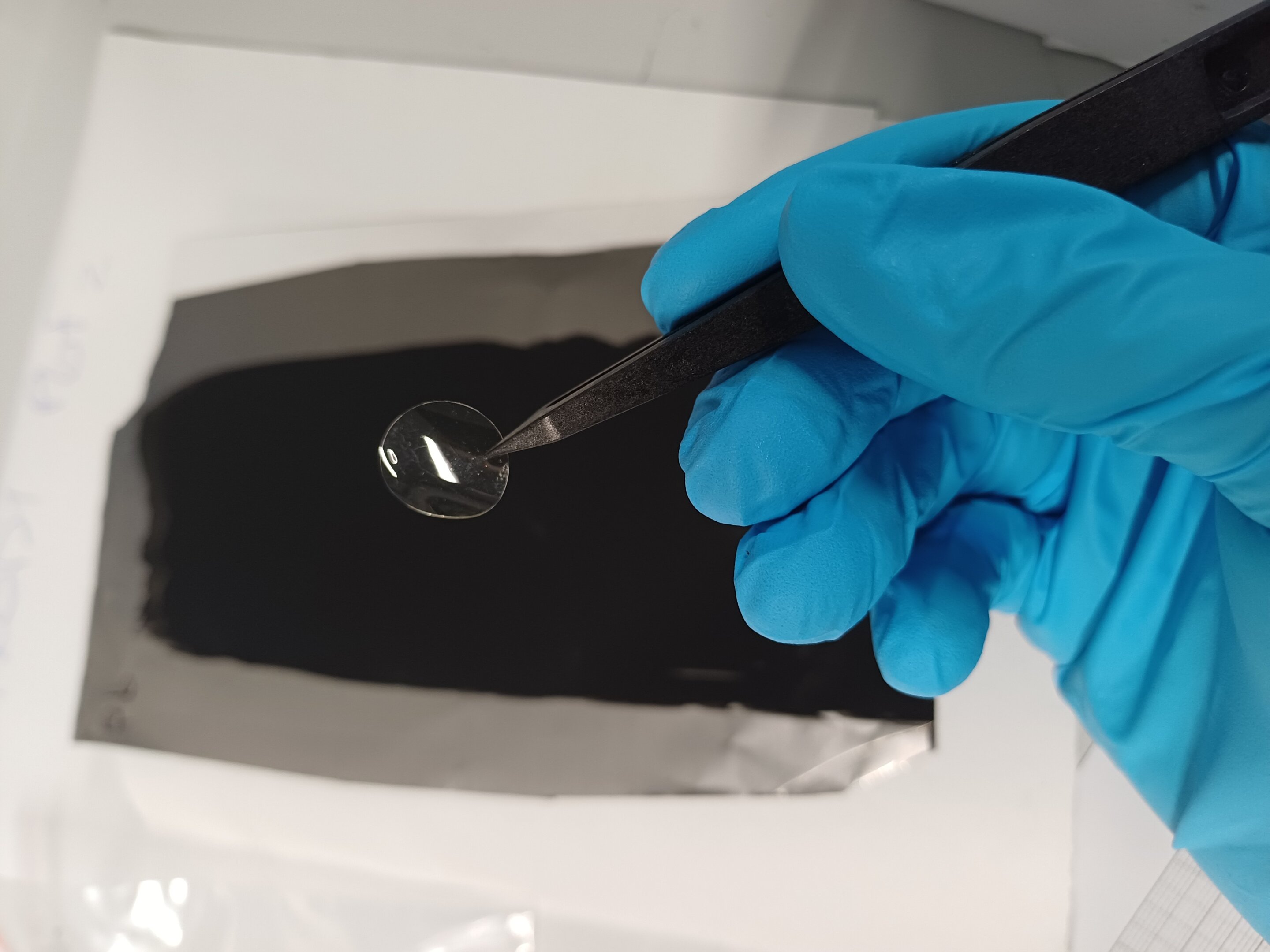
The researchers combined hot-knife glass removal with laser-induced delamination to separate aged PV laminates into three material streams: largely intact EVA films containing trace metal residues, isolated busbars, and silicon-rich cell powder. They tested two types of modules aged approximately 10 to 13 years, using a 1,064 nm fiber laser to target the EVA-silicon interface.
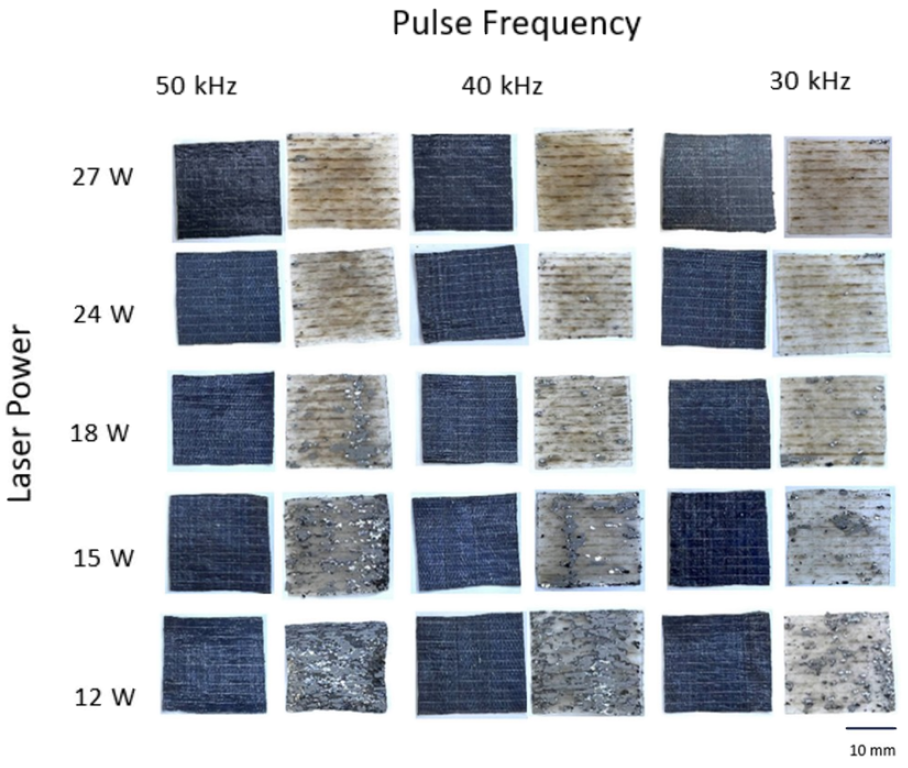
The experiments involved laser powers ranging from 9 W to 27 W at pulse frequencies of 30 kHz, 40 kHz, and 50 kHz on 20 mm × 20 mm samples, with additional tests conducted on larger specimens.
The researchers subjected the resulting powder to sequential leaching with 1 M sodium hydroxide to remove aluminum, followed by an iron(III) chloride-choline chloride brine to extract silver, leaving crystalline silicon. They compared the extraction results with a nitric acid benchmark and assessed the separation process using sample weighing, microscopy, spectroscopy, thermal analysis, and X-ray diffraction.
Source link